français
 Deutsch
 русский
 italiano
 español
 português
 Nederlands
 العربية
 日本語
日本語 한국의
한국의 Türkçe
 Polski
 Tiếng Việt
 slovenský
 Indonesia



How to Select a Hydraulic Hose Protection Sleeve by Temperature, Abrasion, and Installation
Selecting the right hydraulic hose protection sleeve is not only a matter of size. The correct choice depends on three practical factors: operating temperature, abrasion severity, and installation method. A sleeve that performs well in a moderate abrasion environment may fail quickly in a high-temperature zone. Likewise, a high-performance sleeve may still be the wrong choice if it cannot be installed efficiently on an existing hose assembly.
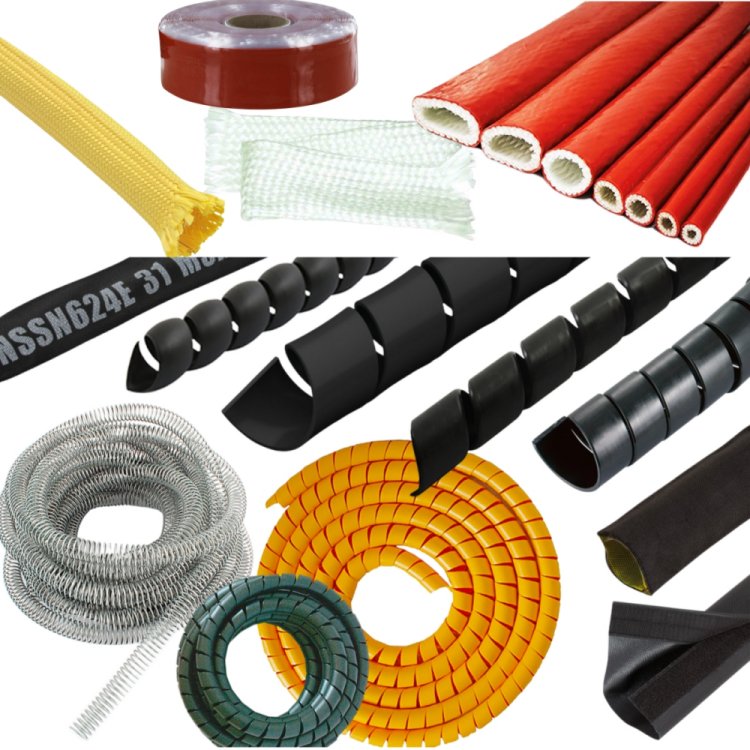
BSTFLEX’s hydraulic hose protection range includes polypropylene, polyester, aramid, silicone-coated fiberglass, ballistic nylon, and stainless steel protector options, each aimed at different conditions such as general abrasion, severe wear, flame exposure, easy retrofit installation, or bend-point reinforcement. That product mix is visible on the hydraulic hose protection category page, which lists dedicated options for abrasion, heat, wrap-around installation, and spring-guard mechanical protection.
Selection Logic at a Glance
Start with the main risk. If abrasion is the dominant problem, choose a textile abrasion sleeve such as polyester protective sleeve, nylon sleeve hose guard, braided aramid sleeve, or ballistic nylon hose wrap sleeve. If heat or flame is the main issue, choose high temperature knit fire sleeve or Velcro silicone fiberglass hose sleeve. If routing damage is concentrated at bends or near fittings, stainless steel spring guard hose protector is often the better answer.
1. Select by Temperature
Temperature is the first filter because not every sleeve material is built for hot zones. The category page describes the range as covering abrasion, heat, and flame exposure, and the listed products confirm that some options are clearly intended for thermal protection while others are mainly abrasion-focused.
Low to Moderate Temperature Environments
For applications where heat is not the main risk, abrasion-focused sleeves are generally the better choice. Options such as Hydraulic Hose Protection Polyester Protective Sleeve and Nylon Sleeve Hose Guard are suitable when the main goal is to reduce hose cover wear in construction, agriculture, automotive, and manufacturing environments rather than provide high-temperature shielding. The polyester sleeve is explicitly described on the category page as lightweight and flexible with abrasion and chemical resistance, while the nylon product is positioned as a hose guard solution under the same hydraulic protection family.
High Temperature and Flame Exposure
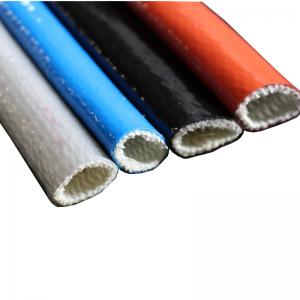
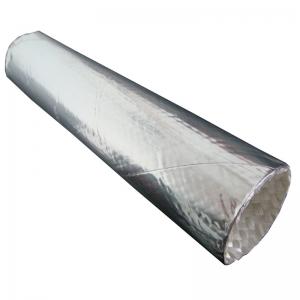
When hoses are routed near exhaust zones, furnaces, steel processing lines, or hot industrial equipment, standard abrasion sleeves are not enough. The category page lists High Temperature Protection Knit Fire Sleeve for Hydraulic Hose as providing thermal insulation and flame protection, with continuous protection up to 260°C and intermittent flame resistance up to 1650°C. It also lists Velcro Silicone Fiberglass Hose Sleeve as a thermal protection sleeve rated up to 500°F / 260°C with easy-install Velcro closure. Those products should be prioritized when temperature or intermittent flame is part of the operating condition.
Combined Heat and Mechanical Stress
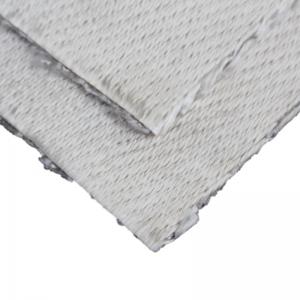
Some applications need both temperature resistance and stronger wear durability. For that situation, Kevlar Ceramic Fiber Hose Protection Sleeve is the most relevant option in the range because it is presented as a sleeve designed for extreme heat, abrasion resistance, and fire protection in industrial and high-temperature environments.
2. Select by Abrasion Level
After temperature, the next question is how severe the abrasion really is. The category page groups multiple products around abrasion protection, but they do not all serve the same wear level. Some are better for general surface protection, while others are better for extreme contact, repeated rubbing, or aggressive routing conditions.
General Abrasion Protection
For standard hose routing and everyday wear control, Polypropylene Hose Protective Sleeve and Hydraulic Hose Protection Polyester Protective Sleeve are appropriate starting points. The polypropylene sleeve is described as durable, lightweight, flexible, and suitable for abrasion resistance, hose bundling, and hydraulic line protection. The polyester sleeve is described as extending hose lifespan in demanding environments while remaining lightweight and flexible.
Heavy Abrasion and Continuous Contact
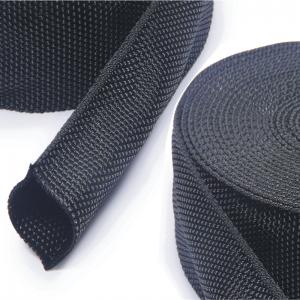
Where the hose is exposed to constant movement, vibration, and repeated contact with hard surfaces, a stronger sleeve is needed. The category page identifies Braided Aramid Sleeve as a high-strength sleeving designed to protect hydraulic hoses from abrasion and mechanical wear in demanding industrial environments. For a similar heavy-duty direction with wrap-around installation, Ballistic Nylon Hose Wrap Sleeve is described as offering outstanding abrasion resistance and durability for heavy-duty use.
Localized Routing Damage at Bend Points
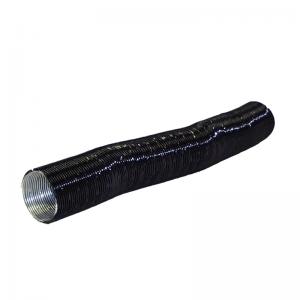
If the hose is failing at one bend zone, near a clamp, or where the routing path crushes or kinks the line, abrasion sleeve alone may not be enough. In that case, Stainless Steel Spring Guard Hose Protector is often the better choice because it is specifically described as protecting against kinking, crushing, abrasion, and repeated contact while reinforcing vulnerable bend areas.
3. Select by Installation Method
Installation method is often overlooked, but it strongly affects what sleeve is practical. A product may look technically correct on paper yet be the wrong choice if it cannot be installed without disconnecting a finished hose assembly. The hydraulic hose protection range includes both slip-on and wrap-around styles, which allows buyers to select by assembly stage.
Slip-On Sleeves for New Assembly or Planned Installation
Slip-on styles are generally preferred when hose assemblies are being built new or when the fittings are not yet installed. Products such as polypropylene hose protective sleeve, polyester protective sleeve, and braided aramid sleeve fit this installation logic and are suitable when the sleeve can be applied before the hose is fully installed.
Wrap-Around or Velcro Styles for Retrofit Work
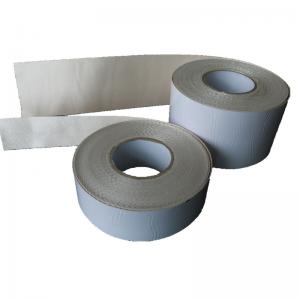
For maintenance, retrofit, or field-service jobs where fittings are already attached, wrap-around installation is usually the correct choice. The category page specifically presents Ballistic Nylon Hose Wrap Sleeve with Velcro closure for easy installation and removal, and it presents Velcro Silicone Fiberglass Hose Sleeve as an easy-install thermal protection solution with integrated Velcro fastening. These products are the better match when the goal is to add protection without disassembling the hose.
Mechanical Guarding Near Fittings
In some cases, the installation need is not about covering the full hose length but about guarding one high-risk area near a bend or fitting. That is where stainless steel spring guard hose protector becomes the practical installation choice. It is applied as a reinforcing guard around the hose exterior rather than as a full-length textile sleeve.
Comparison Table: Select by Temperature, Abrasion, and Installation
| Product | Best Temperature Range Use | Abrasion Level | Installation Method |
|---|---|---|---|
| Polypropylene Hose Protective Sleeve | Low to moderate temperature | General abrasion | Slip-on |
| Polyester Protective Sleeve | Low to moderate temperature | General to medium abrasion | Slip-on |
| Braided Aramid Sleeve | Moderate temperature | Heavy abrasion | Slip-on |
| Kevlar Ceramic Fiber Hose Protection Sleeve | High temperature | High abrasion | Slip-on |
| Knit Fire Sleeve for Hydraulic Hose | High temperature and flame exposure | Medium abrasion with thermal focus | Slip-on |
| Velcro Silicone Fiberglass Hose Sleeve | High temperature | Medium abrasion with thermal focus | Velcro wrap-around |
| Ballistic Nylon Hose Wrap Sleeve | Low to moderate temperature | Heavy abrasion | Velcro wrap-around |
| Stainless Steel Spring Guard Hose Protector | Mechanical protection focus | Localized abrasion and routing damage | Guard installation over hose OD |
Practical Buying Advice
If the application is mainly about everyday abrasion, start with polyester, polypropylene, or nylon protection. If the hose runs through a severe wear zone, move up to aramid or ballistic nylon. If temperature and flame are involved, choose knit fire sleeve or silicone-coated fiberglass. If the sleeve must be installed on an existing hose without removing fittings, prioritize Velcro or wrap-around designs. If the hose is being damaged at bend points, add spring guard rather than relying only on textile cover. These distinctions align with how the BSTFLEX hydraulic hose protection range is presented and described on the category page.
Explore the Full Hydraulic Hose Protection Range
Review all abrasion, heat, flame, wrap-around, and spring-guard products here:
Hydraulic Hose Protection Category
For a more accurate recommendation, send your hose outside diameter, temperature conditions, abrasion source, and installation constraints through Contact Us.