Anhui Parker New Material Co.,Ltd
ISO9001      IATF16949

insulation blanket manufacturer
News
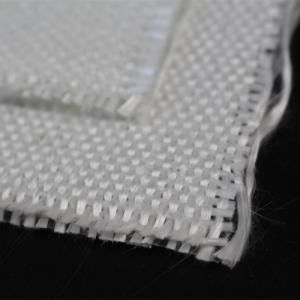
  • Need a Chemical & Heat Resistant Tape? Discover Our Woven Fiberglass Tape Solution.
    Need a Chemical & Heat Resistant Tape? Discover Our Woven Fiberglass Tape Solution. Sep 29, 2025
    In the demanding world of industrial maintenance, processing, and manufacturing, the failure of a single component can lead to costly downtime, safety hazards, and compromised product quality. When your application involves exposure to aggressive chemicals, extreme temperatures, or a combination of both, ordinary tapes simply won't suffice. They degrade, melt, lose adhesion, or become brittle, creating more problems than they solve. If you're searching for a sealing, wrapping, or insulating solution that can withstand your most strenuous environments, your search ends here. Our woven fiberglass tape is engineered to be the definitive answer where others fall short. Where Performance is Non-Negotiable: The Dual Defense of Our Fiberglass Tape Our solution stands apart because it is built from the ground up to provide a dual defense mechanism against the two most common and destructive forces in industrial settings: thermal stress and chemical corrosion. 1. Unmatched Thermal Resilience, Up to 1000°F (540°C): At the core of our tape is a fabric woven from high-quality, continuous filament fiberglass yarns. This inorganic material is inherently non-flammable and designed to perform consistently in continuous temperatures up to 1000°F (538°C). Unlike organic materials that char or plastic-based products that melt, our fiberglass tape maintains its structural integrity. This makes it an indispensable component for: High-Temperature Sealing: Creating compression seals for industrial ovens, furnaces, boiler doors, and wood stoves, preventing heat loss and improving energy efficiency. Thermal Insulation Wrapping: Effectively containing heat and protecting sensitive components such as hoses, cables, and hydraulic lines in high-temperature zones. It also serves as a critical safety layer, protecting workers from accidental contact with hot surfaces. Critical Heat Containment: Used in pollution control equipment, coke ovens, and around crucibles, where reliable thermal management is essential for both process efficiency and operational safety. 2. Superior Resistance to a Wide Range of Chemicals: The challenges in your facility don't stop at heat. Exposure to acids, alkalis, solvents, and bleaches can rapidly deteriorate inferior materials. Our woven fiberglass tape is engineered to resist this chemical assault. It demonstrates excellent stability when exposed to most common industrial chemicals, ensuring that its performance does not degrade over time. This chemical inertness is crucial for applications in: Chemical Processing Plants: Where splashes or fumes are common. Metal Treatment Facilities: Involving acidic or alkaline cleaning baths. General Maintenance: Where equipment may be cleaned with aggressive solvents or bleaches. This robust chemical resistance ensures that the tape will not break down, swell, or lose its protective properties, providing long-term reliability and reducing replacement frequency. Beyond Core P...
    read more
  • Exhaust Heat Blanket vs. Traditional Exhaust Wrap: An Honest Performance Comparison
    Exhaust Heat Blanket vs. Traditional Exhaust Wrap: An Honest Performance Comparison Sep 23, 2025
    When it comes to managing under-hood heat, two solutions dominate the conversation: the modern, pre-formed exhaust heat blanket and the classic, versatile traditional exhaust wrap. If you're weighing performance gains alone, the choice isn't as simple as it seems. Both contain radiant heat, but they achieve this goal in very different ways, with significant trade-offs. This isn't about declaring one the outright winner, but about matching the right product to your specific project, budget, and performance goals. Let's dive into a detailed comparison. Head-to-Head: The Key Differences at a Glance Feature Exhaust Heat Blanket Traditional Wrap (e.g., Fiberglass Tape) Design & Form Pre-fabricated, multi-layer sleeve. Custom-molded for specific components. A flexible tape or sheet that is wound tightly around the component. Ease of Installation Easier. Typically uses straps or laces for a quick, precise fit. More Labor-Intensive. Requires meticulous wrapping and securing with metal ties. Thermal Performance Superior Containment. Often features an inner reflective layer and thicker insulation for maximum heat retention. Good Containment. Effective at trapping heat, but can have inconsistencies in wrap tightness affecting performance. Durability & Longevity Generally Higher. Resistant to oils, fluids, and physical abrasion. Stays clean. Can Be Vulnerable. Soaks up fluids, which can lead to accelerated wear and corrosion underneath if not perfectly applied. Component Health Safer for Headers. Allows heat to dissipate more evenly, reducing the risk of header cracking from thermal stress. Risk of Moisture Trapping. If moisture gets trapped under the wrap, it can accelerate corrosion on the metal underneath. Cost Higher Initial Cost. A premium, component-specific solution. Lower Initial Cost. An economical choice for complex or custom exhaust systems. Deep Dive: Performance, Pros, and Cons Exhaust Heat Blanket: The Precision Engineer's Choice Performance Advantage: The primary performance benefit of a heat blanket is its optimized and consistent insulation. Because it's engineered for a specific part (like a set of headers or a turbo), it can provide a uniform layer of insulation with minimal gaps. This leads to highly efficient heat containment, maximizing exhaust gas velocity and minimizing under-hood temperatures (IATs). The result is very predictable and repeatable performance gains. Pros: Easiest Installation: Slip it on, secure it, and you're done. Ideal for enthusiasts who value a clean, professional look without the hassle. Maximized Durability: Constructed to withstand the harsh engine bay environment, including exposure to chemicals. Superior Safety: By not trapping directly against the metal as tightly, it reduces the risk of heat-related metal fatigue and corrosion. Cons: Higher Cost: You pay for the convenience and engineering. Less Universal ...
    read more
  • Why use stainless steel spring hose guard for hydraulic hose?
    Why use stainless steel spring hose guard for hydraulic hose? Sep 14, 2025
    Using a stainless steel spring hose guard (also known as a spring guard or coil guard) for a hydraulic hose is a protective measure to significantly extend the hose's life and enhance safety in challenging environments. Here’s a detailed breakdown of why they are used: 1. Abrasion Resistance (The Primary Reason) This is the most common and critical purpose. Hydraulic hoses are often routed near or against other components like frames, other hoses, brackets, or moving parts. The Problem: Constant rubbing (chafing) wears away the hose's tough outer cover. Once this cover is compromised, the reinforcing wire braid is exposed and can quickly fail, leading to a burst hose. The Solution: The stainless steel spring acts as a sacrificial shield. It takes the abrasive wear instead of the hose itself. The hard, smooth surface of the steel spring deflects abrasion, protecting the vulnerable rubber and wire beneath. 2. Crush and Pinch Protection Hoses can get pinched between mechanical parts (e.g., between a cylinder and its mount) or crushed by heavy objects during operation or maintenance. The Problem: A sharp pinch or crush can kink or flatten the hose, blocking flow and creating a stress point that will eventually fail. The Solution: The rigid coil structure of the spring guard provides a strong, circular cage around the hose. It distributes the crushing force and prevents the hose from being deformed beyond its limits, maintaining the open flow path. 3. Heat Shield Hydraulic systems generate significant heat, and hoses are often routed near hot components like manifolds, valves, or exhaust systems. The Problem: Excessive heat accelerates the aging of the rubber compounds in the hose, making them brittle and leading to cracks and failures. The Solution: The stainless steel spring creates an air gap between the hot surface and the hose, acting as a heat sink and radiant heat shield. This lowers the temperature the hose is exposed to, prolonging its life. 4. Enhanced Safety A burst hydraulic hose is extremely dangerous. Hydraulic fluid can be injected into the skin (a serious medical emergency), and the high-pressure spray can cause injuries or ignite a fire if it hits a hot surface. The Solution: While not designed to contain a full high-pressure burst, a spring guard can contain the initial whip of a failing hose and mitigate the spray, providing a crucial layer of operator safety. It acts as a first line of defense. 5. Chemical and Environmental Protection The hose's outer cover can be degraded by exposure to chemicals, solvents, saltwater, or extreme weather (UV rays, ozone). The Solution: The stainless steel (typically 304 or 316 for high corrosion resistance) guard provides a physical barrier against these environmental and chemical attacks. 6. Cost-Effectiveness and Downtime Reduction The Problem: Frequent hose failures lead to high replacement costs and, more impor...
    read more
  • What is the purpose of nylon protective sleeve?
    What is the purpose of nylon protective sleeve? Sep 09, 2025
    The purpose of a nylon protective sleeve is to act as a durable, flexible shield for wires, cables, hoses, and tubes, protecting them from damage, wear, and tear in demanding environments. They are a form of "mechanical armor" for vulnerable components. Here are the specific purposes and benefits, broken down into key areas: 1. Abrasion Resistance This is the primary purpose. Nylon is an extremely tough material that resists scraping, rubbing, and chafing. Example: Protecting hydraulic hoses on construction equipment (e.g., excavators) from rubbing against the metal frame or being dragged across rough ground. 2. Cut and Crush Protection The braided structure of the sleeve distributes impact and pressure, helping to prevent cuts from sharp edges and damage from being pinched or crushed. Example: Guarding wiring looms in automotive engine bays against accidental contact with sharp brackets or tools during maintenance. 3. Heat Resistance Nylon sleeves can withstand continuous exposure to high temperatures (typically up to 257°F / 125°C, with some variants going higher). They protect what's inside from radiant heat and prevent melting or degradation. Example: Shielding cables and hoses near a car's exhaust manifold or engine block. 4. Chemical and Fluid Resistance Nylon is resistant to many oils, greases, fuels, and coolants. This prevents these fluids from degrading the components inside the sleeve. Example: Protecting cables in a manufacturing plant where they are frequently exposed to lubricants or hydraulic fluid. 5. Flexibility and Lightweight Unlike metal conduit or armor, nylon braided sleeving is highly flexible and adds very little weight. This allows for easy routing in tight spaces and doesn't restrict the movement of machinery. Example: Organizing and protecting wires on a robotic arm that requires a full range of motion. 6. Organization and Aesthetics Sleeving is excellent for bundling loose wires and hoses into a single, neat, and manageable loom. This improves airflow, simplifies installation and maintenance, and gives a clean, professional appearance. Example: Managing the numerous cables inside a server rack or a custom gaming PC. 7. Environmental Protection While not fully waterproof, sleeves provide a barrier against dust, dirt, mud, and other contaminants. Some versions can be used with an inner liner for more sealed protection. Common Applications: Automotive & Marine: Engine bays, wiring harnesses, battery cables, fuel lines. Aerospace: Wiring bundles in aircraft and spacecraft. Industrial Machinery: Protecting hoses and cables on CNC machines, robots, and assembly lines. Construction & Agriculture: Heavy equipment like excavators, tractors, and bulldozers. Electronics: Cable management in data centers, audio/visual systems, and power tools.
    read more
  • What is vermiculire coated fiberglass tape? What is it used for?
    What is vermiculire coated fiberglass tape? What is it used for? Sep 01, 2025
    Vermiculite Coated Fiberglass Tape: Technical Product Overview Our vermiculite coated fiberglass tape is engineered for high-performance thermal and electrical insulation. It is constructed from carefully woven and sized fiberglass yarns, which are then coated with a layer of vermiculite. This combination results in a strong, flexible, and highly resilient tape designed to withstand extreme environments. Key Features & Benefits: Exceptional Thermal Resistance: Reliably operates in continuous temperatures up to 1500°F (816°C), providing superior protection in high-heat applications. High Strength & Flexibility: The woven fiberglass core provides excellent tensile strength and durability, allowing for easy conformability to pipes, ducts, and irregular surfaces without tearing. Chemical Resistance: Resistant to most chemicals, ensuring long-term integrity and performance in corrosive industrial environments. Excellent Insulating Properties: Offers effective electrical insulation as well as thermal insulation, making it a versatile solution for multiple needs. Primary Applications: Thermal Insulation Wrap: Ideal for lagging and wrapping pipes, boilers, and industrial equipment to conserve energy and protect personnel. Pipe Insulation: Secures and protects insulation blankets on pipes and ductwork in high-temperature settings. Electrical Insulation: Provides a protective, insulating layer for electrical components and wiring in demanding conditions. General Purpose High-Temp Lagging: A versatile solution for sealing, wrapping, and insulating a wide range of equipment where heat and chemical resistance are critical. This vermiculire coated fiberglass tape is an essential component for maintenance, repair, and operations (MRO) in industries such as manufacturing, power generation, petrochemical, and shipbuilding.
    read more
first page 1 ... 12 13 14 15 16 ... 76 last page
[  a total of  76  pages]
leave a message

leave a message

    If you have questions or suggestions, please leave us a message,we will reply you as soon as we can!

Home

Products

About

Contact

top