Anhui Parker New Material Co.,Ltd
ISO9001      IATF16949

insulation blanket manufacturer
News
  • What is Nylon Abrasion Protection Sleeve? What is it used for?
    What is Nylon Abrasion Protection Sleeve? What is it used for? Aug 24, 2025
    What is a Nylon Abrasion Protection Sleeve? A Nylon Abrasion Protection Sleeve is a flexible, tubular sheath engineered from high-strength, durable nylon fabric. It is designed to be slipped over wires, hoses, cables, and tubing to shield them from wear and tear in demanding environments. Its key characteristics include: Material: Typically made from woven nylon, often with a protective coating or impregnated with substances like vinyl or PVC for enhanced resistance. Flexibility: Despite its durability, it remains highly flexible, allowing it to conform to bends and movements without kinking or restricting the component inside. Abrasion Resistance: The primary function is to provide a sacrificial layer that absorbs friction from rubbing against other parts, sharp edges, or contaminants. Lightweight & Low Profile: Adds minimal weight and bulk, making it ideal for applications where space is limited. Environmental Resistance: Many sleeves offer additional resistance to oil, chemicals, moisture, and high temperatures. What is it used for? (Applications) The Nylon Abrasion Sleeve is a critical component for preserving the integrity and longevity of vital systems across numerous industries. Its main purpose is to prevent failure by protecting against abrasion. Common applications include: Automotive & Aerospace: Bundling and protecting wiring harnesses, fuel lines, brake hoses, and hydraulic lines from chafing against the chassis, body panels, or other components. This is crucial for safety and reliability. Industrial Machinery: Shielding electrical cables, pneumatic hoses, and hydraulic lines on robots, CNC machines, and assembly equipment from continuous wear caused by motion and vibration. Marine and Outdoor Equipment: Protecting components from UV radiation, saltwater corrosion, and general weathering on boats, ATVs, and agricultural machinery. Electronics and Data Centers: Organizing and protecting sensitive fiber optic cables and power cords within server racks from accidental abrasion that could degrade signal quality or cause short circuits. General Maintenance: Used as a simple, cost-effective solution to reinforce a vulnerable hose or cable that is showing signs of wear, preventing the need for a full replacement. In essence, it acts as a protective "armor" for critical components, ensuring operational safety, reducing downtime, and preventing costly repairs by mitigating one of the most common causes of failure: abrasion.
    read more
  • What is silica woven tape? What is the useage of it?
    What is silica woven tape? What is the useage of it? Aug 16, 2025
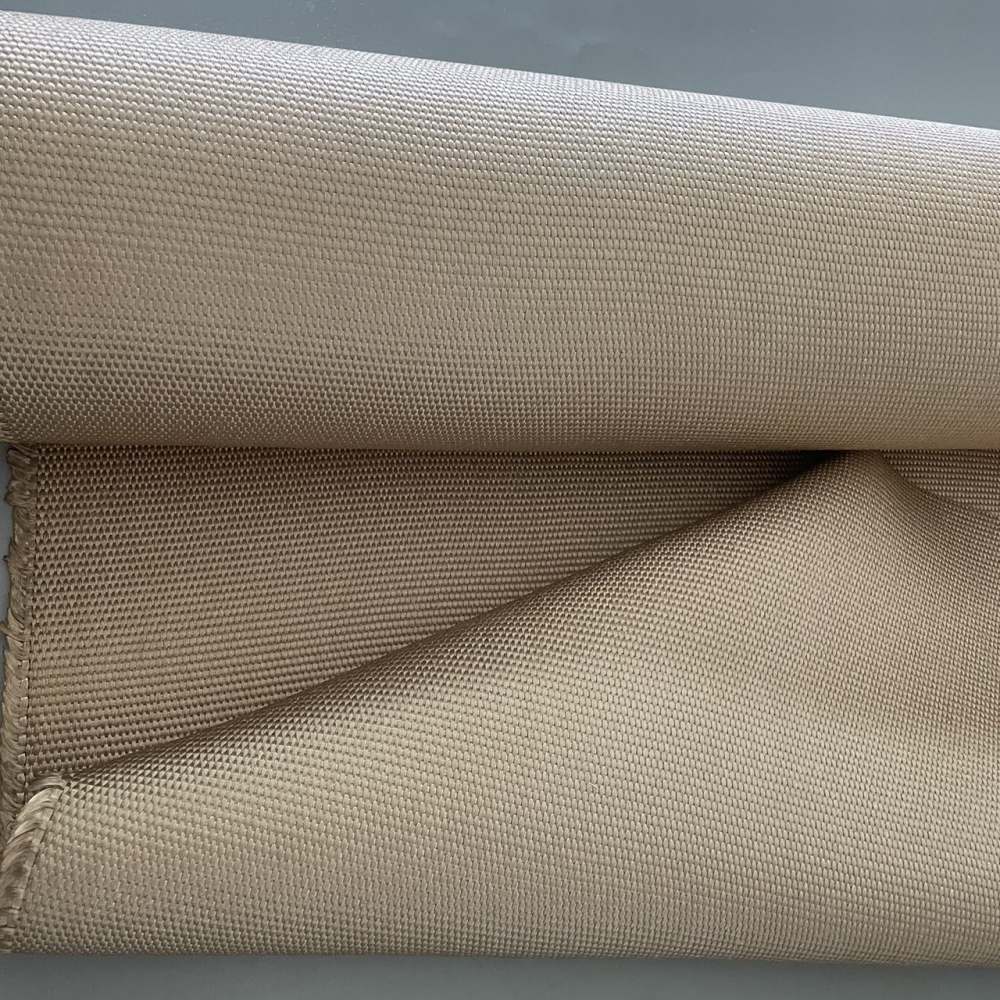
    Silica woven tape is a high-temperature resistant textile made from amorphous silica fibers, typically with a silica content of around 96% or higher. It is woven into a flat, tape-like form that provides flexibility, strength, and durability in extreme heat environments. Because of its low thermal conductivity, excellent thermal shock resistance, and ability to withstand continuous temperatures up to 1000 °C (1832 °F) and even short-term exposure beyond that, silica woven tape is widely used in industries where thermal protection and insulation are critical. Key Features: High heat resistance (continuous up to ~1000 °C, peak higher) Non-combustible and flame-resistant Low thermal conductivity (acts as insulation) Good abrasion resistance Chemically stable and resistant to most solvents and acids Flexible and easy to wrap or apply Main Usages: Thermal Insulation & Heat Shields Wrapping hot pipes, exhaust systems, and ducts in furnaces, power plants, and refineries. Protecting sensitive equipment and nearby components from radiant heat. Sealing & Gasketing Used around doors of furnaces, kilns, ovens, and stoves to form high-temperature seals. Often applied at flanges, expansion joints, and access panels. Cable, Hose & Line Protection Wrapped around electrical cables, hydraulic hoses, or fuel lines to shield them from heat exposure. Welding & Foundry Applications Used as protective wrapping or curtains in welding environments. Serves as insulation barriers in foundries and metal processing. Fire Protection Applied in fire-resistant barriers, blankets, and protective wraps. Enhances fire safety in aerospace, marine, automotive, and industrial systems.
    read more
  • Different between nylon textile sleeve and polyester textile sleeve
    Different between nylon textile sleeve and polyester textile sleeve Aug 14, 2025
    Here’s a clear breakdown of the key differences between a nylon textile sleeve and a polyester textile sleeve, especially in hose and cable protection applications: Property Nylon Textile Sleeve Polyester Textile Sleeve Abrasion Resistance Excellent — nylon’s toughness makes it highly resistant to scuffing, dragging, and impact damage. Often preferred in heavy-duty, high-friction environments. Good, but slightly less abrasion-resistant than nylon. Works well in moderate-duty applications. Water Absorption Higher — nylon can absorb up to 3–4% of its weight in water, which can slightly affect flexibility and weight when wet. Very low — polyester absorbs less than 1% water, keeping it dimensionally stable in wet conditions. UV Resistance Moderate — prolonged sun exposure can degrade nylon faster unless UV-stabilized. Excellent — polyester naturally resists UV degradation better, making it ideal for outdoor use. Chemical Resistance Good — resistant to many oils, fuels, and chemicals, but less resistant to acids. Excellent — better resistance to acids and most solvents, slightly better than nylon in chemical-heavy environments. Operating Temperature Range Typically -40°C to +125°C (-40°F to +257°F). Typically -40°C to +150°C (-40°F to +302°F). Elasticity & Flexibility More elastic — stretches slightly under load, which can be beneficial for absorbing impacts. Less stretch — maintains shape better under constant load. Cost Usually a bit more expensive due to higher raw material cost and performance in abrasion-heavy use. Often more cost-effective while still offering good performance. Best Applications Hydraulic hose protection, mining, forestry, and construction equipment where abrasion is extreme. Agricultural, marine, and outdoor applications where UV, moisture, and chemical resistance are more important. In short: Nylon is the go-to for abrasion-heavy, impact-prone environments. Polyester excels in wet, outdoor, or chemically harsh conditions, especially where UV stability is crucial.
    read more
  • Nylon Protective Sleeve – Complete Guide for Cable, Hose & Wire Protection
    Nylon Protective Sleeve – Complete Guide for Cable, Hose & Wire Protection Aug 12, 2025
    1. What Is a Nylon Protective Sleeve? A nylon protective sleeve is a flexible, abrasion-resistant cover designed to protect hoses, cables, and wires from mechanical wear, UV exposure, chemicals, and environmental damage. These sleeves are commonly made from high-tenacity nylon filaments woven or braided into a tight structure, providing a balance between durability, flexibility, and lightweight performance. Nylon sleeves are widely used in automotive, hydraulic, marine, aerospace, industrial machinery, robotics, and construction applications to extend service life, improve safety, and maintain system reliability. 2. Material Science – Why Nylon Is the Preferred Choice Nylon (polyamide) is a synthetic polymer known for: High abrasion resistance – resists surface wear even under constant friction Good tensile strength – withstands stretching without tearing Lightweight structure – easy to handle and install Resistance to fuels, oils, and chemicals – ideal for industrial and automotive environments Temperature stability – continuous service temperature up to 120°C (248°F), short-term peaks even higher Moisture absorption balance – enough to maintain flexibility without degrading mechanical properties Compared to polyester or polyethylene sleeves, nylon offers superior impact resistance and flexibility at low temperatures. 3. Construction Types Nylon protective sleeves come in several designs: Woven Nylon Sleeve – tightly interlaced structure for maximum abrasion resistance. Braided Nylon Sleeve – expandable, adjusts to fit different diameters. Spiral Wrap Nylon Sleeve – ideal for easy installation over existing cable bundles. Velcro-Closure Nylon Sleeve – reusable and easy to apply without disconnecting systems. 4. Key Benefits Abrasion Protection – shields hoses and cables from rubbing against machinery parts. Bundling & Organization – keeps multiple hoses or wires neatly grouped. Safety Compliance – reduces risk of hose failure and fluid leaks. UV & Weather Resistance – suitable for outdoor or harsh environments. Noise Reduction – dampens vibrations and cable rattling. Extended Equipment Life – minimizes downtime and replacement costs. 5. Real-World Applications Hydraulic Systems – protects hoses in excavators, forklifts, and tractors. Automotive Wiring Harnesses – guards wires from heat and abrasion. Marine Equipment – resists saltwater corrosion and UV damage. Industrial Robotics – prevents cable wear in repetitive motion systems. Aerospace Systems – lightweight protection with strict durability standards. Oil & Gas Pipelines – resists petrochemical exposure and mechanical impact. 6. Installation Tips Choose sleeve size 10–20% larger than the hose or cable diameter. For braided sleeves, compress the sleeve to expand it, then slide over the assembly. Secure ends with heat shrink tubing, cable ties, or clamps. For field maintenance, use Velcro or zipper sleeves for quick replacement. 7. Comparison with Other Protective Sleeves Feature ...
    read more
  • Beyond Insulation: The Structural and Thermal Advantages of Woven Fiberglass Fabric in Industrial Applications
    Beyond Insulation: The Structural and Thermal Advantages of Woven Fiberglass Fabric in Industrial Applications Aug 02, 2025
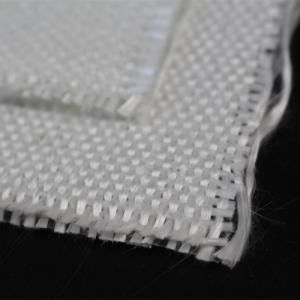
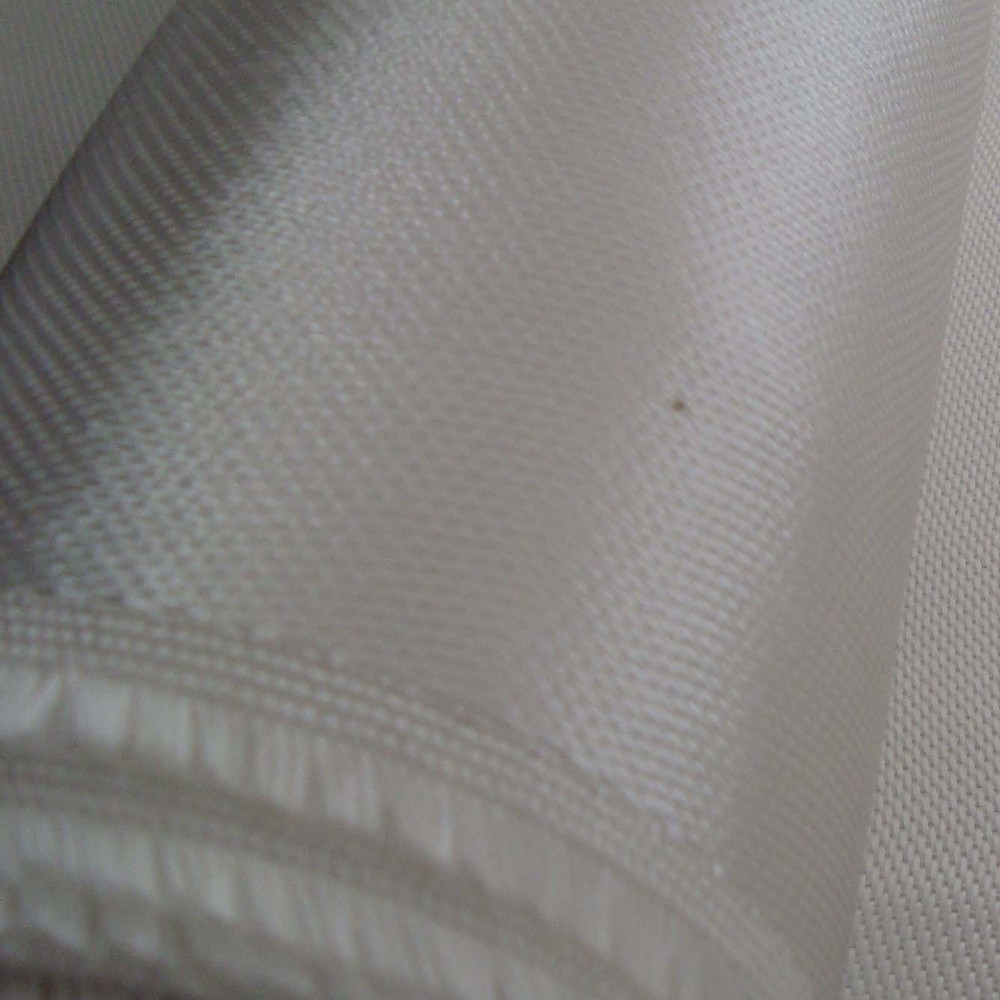
    In demanding industrial environments, where equipment must perform reliably under high temperatures, mechanical stress, and chemical exposure, materials used for thermal protection need to do more than just insulate. Woven fiberglass fabric stands out not only as a high-temperature barrier but also as a structurally durable solution that meets the performance expectations of modern industry. A Dual-Purpose Solution: Thermal and Structural Performance Woven fiberglass fabric is engineered from fine glass filaments that are woven into a strong, flexible textile. Its inherent properties allow it to resist continuous exposure to temperatures up to 1000°F (540°C) or higher, depending on the glass type. But beyond its heat resistance, what truly distinguishes this material is its mechanical resilience—delivering strength, dimensional stability, and surface durability in applications that demand both protection and performance. Mechanical Strength Unlike many insulation materials that degrade under stress, woven fiberglass fabric maintains its structural integrity under mechanical loads. It offers high tensile strength, tear resistance, and low elongation under tension. This makes it suitable for wrapping, covering, and reinforcing industrial components where both heat and movement are factors. Thermal Stability Fiberglass fabric offers consistent insulation performance across a wide temperature range. It resists thermal breakdown, combustion, and shrinkage, even when exposed to open flames or radiant heat. When enhanced with coatings such as silicone, PTFE, or vermiculite, its thermal performance and abrasion resistance are further improved. Industrial Applications That Demand More High-Temperature Pipe Wrapping Used to insulate steam lines, exhaust systems, and thermal piping in power plants, chemical processing facilities, and refineries. The fabric maintains a secure wrap without sagging or tearing under high heat and vibration. Furnace and Boiler Insulation Jackets Woven fiberglass fabric serves as the outer shell of removable insulation blankets and jackets. Its strength helps retain insulation layers and shields operators from radiant heat while remaining flexible for repeated handling. Welding Protection and Heat Shields As welding curtains, drapes, or heat shields, fiberglass fabric resists molten metal splash and grinding sparks. It offers a reliable safety barrier without breaking down during prolonged exposure to elevated temperatures. Expansion Joint Covers and Gasketing In ducts and industrial ventilation systems, woven fiberglass fabric is used to fabricate expansion joints that flex with system movement while resisting heat, chemical vapors, and mechanical fatigue. Foundry and Metallurgy Applications In steel mills and foundries, it protects workers and equipment from direct exposure to extreme temperatures and molten material. Its low thermal conductivity and resistance to slag and metal splash make it indispensable. Built for Harsh Env...
    read more
first page 1 ... 13 14 15 16 17 ... 76 last page
[  a total of  76  pages]
leave a message

leave a message

    If you have questions or suggestions, please leave us a message,we will reply you as soon as we can!

Home

Products

About

Contact

top