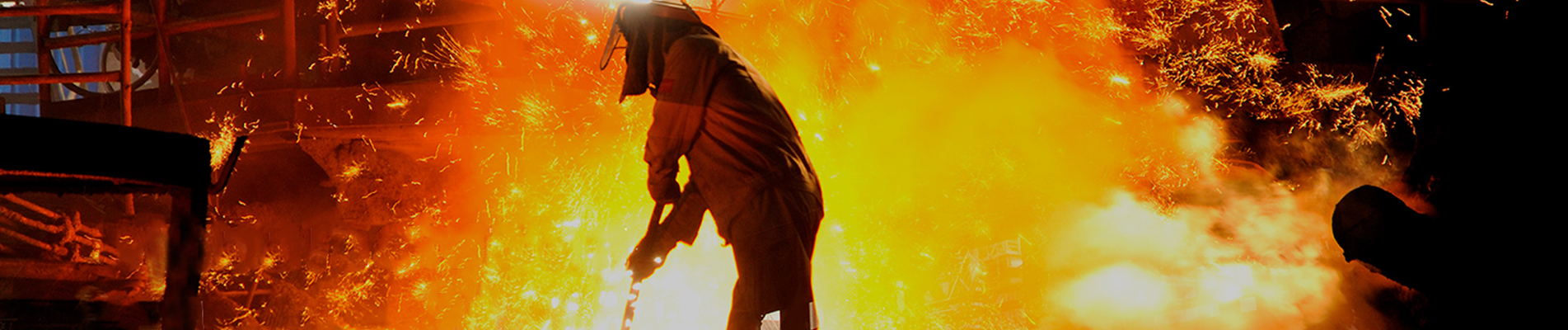
When your projects are pushed to the thermal limit, the margin for error vanishes. In these critical high-temperature environments, the common choice has long been fiberglass. But what if a superior material could not only meet the challenge but redefine your performance expectations? For applications where heat is the primary adversary, Basalt Tape emerges as the definitive engineering solution, outperforming fiberglass in nearly every key metric.
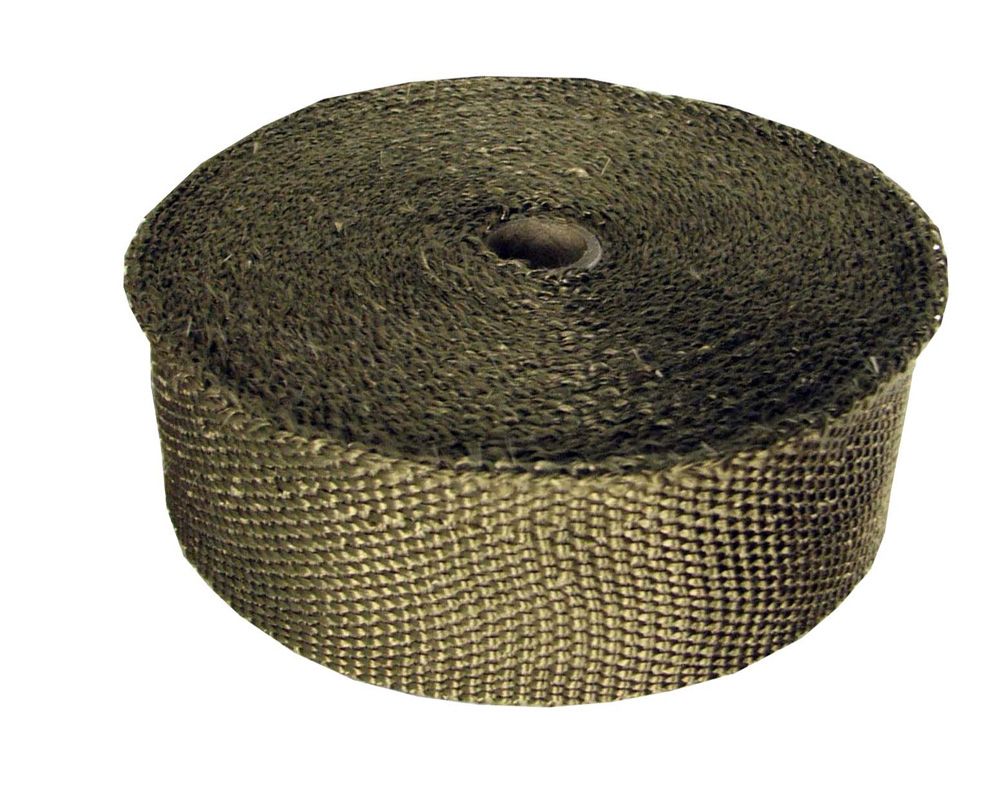
Here’s a detailed comparison of why making the switch is a strategic upgrade:
1. Confronting the Thermal Performance Gap
The most significant differentiator lies in pure heat resistance.
Standard E-Glass Fiberglass typically begins to soften and lose structural integrity around 1000°F - 1100°F (538°C - 593°C). At these temperatures, its binders can burn off, leading to embrittlement and failure.
Basalt Tape, engineered from volcanic rock fiber, operates reliably at continuous temperatures of 1200°F (650°C), with the ability to withstand peak exposures up to a remarkable 2000°F (1095°C).
This isn't a minor improvement; it's a 20% or greater increase in continuous thermal capacity. This critical gap is the difference between a material that survives and one that thrives under extreme duress, ensuring long-term stability and safety in applications like exhaust insulation, furnace curtains, and high-temperature gaskets.
2. Inherent Strength and Durability Beyond Heat
Thermal performance is only part of the story. Basalt fiber is inherently stronger and more durable than its fiberglass counterpart.
Higher Tensile Strength: Basalt filaments deliver a significantly higher strength-to-weight ratio. This means Basalt Tape provides superior resistance to tearing, stretching, and mechanical abuse during and after installation, leading to a longer service life and more reliable performance.
Enhanced Durability: Basalt fiber offers better chemical stability and resistance to abrasion. A Basalt Tape wrap on an exhaust system or as a protective sleeve will maintain its integrity far longer than fiberglass when subjected to vibration, incidental impact, or corrosive atmospheres.
3. A Direct Comparison at a Glance
| Feature | Fiberglass Tape | Basalt Tape |
|---|---|---|
| Continuous Service Temperature | Up to ~1100°F (593°C) | Up to 1382°F (750°C) / 1200°F (650°C)* |
| Peak Temperature | Lower | Up to 2000°F (1095°C) |
| Tensile Strength | Good | Superior |
| Durability & Abrasion Resistance | Standard | Enhanced |
| Material Origin | Processed Silica | Natural Volcanic Rock |
*Note: Different grading (e.g., VR1200) specifies the continuous temperature rating.
4. Knowing When an Upgrade is Non-Negotiable
It's time to seriously consider Basalt Tape over fiberglass when your application involves:
Automotive & Aerospace Exhaust Systems: Where maximizing exhaust gas velocity (scavenging) and protecting sensitive components from radiant heat are paramount.
Industrial Insulation: In furnaces, boilers, and steam lines where temperatures consistently exceed the safe operating window for fiberglass.
Fire Protection Systems: Where material integrity during a fire event is critical for containing flames and preventing catastrophic failure.
High-Performance Composites: When reinforcing laminates that must retain their mechanical properties at elevated temperatures.
Choosing Basalt Tape is not merely a material substitution; it is a performance investment. It closes the safety margin that fiberglass leaves open at extreme temperatures, while simultaneously providing greater mechanical robustness and long-term value.
Stop compromising at the thermal frontier. Engineer with confidence. Specify Basalt Tape.

 français
 Deutsch
 русский
 italiano
 español
 português
 Nederlands
 العربية
 日本語
日本語 한국의
한국의 Türkçe
 Polski
 Tiếng Việt
 slovenský
 Indonesia