Anhui Parker New Material Co.,Ltd
ISO9001      IATF16949

insulation blanket manufacturer

News

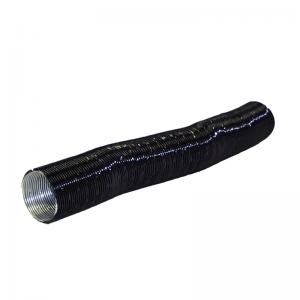
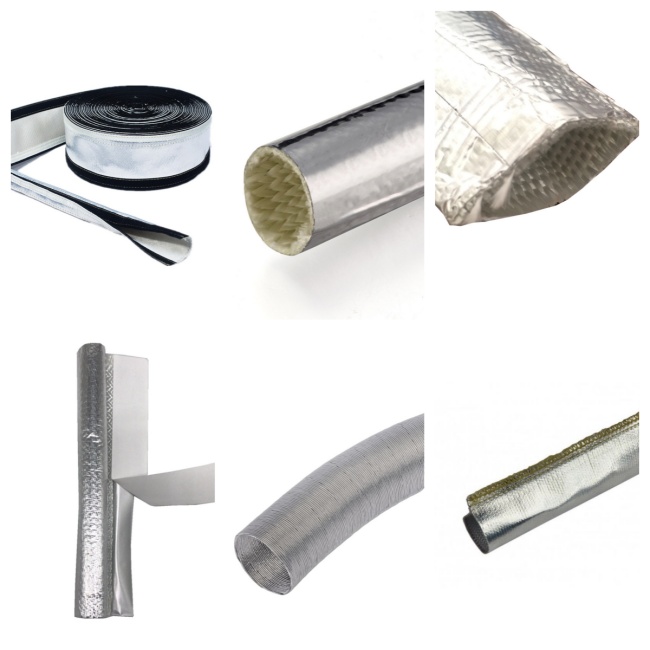
  • Aluminum Foil Heat Reflective Sleeve: High-Temperature Protection and Industrial Performance Guide
    Aluminum Foil Heat Reflective Sleeve: High-Temperature Protection and Industrial Performance Guide Dec 05, 2025
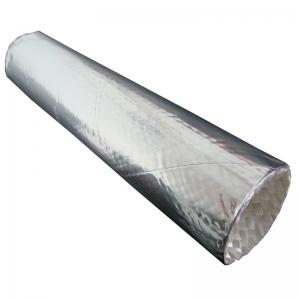
    An aluminum foil heat reflective sleeve is a specialized protective material engineered to shield hoses, cables, and wires from extreme radiant heat, abrasion, and environmental exposure. It combines a woven fiberglass or aramid base with an outer aluminum foil layer that reflects high-temperature radiant energy away from sensitive components. Because of its lightweight construction, thermal stability, and ease of installation, this sleeve has become a standard solution in industries such as automotive, aerospace, heavy machinery, marine engineering, and industrial manufacturing. This article provides an in-depth look at the structure, benefits, applications, and technical performance of aluminum foil heat reflective sleeves. It includes a complete technical data sheet, guidance on product selection, industry use cases, and frequently asked questions to help engineers and buyers make informed decisions. What Is an Aluminum Foil Heat Reflective Sleeve? An aluminum foil heat reflective sleeve is a tubular protective covering designed to reduce heat transfer by reflecting radiant energy. The outer aluminum foil layer offers excellent heat reflection, while the inner fiberglass or aramid layer provides high-temperature insulation and mechanical durability. This dual-layer construction creates a powerful thermal barrier that protects components exposed to engine heat, exhaust systems, industrial ovens, or high-friction zones. The sleeve is flexible, lightweight, and easy to cut or shape, making it suitable for both OEM manufacturing and aftermarket installations. Key Features and Performance Advantages Radiant Heat Reflection The aluminum surface reflects up to 90 percent of radiant thermal energy, significantly reducing heat absorption by cables, hoses, and wiring assemblies. This helps maintain performance and longevity even in high-temperature areas. High-Temperature Insulation The inner layer, typically fiberglass or aramid fiber, resists continuous temperatures ranging from 250 to 550 degrees Celsius depending on the material grade. This combination allows the sleeve to perform well in engine bays, turbines, and heated industrial zones. Excellent Abrasion Resistance The reinforced inner sleeve provides mechanical protection against abrasion, vibration, and contact with metal components. It prevents surface wear and reduces the risk of component failure. Chemical and Fluid Resistance The fiberglass or aramid composite layer resists automotive fluids, oils, fuels, and industrial solvents. This ensures reliability in harsh operational environments. Easy Installation The sleeve can be cut, bent, wrapped, or slipped over hoses and wiring bundles without special tools. Some versions include hook-and-loop or zipper closures, enabling installation without disconnecting components. Lightweight Construction Aluminum foil heat reflective sleeves provide effective thermal protection without adding significant weight, making them ideal for aerospace and perfo...
    read more
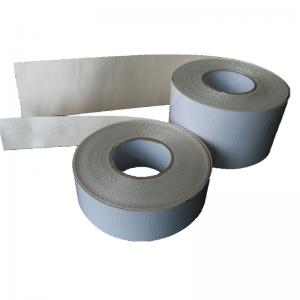
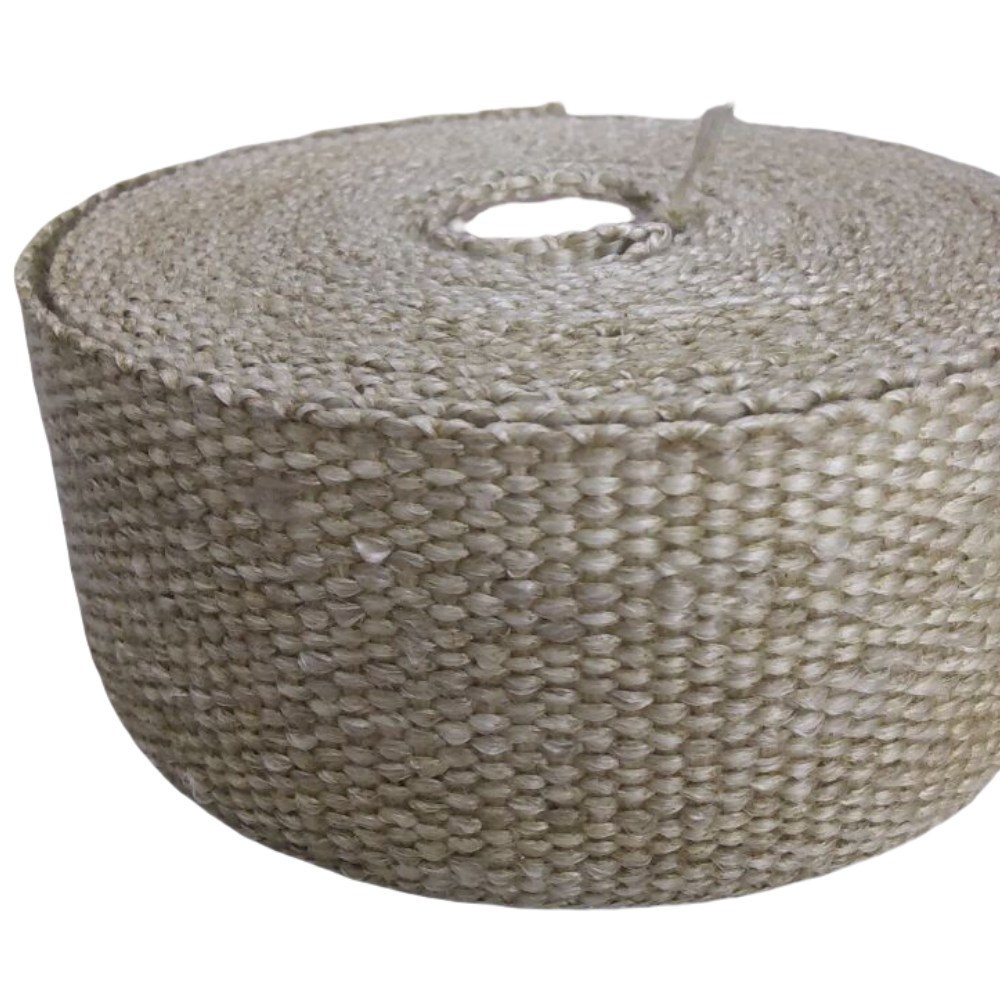
  • Vermiculite Coated Fiberglass Tape – High-Temperature Insulation & Fire Protection Solution
    Vermiculite Coated Fiberglass Tape – High-Temperature Insulation & Fire Protection Solution Dec 04, 2025
    Vermiculite coated fiberglass tape is a high-temperature insulation and protective material designed for demanding industrial environments. It is woven from high-quality E-glass fiberglass yarns and coated with an inorganic vermiculite solution that enhances its thermal stability, flame resistance, and mechanical durability. This tape is widely used for fire protection, thermal sealing, exhaust insulation, and heat shielding applications across multiple industries. Key Features and Advantages High Temperature Resistance The tape can withstand continuous temperatures up to approximately 538 degrees Celsius and short-term exposure up to 815 degrees Celsius. The vermiculite coating improves its performance under direct heat, flame contact, and radiant thermal loads. Excellent Flame and Abrasion Resistance The coated surface increases resistance to flames, sparks, molten metal splash, and mechanical wear. This makes it suitable for welding protection, furnace insulation, and other harsh working environments. Strong Mechanical Strength The woven fiberglass structure provides high tensile strength and good dimensional stability. The tape maintains its integrity even when exposed to vibration, compression, or repeated mechanical stress. Effective Thermal and Electrical Insulation Fiberglass delivers low thermal conductivity and good electrical insulation, making the tape suitable for equipment such as boilers, generators, transformers, and industrial ovens. Flexible and Easy to Install The tape can be wrapped, spiraled, overlapped, or shaped around irregular surfaces. It is commonly used for gaskets, seals, expansion joints, and cable or hose protection. Applications Automotive and Exhaust Systems Used for exhaust pipe wrapping, heat shielding, and high-temperature protection in engine compartments. Industrial Furnaces and Boilers Applied as door seals, expansion joint material, and thermal insulation around high-temperature equipment. Fire Protection and Welding Fields Used as a protective barrier against sparks, flames, and heat in foundries, welding stations, and metal processing facilities. Marine and Shipbuilding Provides fire-safe insulation in engine rooms and high-temperature sections of vessels. Electrical and Mechanical Equipment Used for thermal insulation of motors, transformers, and high-temperature cable assemblies. Technical Specifications (Typical Values) Base Material: E-glass fiberglass Coating: Inorganic vermiculite Continuous Temperature Limit: Approximately 538 degrees Celsius Intermittent Temperature Limit: Approximately 815 degrees Celsius Weave Style: Plain or twill Thickness: 1.5 to 6 millimeters Standard Widths: 25 to 100 millimeters Combustibility: Non-flammable Moisture Resistance: Good Electrical Insulation: Good Mechanical Strength: High Why Choose This Product This tape combines the flexibility of woven fiberglass with the enhanced thermal and abrasion protection of a vermiculite coating. It offers consistent quality, stab...
    read more
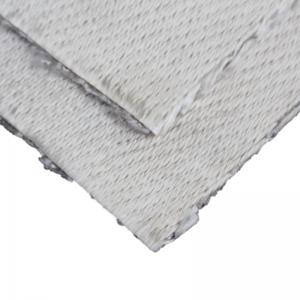
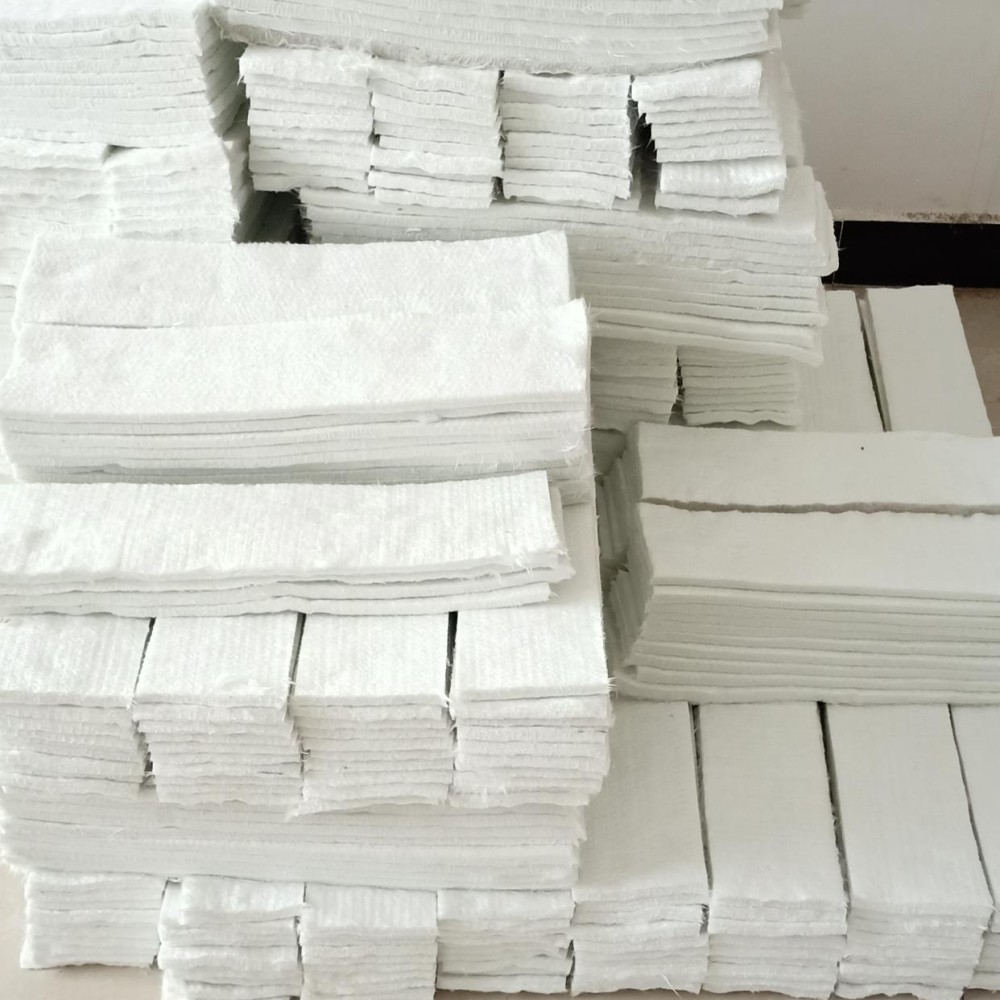
  • How Is a Needle Punched Fiberglass Blanket Made
    How Is a Needle Punched Fiberglass Blanket Made Dec 04, 2025
    A needle punched fiberglass blanket is a widely used high temperature insulation material designed for furnaces, boilers, exhaust systems, petrochemical equipment, and other industrial applications. Although the final product looks simple, its manufacturing process involves a series of technical steps that ensure durability, stable performance, and high thermal efficiency. Understanding how it is made helps buyers evaluate product quality and select the correct insulation material for demanding environments. Raw Material Preparation The production process begins with raw fiberglass fibers, typically E glass or C glass depending on the application. These fibers are formed through a melting process in which molten glass is extruded into fine strands. After cooling, the fibers are cut into short lengths suitable for non woven insulation production. The fibers must be clean, dry, and free from contamination to ensure uniform performance in the final product. Carding Process Carding is the next major step where chopped fibers are separated and evenly distributed. The fibers pass through a carding machine equipped with rotating drums that comb and fluff the material into a uniform web. This fiber web must be consistent in density because it forms the foundation of the blanket. Uneven carding can lead to weak areas and inconsistent thermal performance. Web Layering Once the web is formed, it is layered to achieve the desired thickness and density. The carded fiber web is laid onto a conveyor where multiple layers accumulate. Increasing or decreasing the number of layers allows manufacturers to create thin insulation mats or thick industrial blankets. Proper layering ensures uniform density throughout the blanket. Needle Punching Process Needle punching is the most important step in making a needle punched fiberglass blanket. Mechanical needles with small barbs repeatedly penetrate the layered fiber web. Each needle stroke pulls fibers from one layer into another, interlocking them into a dense three dimensional structure. This mechanical bonding process eliminates the need for chemical binders, improves strength, and provides structural stability under vibration and compression. Several parameters determine the final properties of the blanket. Needle density controls the number of punches per square meter. Punching frequency affects the tightness of the fiber bond. Penetration depth determines how deeply the fibers interlock. Adjusting these settings allows manufacturers to produce blankets with different strength levels, flexibility, and durability. Heat Setting After needle punching, the blanket goes through a heat setting process. This step stabilizes the fibers and removes internal stress caused by mechanical bonding. The blanket passes through a heating chamber where it is exposed to controlled high temperature air. Heat setting prevents shrinkage, deformation, and dimensional changes during future use. It ensures that the blanket maintains structu...
    read more
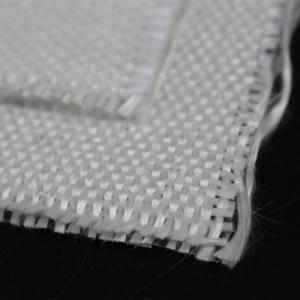
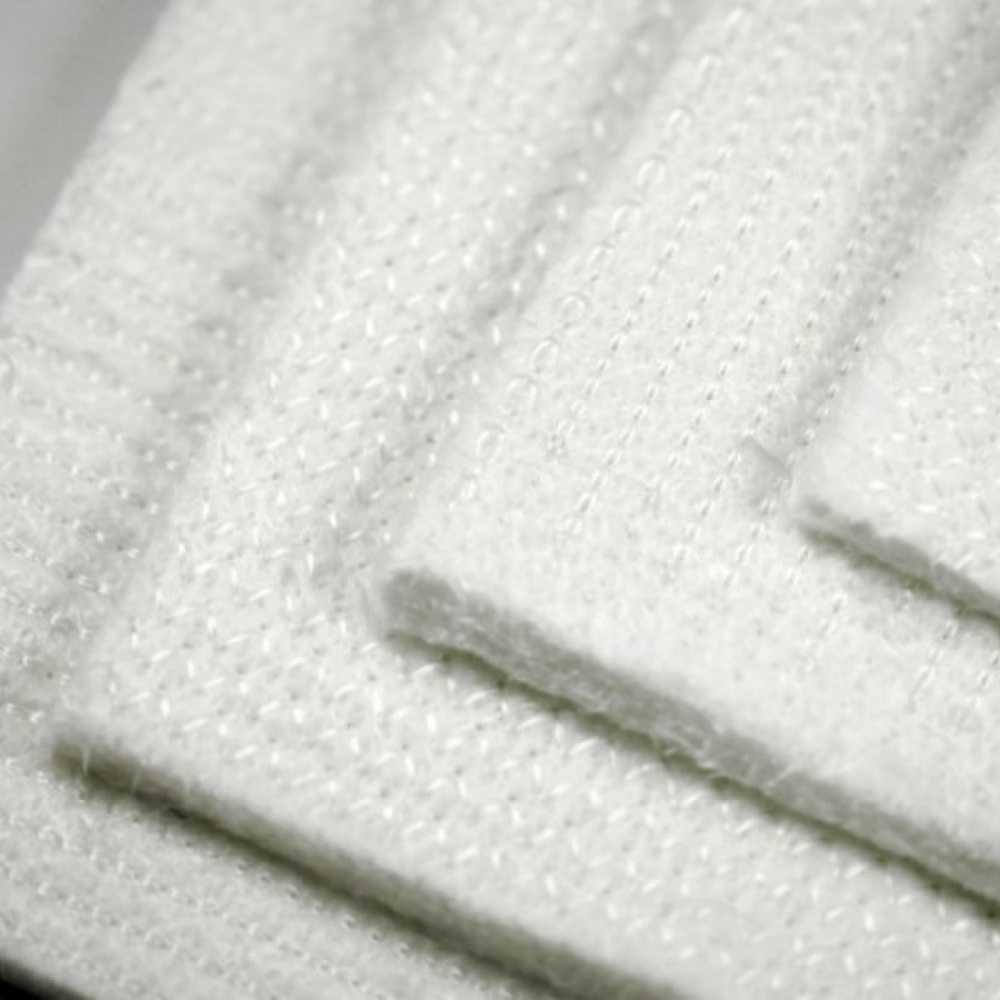
  • E-glass Needle Mat: The Complete Guide to High Temperature Insulation Materials
    E-glass Needle Mat: The Complete Guide to High Temperature Insulation Materials Dec 02, 2025
    What Is E-glass Needle Mat An E-glass Needle Mat is a high performance thermal insulation material made from chopped E-glass fibers that are mechanically bonded through a needle punching process. It is engineered for extreme temperature environments and widely used in exhaust systems, industrial furnaces, shipbuilding, and thermal protection structures. E-glass Needle Mats are known for their low thermal conductivity, high tensile strength, sound absorption capability, and resistance to chemicals and moisture. Because the fibers are mechanically interlocked without chemical binders, the mat is both flexible and durable. How E-glass Needle Mat Is Manufactured Chopped Fiber Preparation The process begins with finely chopped E-glass fibers, typically 3 to 6 mm in length, offering excellent structural uniformity. Needle Punching Process Mechanical needles pass through the fiber layers repeatedly, entangling the fibers to form a strong, dense, and uniform mat without using adhesives. Thickness and Density Options Different applications require different densities and thicknesses. Common thicknesses range from 3 mm to 50 mm, while densities vary from 60 to 150 kg per cubic meter. Material Composition and Properties Thermal Performance E-glass Needle Mats provide excellent thermal insulation due to the natural heat resistance of E-glass fibers. The material is designed to maintain structural stability at high temperatures. Mechanical Strength The needle punching process increases tensile strength, tear resistance, and dimensional stability. Chemical Resistance E-glass fibers resist most oils, solvents, moisture, and corrosive agents, making the material suitable for harsh industrial environments. Temperature Ratings and Heat Performance Continuous temperature resistance often ranges between 550 and 650 degrees Celsius. Short term temperature exposure can exceed 800 degrees Celsius depending on mat thickness and density. Performance is evaluated based on: Thermal conductivity Heat retention Dimensional stability Surface temperature reduction These metrics determine suitability for demanding thermal management applications. Applications of E-glass Needle Mat Automotive and Exhaust Systems Used in exhaust insulation blankets, turbocharger covers, and engine thermal shields. Industrial Furnaces and Boilers Insulates high temperature chambers, heat ducts, and metal processing equipment. Marine and Shipbuilding Protects exhaust pipes and heat generating components in compact marine engine rooms. Aerospace Applied to high temperature panels, insulation layers, and engine components. Building and Construction Used in fire protection systems, sound insulation panels, and HVAC duct insulation. E-glass Needle Mat vs Standard Fiberglass Mat Feature E-glass Needle Mat Standard Fiberglass Mat Manufacturing Process Needle punched Glued or mechanically layered Temperature Rating Higher Moderate Strength Stronger Lower Binder No chemical binder Often includes resin bind...
    read more
  • Fiberglass Needle Mat for High-Temperature Insulation: Applications and Benefits
    Fiberglass Needle Mat for High-Temperature Insulation: Applications and Benefits Dec 01, 2025
    Fiberglass needle mat is a high-performance insulation material widely used in industrial and automotive applications. Designed to withstand extreme temperatures, it provides excellent thermal protection, noise reduction, and fire resistance. Whether for exhaust systems, heat shields, or industrial equipment, fiberglass needle mat ensures safety and efficiency in demanding environments. Key Features of Fiberglass Needle Mat High Temperature Resistance: Can withstand continuous temperatures up to 550°C (1022°F) and brief peaks even higher, making it ideal for high-heat environments. Durable and Flexible: The needle-punched construction offers strength and resilience while remaining flexible for easy installation on curved surfaces or irregular shapes. Fire and Heat Protection: Provides reliable fire resistance and reduces heat transfer, protecting nearby components and personnel. Noise Reduction: Helps dampen vibrations and reduce operational noise in industrial machinery and automotive applications. Applications of Fiberglass Needle Mat Industrial Insulation: Used for thermal protection in furnaces, boilers, kilns, and other high-temperature equipment. Automotive and Marine Exhaust Systems: Ideal for wrapping exhaust manifolds, turbochargers, and mufflers to reduce under-hood temperatures and improve engine performance. Pipe and Duct Insulation: Provides effective heat shielding for high-temperature pipelines and air ducts. Fire Protection: Acts as a barrier in fireproof doors, panels, and protective blankets. Benefits of Using Fiberglass Needle Mat Enhanced Safety: Reduces the risk of burns and fire hazards by providing a reliable heat barrier. Energy Efficiency: Minimizes heat loss, improving system efficiency and lowering energy costs. Long Service Life: Resistant to vibration, compression, and high-temperature degradation, ensuring durable performance. Easy Installation: Lightweight and flexible design allows for quick wrapping, cutting, and fitting around complex surfaces. Why Choose Our Fiberglass Needle Mat Our fiberglass needle mat is manufactured from high-quality, high-purity glass fibers using advanced needle-punching techniques. Each mat is rigorously tested for heat resistance, tensile strength, and durability. With years of experience in thermal insulation solutions, we provide a reliable product that meets industry standards and customer expectations. Fiberglass needle mat is an essential material for high-temperature insulation across industrial, automotive, and marine applications. By choosing the right fiberglass needle mat, you can enhance safety, improve efficiency, and extend the lifespan of your equipment. Invest in quality insulation today to protect your assets and optimize performance.
    read more
first page 1 ... 19 20 21 22 23 ... 87 last page
[  a total of  87  pages]
leave a message

leave a message

    If you have questions or suggestions, please leave us a message,we will reply you as soon as we can!

Home

Products

About

Contact

top