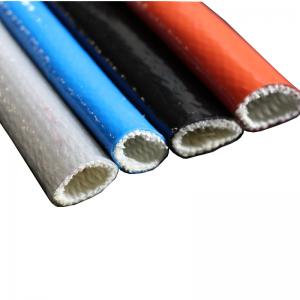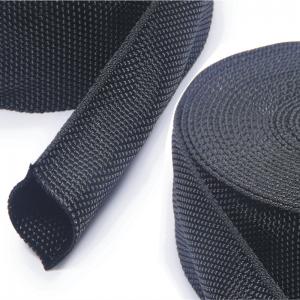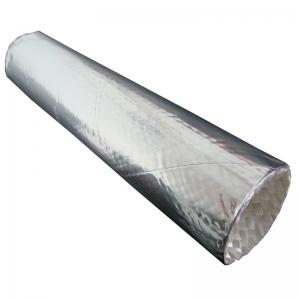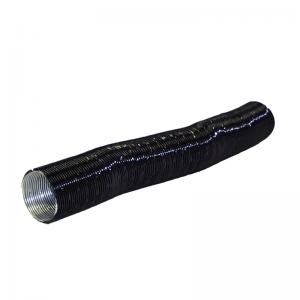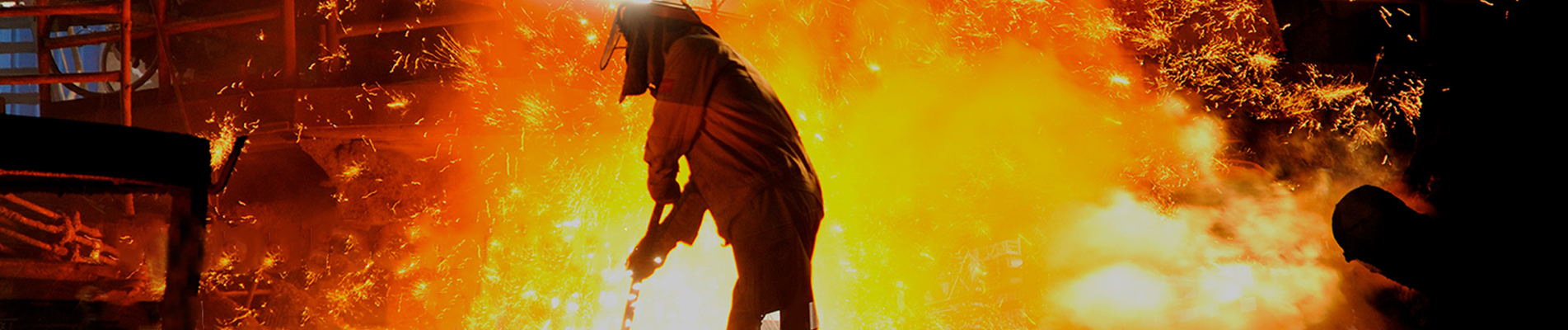
A basalt fiber sleeve is a textile tube placed around a hose, cable or pipe for thermal protection. On an industrial hose, selection starts with two questions: how the assembly receives heat and how it moves in service. A sleeve that fits a stationary sample may behave differently beside a hot machine surface or on a hose that repeatedly flexes.
BSTFLEX Braided Basalt Fiber Sleeve is offered in filament and texturized yarn versions. Establish the construction required for the job before comparing nominal diameters or requesting a production quotation.
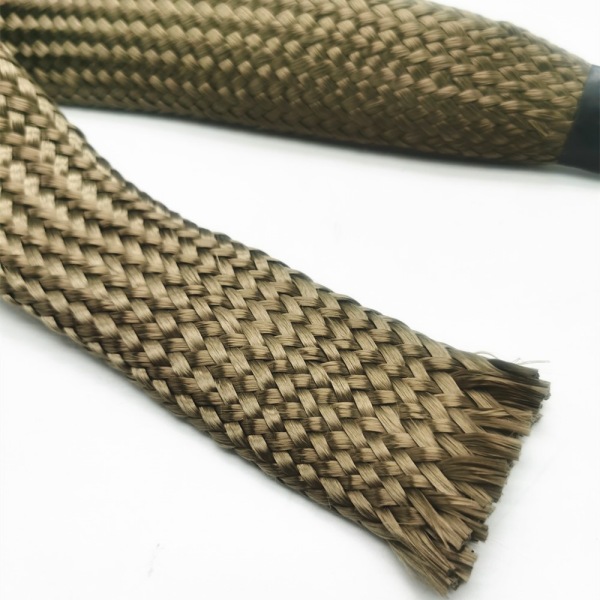
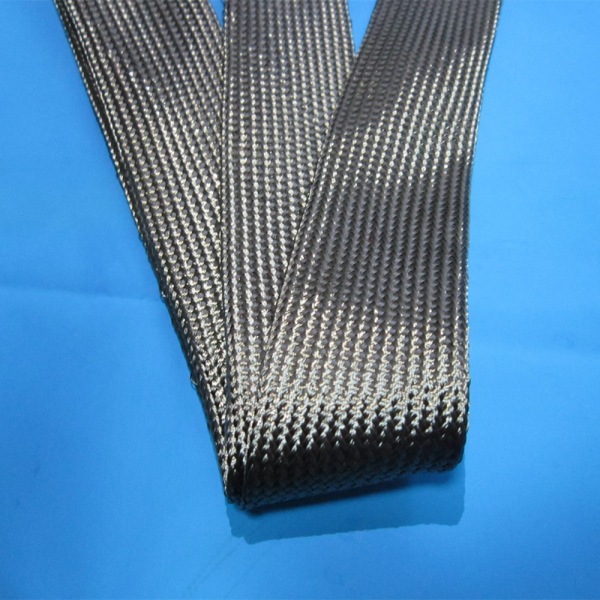
The published product range pairs a 1.5 mm wall with filament basalt yarn and a 3 mm wall with texturized basalt yarn. The listed diameter ranges differ: 6–152 mm for the 1.5 mm version and 10–100 mm for the 3 mm version. Confirm the required size and finished dimensions when ordering, especially for a special construction.
These options should be treated as separate sample candidates. Yarn form and wall thickness can affect the installed feel, space occupied and behavior around a bend. A greater wall thickness does not, by itself, establish a higher permitted operating temperature or a guaranteed reduction in hose temperature.
For a purchasing comparison, identify the yarn construction, nominal ID, finished thickness, length and intended duty on each quotation. A description that says only basalt sleeve leaves too much room for different constructions to be supplied.
Mark the heat source on an installation photograph. State whether the sleeve faces a nearby hot surface, sits in hot air or contacts a heated component. Include the distance to the source, normal running period and any temperature rise after shutdown. If the hose carries a hot fluid, include that internal heat source as well.
Define the temperature that matters at the hose itself. The hose manufacturer's allowable temperature remains a separate requirement from the sleeve's material rating. External insulation does not increase the hose's pressure rating or authorize use outside its fluid compatibility limits.
For qualification, measure the hose temperature at the critical location through the intended operating cycle. Keep sensor location, ambient conditions and machine load consistent when comparing configurations. A heat source temperature alone cannot show that the protected hose stays within its limit.
Follow the hose through its full working travel. Pay attention to supports, nearby metal edges, crossing hoses and locations where the sleeve can slide back and forth. Correct avoidable contact through routing or support changes before relying on the textile to tolerate it.
At a bend, inspect the outer side for opening of the textile and the inner side for folds. Check that the hose can move through its intended range without the sleeve pulling against a fitting. If repeated flexing is part of the duty, include that movement in the approval trial and inspect again after representative heat exposure.
| Observed condition | Question to resolve | Useful sample evidence |
|---|---|---|
| Hose passes a heated machine surface | What is the actual exposure at the protected line? | Temperature records from the intended route and operating cycle |
| Sleeve contacts a support | Does relative movement concentrate wear at one point? | Inspection after representative movement against the actual contact surface |
| Hose bends repeatedly | Does coverage remain in place throughout travel? | Photographs at both travel limits and inspection after cycling |
| Ends move during operation | What retention method is compatible with the hose? | An installed trial showing retained coverage without damaging compression |
| Oil or cleaning fluid reaches the sleeve | Is the selected construction compatible with the actual fluid? | Evaluation using the specified fluid, temperature and contact duration |
A continuous sleeve needs an accessible path over the hose or component. Measure the largest fitting or shoulder it must pass, not just the hose outside diameter. Do not assume a standard expansion ratio. Confirm passage using the selected sample and inspect for disturbed yarns or damage afterward.
Mark the required coverage before installation and check the endpoints after the assembly is routed. Choose a retention method that holds the sleeve without damaging the hose cover or interfering with fitting access. Include the ends in the movement trial; an arrangement that stays put on a bench may migrate on operating equipment.
For an assembled line with no accessible end, discuss a suitable alternative construction. Cutting a continuous sleeve lengthwise changes its structure and should not be treated as an approved installation method.
A basalt hose protection sleeve should not be assumed to contain a pressure release or qualify as a fire barrier. If the equipment requires burst containment, flame exposure performance or a defined electrical insulation level, state that requirement separately and request supporting results for the proposed finished product.
Likewise, specify the actual chemical exposure rather than relying on a general resistance statement. A fluid name, concentration, temperature and exposure period give the supplier a useful basis for review. A textile tube is not automatically a sealed barrier against liquid ingress.
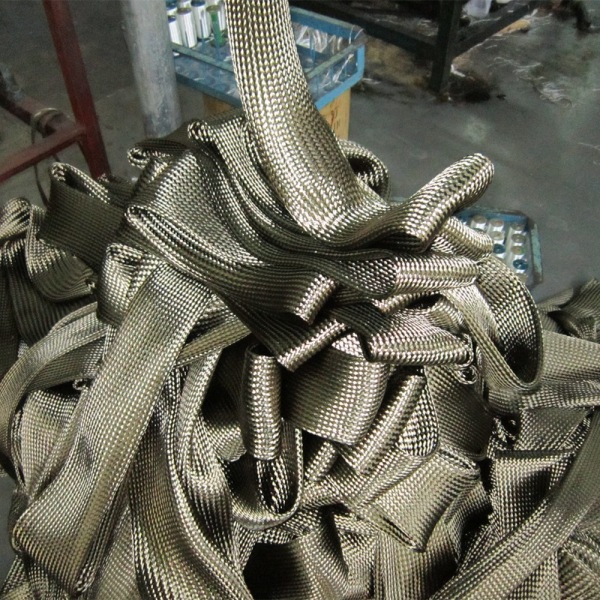
Send a marked drawing or photograph with these details to request a BSTFLEX sample. Anhui Parker New Material Co., Ltd. handles manufacturing and can review special size, thickness, length and packing requirements. Preserve the approved sample and the agreed inspection conditions for repeat orders.
Only after the proposed construction has been evaluated for both duties. Repeated motion introduces contact and coverage requirements that a stationary fit check does not establish.
Thickness is one part of the selection. The finished assembly must also fit, flex and meet its thermal target. Compare samples under the intended conditions before approving a change.
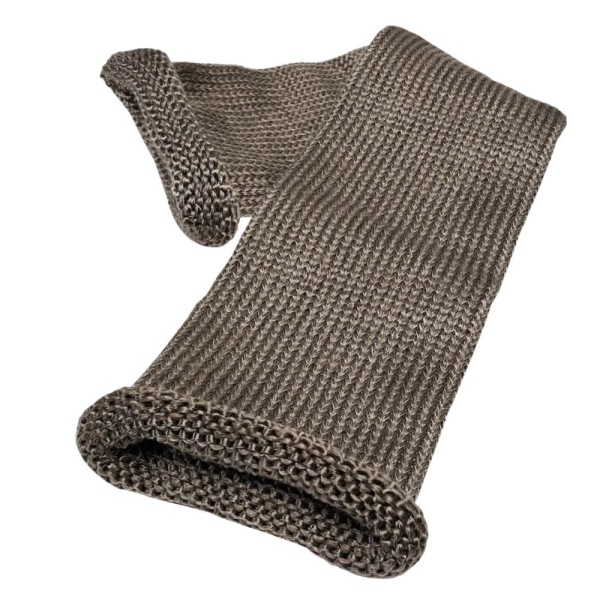
The knitted basalt exhaust insulation sleeve is a separate product listing. Confirm construction and intended application when requesting either product; the shared fiber name does not make their sizing or performance interchangeable.
Review the basalt sleeve product specifications for a starting size, or compare material families in the high temperature sleeves range when the operating conditions call for another construction.

 français
 Deutsch
 русский
 italiano
 español
 português
 Nederlands
 العربية
 日本語
 한국의
 Türkçe
 Polski
 Tiếng Việt
 slovenský
 Indonesia