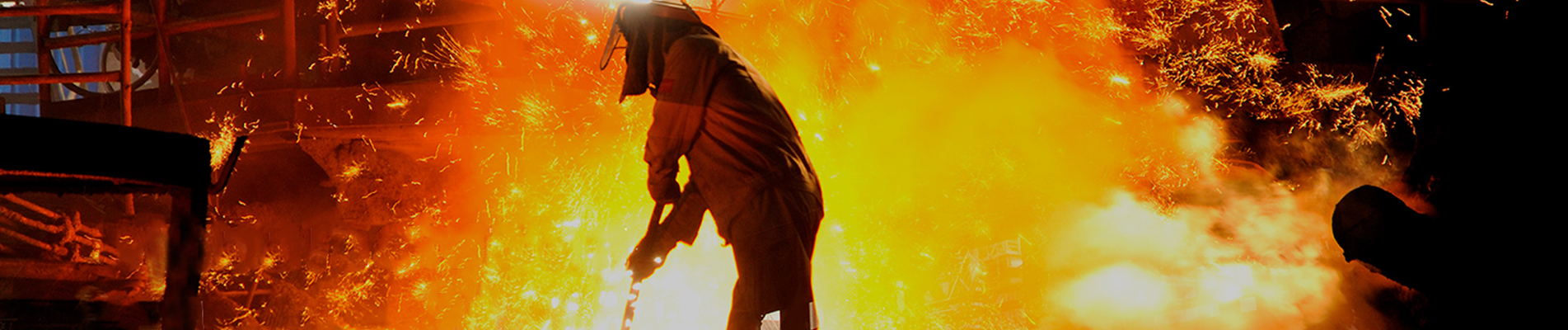
The heat rating of a silicone coated fire sleeve is typically up to 500°F (260°C) continuous, with a peak (short-term) rating of up to 2000°F (1093°C) for 10-30 minutes.

However, it's crucial to understand that this is a general range, and the exact rating can vary by manufacturer and specific product line. Here’s a more detailed breakdown:
Continuous Service Temperature:
-80°F to +500°F (-62°C to +260°C). This is the temperature range the sleeve is designed to handle constantly during normal operation without degrading.
Intermittent/Peak Temperature:
Up to 2000°F (1093°C) for short durations, typically 10 to 30 minutes. This critical rating represents its ability to withstand a direct flame or extreme thermal event, which is its primary purpose as a fire sleeve.
Many high-quality silicone fire sleeves are manufactured to meet or exceed the stringent requirements of military specification MIL-DTL-9240 (formerly MIL-H-9240). This spec rigorously tests the sleeve's ability to:
Resist Flame: Must not burn or transmit flame when exposed to a 2000°F blowtorch for a set period.
Provide Thermal Insulation: Must prevent the temperature on the inside (e.g., on a hydraulic hose) from exceeding 400°F (204°C) during the flame test, preventing the fluid inside from igniting.
Withstand Fluids: Must resist various oils, fuels, and solvents.
Remain Flexible: Must not become brittle or crack after exposure to fluids and temperature cycling.
If a sleeve is marked as MIL-DTL-9240 compliant, you can be confident in its published heat and fire ratings.
The silicone rubber coating is key to the sleeve's performance:
Excellent Thermal Resistance: Silicone itself has a very high heat resistance.
Flexibility: It remains flexible across a wide temperature range, preventing cracking.
Durability: It provides excellent resistance to weathering, ozone, UV radiation, and many chemicals.
Abrasion Resistance: The coating protects the underlying fiberglass fabric from physical wear and tear.
Silicone coated fire sleeves are used anywhere critical components need protection from extreme heat and flash fires:
Aerospace: Engine bays, hydraulic lines, fuel lines.
Industrial: Near furnaces, welding equipment, and hot machinery.
Racing: Protecting fuel, oil, and brake lines in the engine compartment.
Military Vehicles: Armored vehicles and aircraft.
Uncoated Fiberglass Sleeving: Has a similar high-temperature resistance but lacks abrasion, chemical, and fluid resistance. The silicone coating adds this crucial durability.
Vinyl-Coated Sleeving: Has a much lower temperature rating (typically around 250°F / 121°C continuous) but is more cost-effective for less demanding applications.

 français
 Deutsch
 русский
 italiano
 español
 português
 Nederlands
 العربية
 日本語
日本語 한국의
한국의 Türkçe
 Polski
 Tiếng Việt
 slovenský
 Indonesia