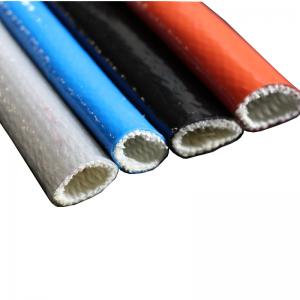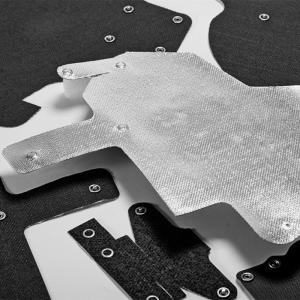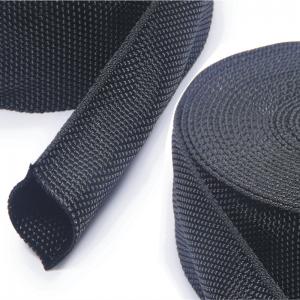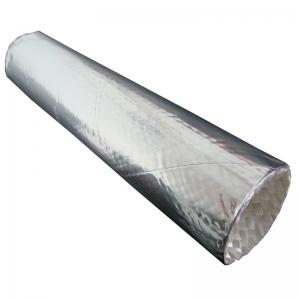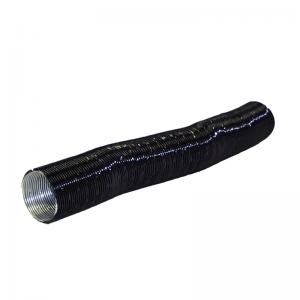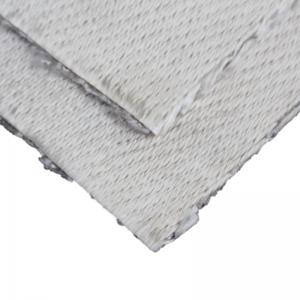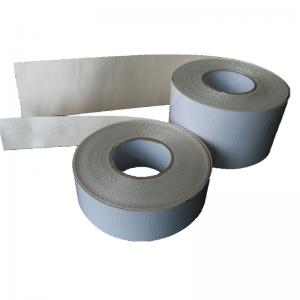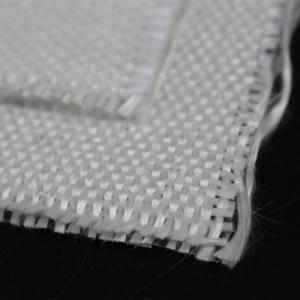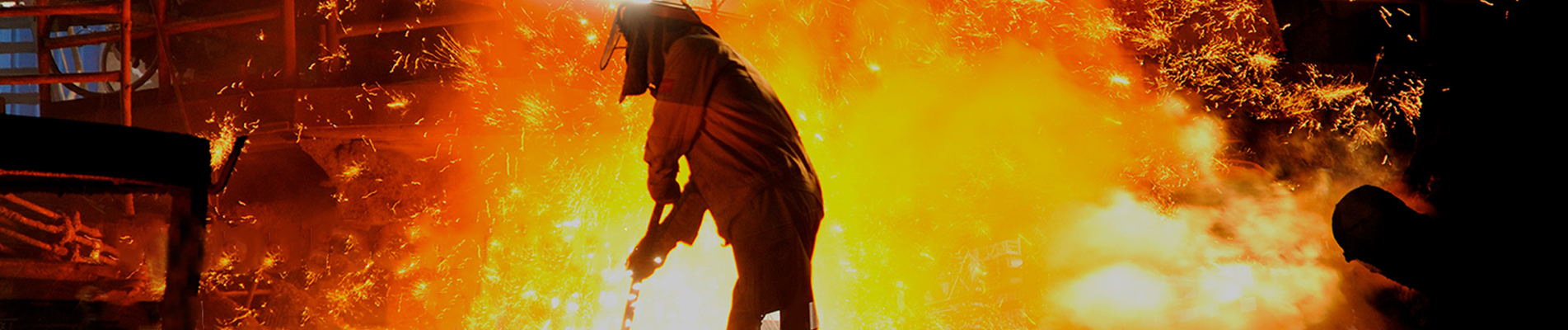
PKfiresleeve’s CRS ceramic fiber braided sleeve is made from alumino-silicate ceramic fiber nonwoven material. The product is described as soft, pliable and lightweight, with low thermal conductivity and good dielectric strength. It is intended for thermal insulation and protection of industrial wires, cables, hydraulic hoses, tubes and pipes.
The sleeve can help reduce heat transfer to a protected component and limit direct exposure to radiant or nearby heat. It is not a substitute for a system-level thermal assessment, electrical insulation design, guarding or personal protective equipment. A covered hot line can still cause burns, and a sleeve’s dielectric description does not establish a voltage rating for a particular installation.
For an assembly with fittings larger than the hose or cable body, verify that the sleeve can be installed over the largest feature—or specify an installation sequence that avoids stretching or damaging it.
The CRS product page contains different temperature statements: a technical table lists an operating range of −40°C to +1260°C and a melting point of +1650°C, while its feature text also refers to continuous service at 2000°F and excursions to 3000°F (about 1650°C). These figures are not interchangeable. A melting point is not a recommended continuous-use temperature, and an excursion statement does not define an allowable duration, load or installation condition.
Before specifying the sleeve, ask for written confirmation of the allowable continuous and intermittent temperatures for the exact product size and construction. Share the expected exposure type (ambient, radiant, flame or hot-fluid contact), duration, cycling, mechanical contact and whether the protected part itself has a maximum temperature. If the application is safety-critical, validate it under representative operating conditions.
Consider the CRS sleeve when a flexible, ceramic-fiber-based insulating cover is needed around a cable, hose, tube or pipe in a high-heat area. For installation and product details, see the ceramic fiber braided sleeve product page or browse the high-temperature sleeve range.
Different fiber constructions suit different temperature, handling and exposure requirements. If you are comparing this product with a silica-fiber sleeve, review the silica fiber braided sleeving details and compare the confirmed ratings for each product rather than choosing by fiber name alone.
The product table lists nominal IDs from 6 mm to 51 mm. Confirm the actual dimensions and tolerances for the selected size before ordering.
No. Melting point, continuous service temperature and short-duration exposure are different ratings. Request the written service limit for the exact construction and operating conditions.
Do not assume so. The sleeve may reduce heat transfer, but the outside surface can remain hot. Assess contact temperature and retain appropriate guarding and safety controls.
Not by that statement alone. Ask for the applicable dielectric test data and voltage rating for the intended construction and environment.
To request a size recommendation or sample, provide the component outside diameter, heat exposure, operating cycle and installation constraints with your inquiry.

 français
 Deutsch
 русский
 italiano
 español
 português
 Nederlands
 العربية
 日本語
 한국의
 Türkçe
 Polski
 Tiếng Việt
 slovenský
 Indonesia