français
 Deutsch
 русский
 italiano
 español
 português
 Nederlands
 العربية
 日本語
日本語 한국의
한국의 Türkçe
 Polski
 Tiếng Việt
 slovenský
 Indonesia



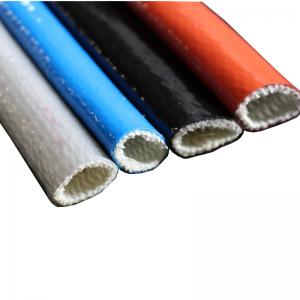
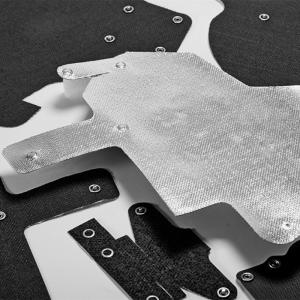
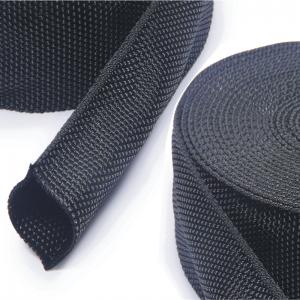
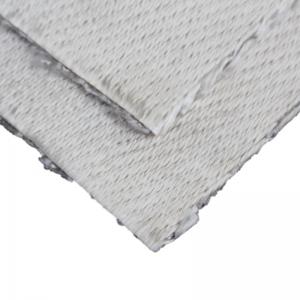
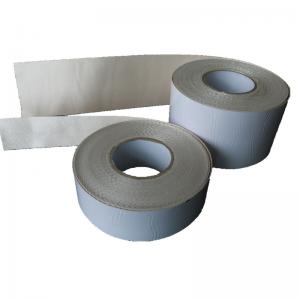
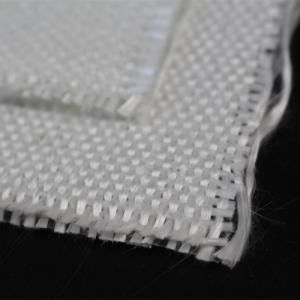
Fiberglass and stainless steel wire reinforce ceramic fiber yarn, but they do not provide the same service behavior. Glass filament offers a non-metallic reinforcement option. Stainless steel wire is considered when the application needs mechanical integrity at temperatures beyond the confirmed capability of a glass-reinforced construction. The decision depends on the finished tape, not simply on the ceramic fiber's headline temperature.
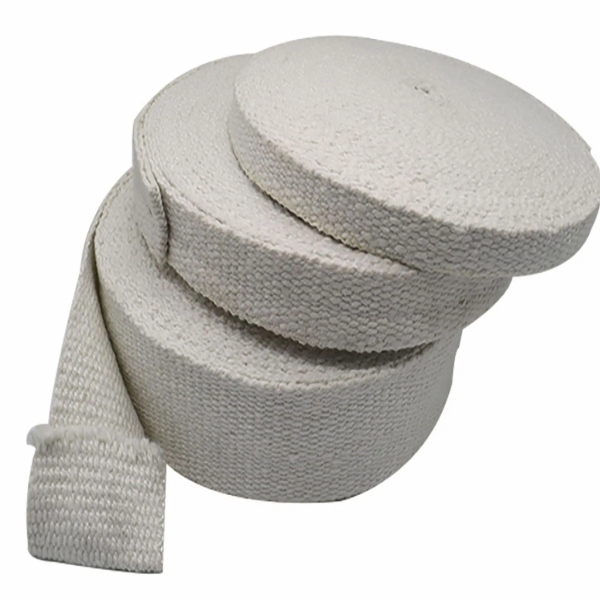
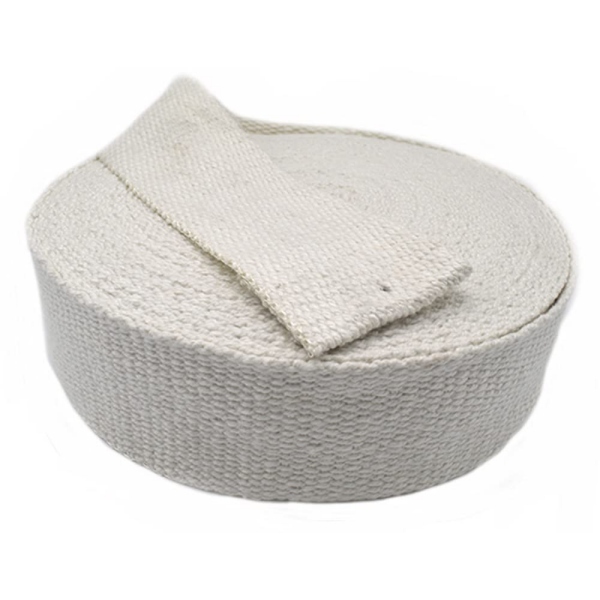
BSTFLEX ceramic fiber woven tape is available with fiberglass or stainless steel wire reinforcement for industrial insulation and thermal sealing. When ordering, identify whether the reinforcement is needed mainly for installation handling or must continue supporting the textile during operation.
What Is Being Reinforced?
In these products, the reinforcement is incorporated into the ceramic yarn used to weave the tape. It helps make the yarn workable and supports the textile's mechanical integrity. It is not an external wire mesh, an adhesive backing or a clamp applied after wrapping.
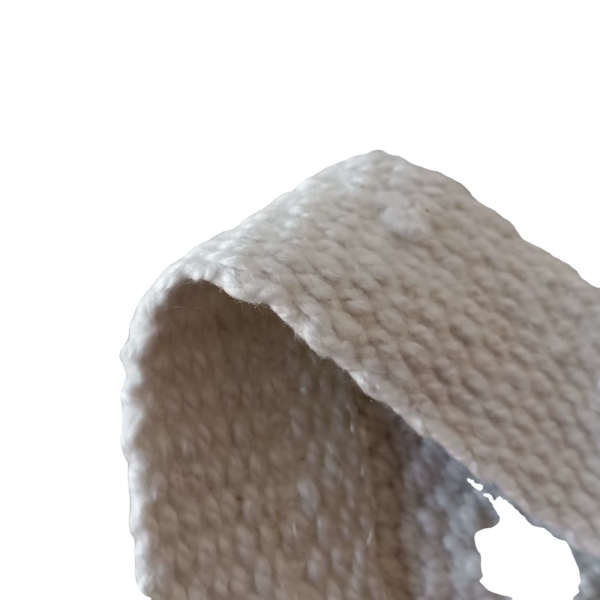
Fiberglass reinforced ceramic fiber tape is still a ceramic textile; it is not the same product as tape woven entirely from fiberglass yarn. Likewise, wire reinforced ceramic tape is not a solid metal strip. Some constructions contain both glass filament and stainless steel wire, so request the complete yarn description rather than assuming the two labels always describe mutually exclusive materials.
Fiberglass vs Stainless Steel Wire: The Practical Comparison
| Selection factor | Fiberglass reinforcement | Stainless steel wire reinforcement |
|---|---|---|
| Reinforcement form | Glass filaments within the ceramic yarn. Confirm that the requested construction contains no metallic reinforcement when this matters. | Fine stainless steel wire within the yarn, sometimes combined with glass filament. Specify the wire alloy and construction. |
| Strength during hot service | The glass reinforcement can limit the temperature at which the textile retains the required tensile integrity. | Can support higher-temperature mechanical duty in a suitable construction. Alloy, atmosphere, exposure time and stress remain important. |
| Electrical considerations | Avoids a metallic reinforcing path when genuinely metal-free. This does not establish an electrical insulation rating. | Contains conductive metal. Review contact with terminals, heating elements and other electrically sensitive parts. |
| Fit and handling | Check bending, edge stability and compression on the actual tape. Glass reinforcement alone does not guarantee a particular flexibility. | Check the effect of wire size and weave on fit. Inspect cut ends and prevent exposed wire from damaging adjacent components. |
| Evidence to request | Reinforcement description, construction-specific service conditions and strength data relevant to the required duty. | Wire grade, construction-specific service conditions and evidence of mechanical suitability after the intended heat exposure. |
Why the Ceramic Fiber Temperature Is Not the Whole Answer
A ceramic fiber classification temperature does not establish how long an assembled tape will retain its strength in a particular installation. Continuous operation, brief exposure and fiber classification are different specification items.
The distinction becomes important when the tape must resist pulling, vibration or movement while hot. Ceramic fibers may remain present after the reinforcement has lost useful strength. That does not prove the tape can still perform a duty that depends on that reinforcement.
A strip captured between mating surfaces has a different mechanical task from an exposed wrap that must remain secure during movement. Do not assume both can use the same temperature limit. Ask the supplier to confirm the exact construction for the actual retention and loading conditions.
Adding stainless steel wire does not automatically raise the ceramic fiber grade. It changes the reinforcement system. It also does not prove a lower outside surface temperature; insulation performance must be assessed separately from yarn strength.
Three Decisions Before Choosing the Reinforcement
Does the tape need to retain strength during operation?
For a stationary contact strip, define the installed compression and the way the equipment retains it. For a frequently opened door or a moving assembly, also describe dragging, bending and repeated handling. These requirements are more useful than asking for the "strongest" tape without identifying when that strength is needed.
Where sustained hot mechanical integrity matters, evaluate a wire-reinforced candidate against the actual duty. Where the documented glass-reinforced construction already meets the requirement, wire is not automatically necessary.
Can the assembly contain conductive reinforcement?
Stainless steel wire can introduce an electrical path. Near energized parts, have the equipment designer review clearances, cut ends and possible contact during service. A ceramic outer appearance does not make hidden metal electrically insulating.
A metal-free, glass-reinforced construction may address a no-metal requirement, but it is not automatically approved as primary electrical insulation. Require the relevant dielectric qualification whenever electrical isolation is a design function.
What atmosphere and heating cycle will the wire encounter?
"Stainless steel" is a material family, not a complete high-temperature specification. Alloy selection affects oxidation resistance, high-temperature corrosion and creep, meaning gradual deformation under sustained stress. Provide the process atmosphere, temperature history and expected mechanical loading.
Do not substitute another wire grade solely because it fits the same tape dimensions. A replacement should be reviewed against the original service requirement.
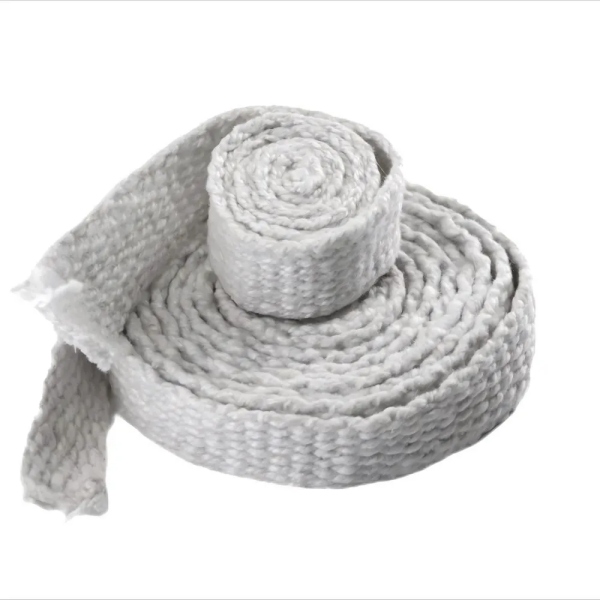
Compare Samples After Exposure, Not Only Straight from the Roll
For a reinforcement comparison, keep tape width, thickness and weave as similar as practical. Record any remaining differences. Otherwise, a change in textile construction may be mistaken for an advantage of one reinforcement material.
Some ceramic textile yarns include organic processing fibers or binders. Where present, their loss during heating can change the as-supplied condition. Ask about organic content and any heat treatment, then use the supplier's handling instructions and the equipment's approved heating procedure.
Define what a satisfactory sample must demonstrate. For a contact strip, this might include retention, installed thickness and acceptable edge condition. For an exposed wrap, it might include fixing stability and resistance to movement. Where tensile performance is important, distinguish strength measured while hot from residual strength measured after cooling.
Wire reinforcement does not make the tape a load-bearing restraint or a pressure-retaining repair. Obtain the current safety data sheet for the actual ceramic fiber formulation and use it to plan cutting, installation and removal.
Specify Reinforced Ceramic Fiber Tape for Repeat Supply
A repeatable order needs more than "ceramic tape, white." Include the following information in the enquiry or drawing:
- Textile and reinforcement
- Ceramic fiber type, glass filament or wire reinforcement, any combined construction, and the required stainless steel grade where applicable.
- Dimensions and installation
- Width, nominal thickness, roll or cut length, quantity, joint or component dimensions, and the intended retention method.
- Operating duty and acceptance
- Normal and peak temperatures, exposure duration, process atmosphere, movement, electrical restrictions and the agreed sample or test requirements.
BSTFLEX supplies reinforced ceramic fiber woven tape for industrial equipment insulation and thermal sealing. Send the operating conditions and drawing so the reinforcement and supply format can be reviewed together. Required dimensions and packing are confirmed with the quotation.
For other industrial materials and constructions, compare the high temperature tapes range. For this product, request a ceramic fiber tape quotation with your reinforcement requirements.