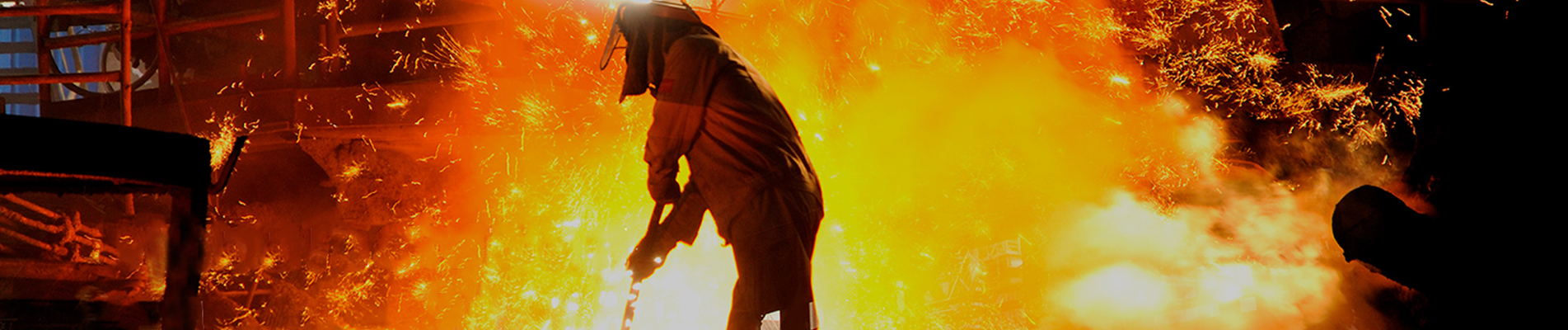
Choose single-side silicone coated fiberglass fabric when one face needs a silicone surface and the opposite face can remain uncoated within the finished assembly. Consider double-side silicone coated fiberglass fabric when both faces need that surface protection. Neither construction is automatically the better choice: coating weight, base cloth, operating conditions and fabrication requirements determine whether the material fits the job.
For an insulation fabricator, the useful question is not simply whether a cloth has one coated face or two. It is which surfaces will encounter moisture, rubbing, cleaning and repeated handling, and whether those surfaces remain within the selected grade's temperature limit.
BSTFLEX offers both configurations within its Silicone Coated Fiberglass Fabric for High Temperature Insulation range, with specification options for different industrial and OEM requirements.
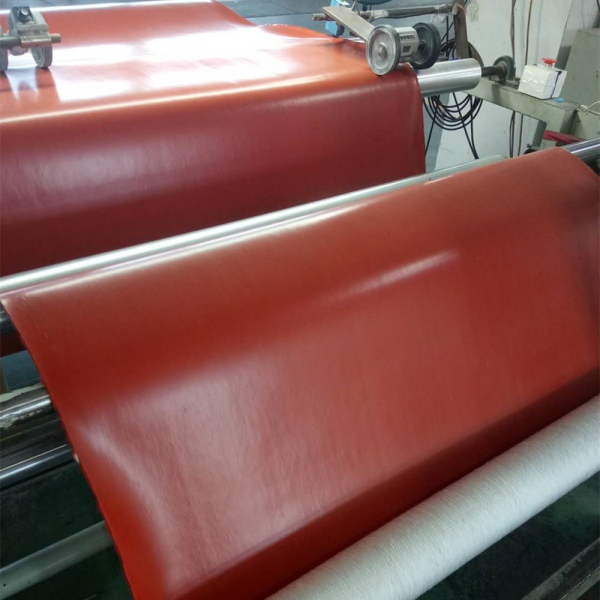
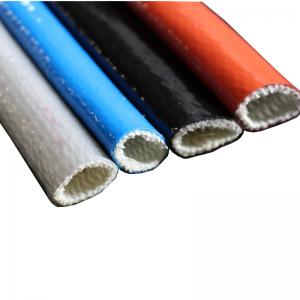
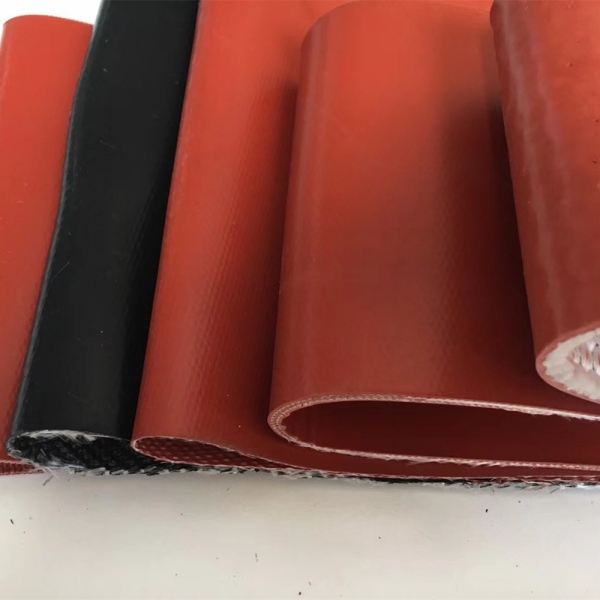
Single-side coated fabric has a silicone finish on one face of the woven fiberglass substrate. The reverse face does not have the same specified silicone surface layer. Buyers may also describe this construction as single-sided silicone fiberglass cloth or one-side silicone coated glass fabric.
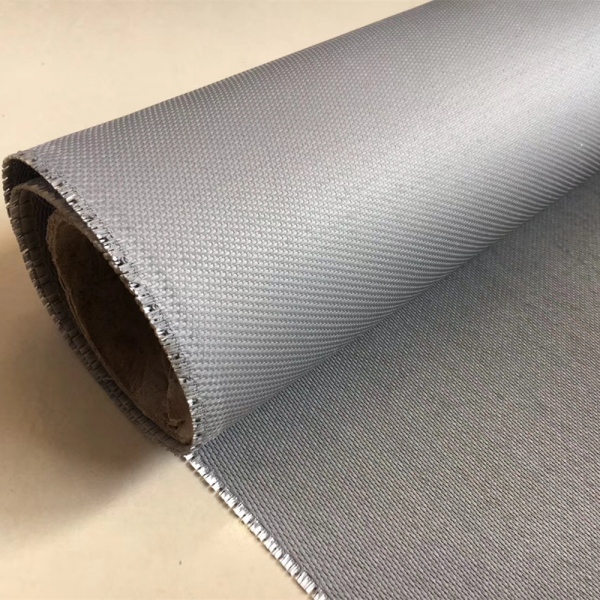
Double-side coated fabric has silicone on both faces of the substrate. It is also called double-sided silicone coated fiberglass cloth or two-side silicone coated fiberglass fabric. This normally describes one fiberglass base cloth coated on both sides, not two separate layers of fiberglass.
The label identifies where the coating is applied. It does not, by itself, specify coating thickness, total silicone content, flexibility, strength or service temperature. For an introduction to the material itself, read What Is Silicone Coated Fiberglass Fabric and Where Is It Used?
| Selection point | Single-side silicone coating | Double-side silicone coating |
|---|---|---|
| Surface coverage | One face has the specified silicone finish. | Both faces have a specified silicone finish. |
| Exposure to evaluate | Whether one coated face is sufficient and the reverse face is suitable for its environment. | Whether both faces benefit from coated-surface protection during installation and service. |
| Coating weight | Request the cured coating weight on the coated face. | Request the cured coating weight on each face, not only the combined amount. |
| Handling and drape | Evaluate the actual base cloth and coating combination. | Evaluate the actual sample; two coated faces do not define how stiff or flexible it will be. |
| Temperature selection | Use the rating of the specified finished construction. | Use the rating of the specified finished construction; a second coated face does not automatically raise it. |
| Fabrication | Keep the coated-face orientation consistent through cutting and sewing. | Confirm whether both faces are equivalent before treating the material as reversible. |
| Quotation comparison | Compare base fabric, coating mass, width, tolerances and required performance. | Compare the same items, including the coating distribution between faces. |
Finished fabric weight alone does not describe the construction. Two materials can have the same total weight while placing different amounts of silicone on the surfaces that matter to the application.
Consider this simplified arithmetic example. These figures illustrate coating distribution only; they are not BSTFLEX stock specifications or performance ratings.
Construction A: 430 g/m² fiberglass base + 100 g/m² silicone on one face = 530 g/m² finished weight.
Construction B: 430 g/m² fiberglass base + 50 g/m² silicone on each face = 530 g/m² finished weight.
The finished weights match, but Construction A concentrates its coating on one face while Construction B distributes it across both. Neither the equal total weight nor the number of coated faces establishes which material has better abrasion resistance, coating adhesion or flex life. Those properties require grade-specific data or testing.
When requesting quotations, distinguish base fabric weight, coating weight per face and finished fabric weight. Specify that coating weights refer to the cured coating, and agree on the relevant manufacturing tolerances.
Silicone coated fiberglass is used as an outer fabric for removable insulation pads and jackets. In that position, its surface protection is a separate function from the bulk insulation inside the cover.
Evaluate single-side coating when the silicone face will remain on the exposed exterior and the reverse face is acceptable against the adjacent insulation layer. Consider double-side coating when both faces need a coated finish because of the construction, handling or maintenance procedure.
Do not assume that a second silicone surface will solve wet-insulation problems. Openings, closures, seams and drainage arrangements also need review. The temperature at the outer fabric must remain within the selected grade's rating, regardless of how hot the equipment becomes.
For complete assemblies, see BSTFLEX Removable Insulation Blankets.
In a fabric expansion joint, first establish whether the proposed cloth is an external cover, a flexible barrier or another specified layer. Then assess the temperature, pressure, gas composition and movement at that location.
Double-side coating can be a candidate where both faces require a silicone surface. It does not establish a pressure rating or prove that the finished joint is gas-tight. The fabric, seams, clamping arrangement and complete layer construction must meet the application requirements.
A single-side option may also be appropriate where the reverse face has a defined, acceptable role in a multilayer assembly. Confirm the orientation on the drawing rather than leaving it to the installer. Refer to Non-Metallic Fabric Expansion Joints for assembly-specific requirements.
For welding protection, establish the required resistance to sparks, spatter and other hot-work exposure before choosing coating sides. A double-side finish is not evidence that a fabric is suitable for heavier molten splash or longer flame exposure.
Where a curtain may be handled or exposed on both faces, a double-side construction is worth evaluating. For a fixed-orientation barrier, a qualified single-side construction may be sufficient. In either case, use the applicable test evidence and installation instructions for the exact grade and finished product.
Compare application-specific options in the Welding & Soldering Area Protection range.
For an outer jacket, the coated face would normally be positioned toward the environment it is intended to resist. In other assemblies, the correct orientation depends on the layer design. Mark the required face on the drawing and keep that orientation through cutting, sewing and installation.
An uncoated reverse face is not a license to exceed the composite's temperature rating. Heat can pass through the cloth to the silicone on the other side. Placing the bare glass face against a hot surface does not automatically keep the coating cool enough.
Similarly, do not treat a double-side fabric as reversible without checking the specification. The term confirms coating on both faces; it does not guarantee equal coating weights, identical finishes or identical exposure requirements.
A higher continuous temperature: temperature capability still depends on the silicone formulation and finished construction. Coating both sides is not a substitute for selecting a suitable thermal grade.
A waterproof or gas-tight assembly: even where the fabric meets a specified barrier requirement, needle holes, cut edges, joints and closures remain separate design details. Specify and verify the finished assembly's leakage requirement.
Compatibility with every industrial fluid: identify the actual oil, solvent, cleaning agent or process chemical, together with its temperature and contact duration. Coating-side count cannot establish chemical compatibility.
Greater tensile strength or longer service life: these depend on more than surface coverage. Compare the actual fabric construction and relevant test results rather than treating double-side coating as a universal upgrade.
A useful comparison starts with samples made to documented specifications. Where possible, hold the fiberglass base construction constant so that changes in coating can be evaluated without also changing the underlying reinforcement.
Use the intended cutting method, thread, stitch construction and edge treatment to make a representative sample. Check how it folds around the component, feeds through the sewing process and behaves at seams and fastening points. A flat hand sample cannot resolve every issue in a shaped insulation cover or moving connector.
Where service includes thermal aging, repeated flexing or chemical contact, agree on an appropriate qualification procedure and acceptance criteria. Compare performance after conditioning, not only appearance when new. A change from single-side to double-side coating should be treated as a specification change, not an automatic like-for-like replacement.
Material construction: identify the base fabric or approved reference sample, required finished thickness, base weight, coating side, cured coating weight per face, color and dimensional tolerances.
Operating conditions: state the temperature expected at the fabric, any peaks and their duration, the exposure on each face, movement or flexing, and contact with moisture or named chemicals.
Fabrication and supply: provide the finished application, orientation drawing, roll width and length, trial quantity, production demand and required test documentation. Ask the supplier to identify any differences between the proposed sample and the intended production grade.
For a fair single-side versus double-side comparison, request quotations against the same functional requirements. The lowest price per roll is not a meaningful comparison when roll widths, coating weights or qualification requirements differ.
Not normally. It generally means one fiberglass substrate with silicone on both faces. A two-ply fabric or multilayer laminate is a different construction and should be specified separately.
No fixed price relationship should be assumed. Base cloth, total coating quantity, formulation, width, order volume and production requirements affect the quotation. Compare matched specifications rather than coating-side labels alone.
The wording alone does not confirm that. Ask for the coating weight on each face and whether the surfaces are intended to perform the same function.
It can be a candidate when the selected grade, face orientation, thread and seam construction suit the assembly. Confirm the design and evaluate a fabrication sample rather than approving the material from coating configuration alone.
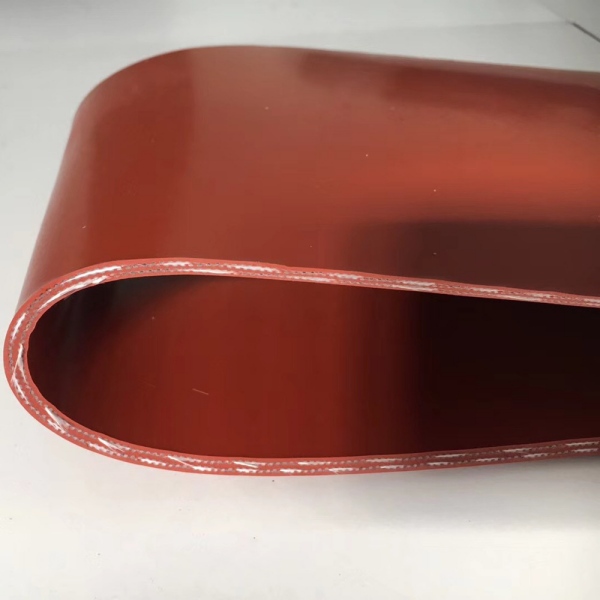
BSTFLEX supplies silicone coated fiberglass fabric in single-side and double-side configurations for industrial fabrication. Send an existing specification, drawing or sample together with the operating conditions and required quantity.
State which face needs protection, how the cloth will be fabricated and what performance the finished component must maintain. Contact BSTFLEX for fabric selection, sample options and a project quotation.

 français
 Deutsch
 русский
 italiano
 español
 português
 Nederlands
 العربية
 日本語
日本語 한국의
한국의 Türkçe
 Polski
 Tiếng Việt
 slovenský
 Indonesia