Made-to-order thermal insulation systems
BSTFLEX manufactures removable insulation blankets, jackets and covers around the equipment—not around a stock size. Send a drawing, dimensions, photographs or a physical sample. We will help define the construction, materials and fastening system for repeat removal, reliable fit and practical maintenance access.
Custom geometry: Patterns made from drawings, field dimensions, photographs or samples
Material selection: Layer choices matched to heat, environment, handling and service conditions
OEM and batch supply: Project quantities, repeat orders, private labeling and packaging discussions
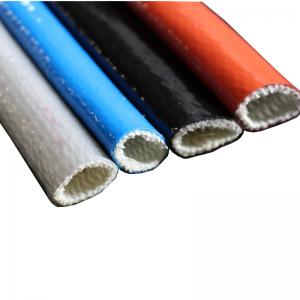
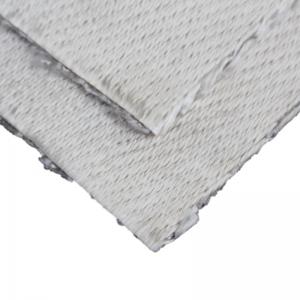
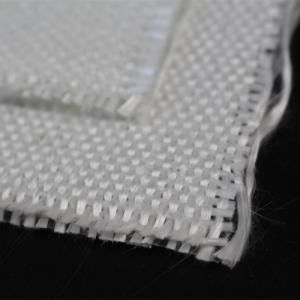
Component supply: High-temperature fabrics, insulation, threads and closure accessories
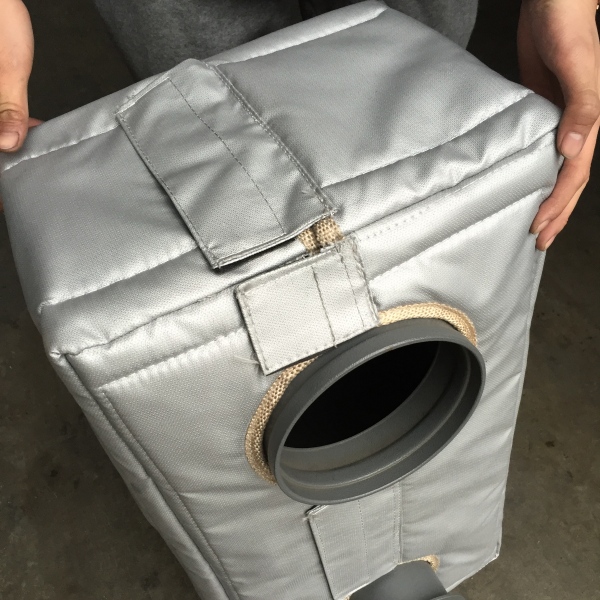
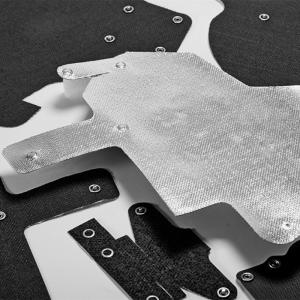
A finished jacket is only one possible deliverable. Equipment manufacturers, insulation contractors and specialist fabricators may need a complete labeled assembly, a ready-to-sew kit, or individual materials. The supply format can be set around your drawings, production process and order volume.
01 / FINISHED ASSEMBLIES
Designed for industrial components that need thermal control without permanently blocking inspection or maintenance.
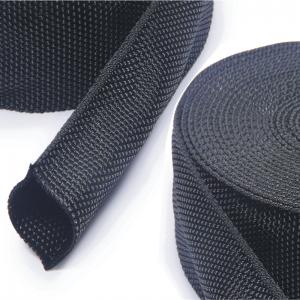
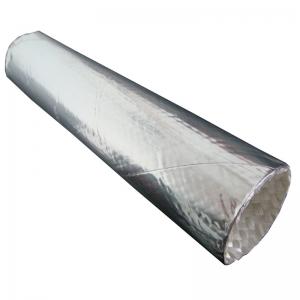
02 / MATERIALS & COMPONENTS
Buy selected jacket materials separately when your team performs cutting, sewing or final assembly.
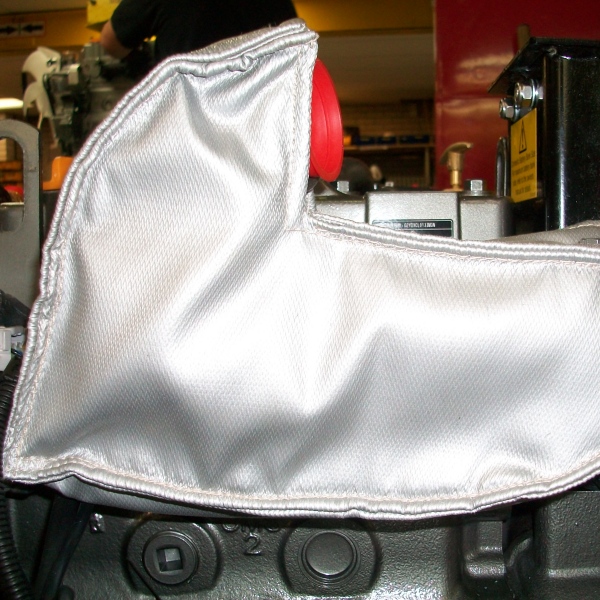
The right pattern depends on how a component is installed, where it must be opened and what interferes with removal. Flanges, supports, valve stems, sensor ports and access panels should be considered before the first piece is cut.
| Equipment or system | Common design focus | Typical purchasing objective |
|---|---|---|
| Valves, flanges and steam components | Stem clearance, bonnet access, flange edges, leak visibility and frequent removal | Reduce exposed hot surfaces while keeping service points accessible |
| Pipes, elbows and expansion joints | Segment length, overlap direction, support penetrations and adjoining insulation | Cover irregular sections that rigid or permanent insulation cannot handle neatly |
| Exhaust pipes and manifolds | High-heat face layer, vibration, tight clearances and attachment security | Manage radiant heat around engines, mobile equipment and power systems |
| Mufflers and silencers | Large diameter, end geometry, brackets, outlets and inspection access | Create a removable thermal barrier around exhaust after-treatment components |
| Turbines, generators and process equipment | Multi-piece numbering, panel sequence, lift points and complex contours | Make shutdown inspection and scheduled maintenance more manageable |
| Filters, drums, tanks and vessels | Lids, nozzles, clamps, handles, drain points and full-circumference closures | Maintain process heat while preserving access to removable parts |
| Injection and extrusion equipment | Heater-band access, cable cutouts, barrel zones and repeated opening | Limit heat loss and reduce heat exposure around production machinery |
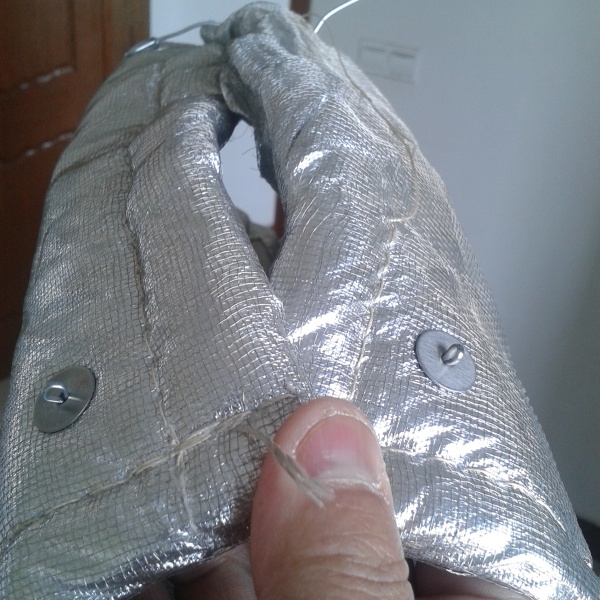
A removable insulation cover is a system of layers and details. Choosing a fabric by temperature alone can miss abrasion, oil exposure, weathering, vibration or the way maintenance crews actually remove the cover.
A / OUTER SHELL
Selected for handling, abrasion, splash exposure, outdoor service, cleanability and the required surface finish.
B / INSULATION CORE
Core type and thickness are chosen around operating temperature, heat-loss target, available clearance and blanket flexibility.
C / HOT-FACE LINER
The inner layer must tolerate the surface condition and help retain the insulation during repeated installation and removal.
D / CLOSURE SYSTEM
Straps, buckles, D-rings, lacing wire, springs, hooks or hook-and-loop are evaluated for access, heat and vibration.
Selection rule: provide the normal surface temperature and the credible peak—not just a maximum material rating copied from a datasheet. Also identify oils, fuels, chemicals, washdown, weather, vibration and how often the blanket will be removed.
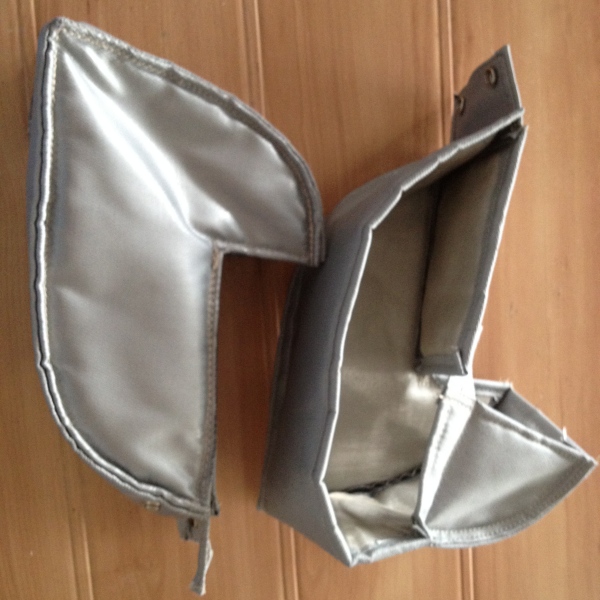
For repeat orders, the first blanket cannot remain a one-off workshop job. Field information needs to become a controlled pattern and bill of materials, so the first part fits and the same configuration can be produced again months later.
Temperature, environment, equipment, insulation objective and maintenance needs.
Drawings, measurements, photographs, 3D data where available, or a physical sample.
Shell, liner, insulation core, thread, reinforcements and closures.
Review seams, overlaps, openings, labels, removable sections and installation direction.
Prototype when needed, then manufacture against the approved configuration.
Check workmanship and key dimensions; pack and mark parts for practical installation.
A blanket can be priced quickly only when the operating conditions and geometry are clear. If some information is not yet available, send what you have and mark the unknown items.
Equipment details: Component name, drawing, photos, dimensions or sample
Temperature profile: Normal continuous surface temperature and possible peak
Service environment: Indoor/outdoor, ambient conditions, fluids, chemicals and washdown
Performance objective: Heat retention, touch protection, radiant-heat control or acoustic need
Maintenance pattern: Removal frequency, access points and preferred closure style
Commercial requirements: Quantity, sample need, labeling, packaging and delivery destination
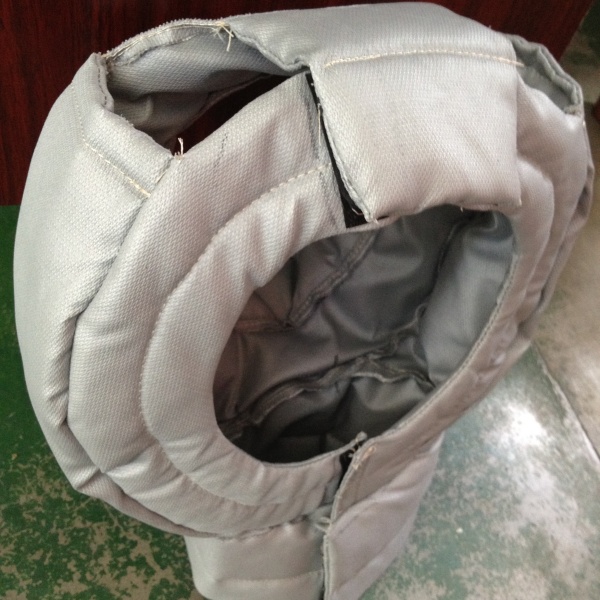
Include a scale or marked dimensions, photograph the equipment from several angles, and show every pipe, cable, bracket, handle and instrument that crosses the insulation boundary.
For complex or safety-critical equipment, final dimensions and installation details should be verified before production.
Email your project information to sales@pkfiresleeve.com
Use these pages to compare existing applications. A custom project may combine details from more than one product type, especially when equipment includes valves, flanges, instruments and removable panels in the same assembly.
Valves: Removable valve insulation jackets
Exhaust systems: Exhaust insulation blankets
Mufflers & silencers: Silencer insulation jackets
Plastics processing: Injection barrel insulation blankets
Process equipment: Filter insulation covers
Drums & vessels: Drum insulation covers
Outer shells & liners: High-temperature fabrics
These are the questions procurement teams and engineers most often need answered before a drawing review or sample order.
It is a flexible, multi-layer insulation assembly shaped for a specific component and secured with reusable closures. Unlike permanent insulation, it can be removed for inspection or maintenance and installed again.
Yes. A dimensioned drawing is preferred, but photographs, field measurements, templates and physical samples can also support pattern development. Complex geometry may require a prototype or dimensional confirmation.
Common applications include valves, flanges, pipe fittings, steam components, exhaust pipes, manifolds, silencers, turbines, generators, filters, drums, tanks and injection or extrusion equipment.
Selection begins with continuous and peak temperatures, then considers abrasion, chemicals, weather, moisture, vibration, clearance, removal frequency and the intended thermal or acoustic result.
Depending on the location, a design may use straps and buckles, D-rings, lacing hooks and wire, springs, hooks or hook-and-loop closures. The closure must suit both the temperature zone and the way technicians access the equipment.
OEM supply, project identification, repeat part references, customer-defined labels and packaging can be discussed during quotation. Provide the forecast quantity and documentation requirements so the production route can be planned correctly.
Yes. BSTFLEX also supplies selected high-temperature fabrics, insulation cores, sewing threads and fastening accessories. Availability and minimum order requirements depend on the exact material and specification.
Minor tolerance can sometimes be designed into overlaps or closures, but one universal cover is rarely the best answer for meaningfully different geometries. Separate patterns provide better fit and more predictable installation.
Key factors include overall dimensions, geometry, layer materials, insulation thickness, cutouts, reinforcements, fastening hardware, labeling, quantity and whether prototyping or special packaging is required.
Confirm the blanket identification and orientation, inspect the equipment for leaks or hazards, keep service points clear and follow the site’s installation and safety procedures. The cover should not conceal a condition that requires repair.
Request a custom insulation blanket quotation for one component, a project list or an OEM production program. Materials and components can also be quoted separately.

 français
 Deutsch
 русский
 italiano
 español
 português
 Nederlands
 العربية
 日本語
日本語 한국의
한국의 Türkçe
 Polski
 Tiếng Việt
 slovenský
 Indonesia