français
 Deutsch
 русский
 italiano
 español
 português
 Nederlands
 العربية
 日本語
日本語 한국의
한국의 Türkçe
 Polski
 Tiếng Việt
 slovenský
 Indonesia




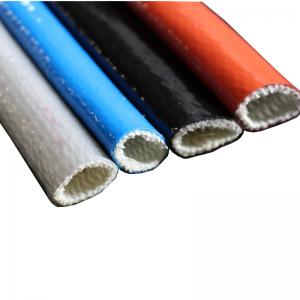
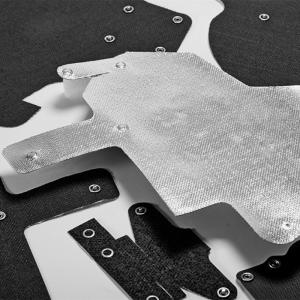
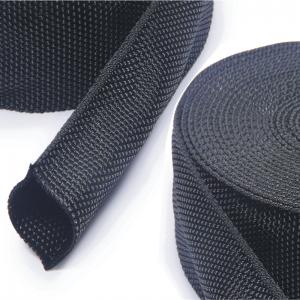
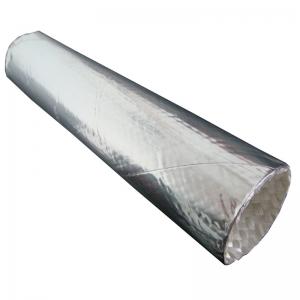
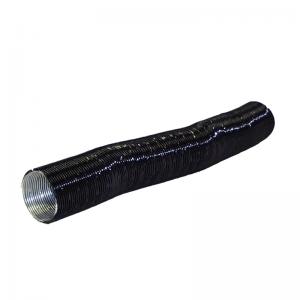
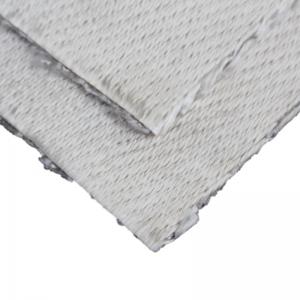
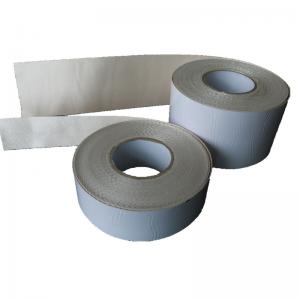
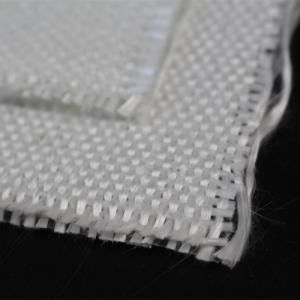
A replacement furnace door tape can match the old strip's width and still fit badly around the fixings. The missing information is often the bolt layout, the width of the central ladder section or the thickness available after the door closes.
Woven fiberglass ladder tape is a thermal textile with selected lengthwise yarns omitted from the center to accommodate fixing bolts or screws. This construction is also described as fiberglass drop warp tape or bolt-hole tape. The open weave helps with fastening, but the product name does not specify a factory-punched hole pattern.
BSTFLEX fiberglass ladder tape is supplied for industrial furnace and oven sealing details. Use the equipment drawing and a representative sample to establish how the tape will fit, be retained and contact the mating surface.
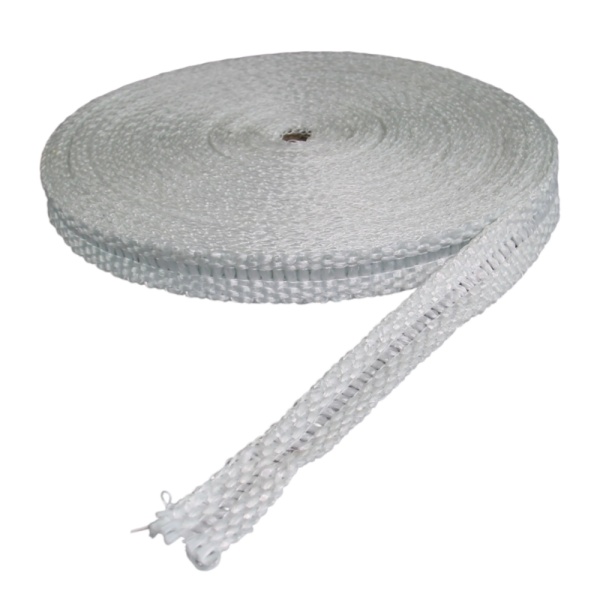
Does Ladder Tape Have a Fixed Bolt-Hole Spacing?
A drop-warp construction does not, by itself, define a fixed bolt pitch. Bolt pitch is the center-to-center distance between fasteners on the equipment. The ladder section is a feature of the textile. These are separate specifications.
The center is not necessarily an unobstructed slot: crosswise yarns can remain across the area where lengthwise warp yarns are absent. Do not interpret the visible weave repeat as a specified distance between drilled holes. Confirm the actual center construction and the manufacturer's fitting method.
The fixing zone can accommodate fasteners, but that does not guarantee a fit around every bolt diameter, spacing or offset. Where accurately located, preformed holes are required, identify that as a separate fabrication requirement for review. Do not assume a roll of ladder tape already meets it.
Measure the Fastener Layout Before Selecting the Tape
Record dimensions from the approved drawing or from the equipment after it has been made safe for measurement. Establish a datum, such as the end of a straight retaining strip, and locate each bolt center from that reference. Include the first and last fasteners, not only the repeated distance between the middle bolts.
| Measurement | Information to record |
|---|---|
| Bolt or stud diameter | The diameter that must pass through the textile, including any sleeve or shoulder in the fixing arrangement. |
| Bolt pitch and end offsets | Center-to-center distances, bolt count and the distance from each end of the strip to the nearest bolt center. |
| Fastener row position | The row's position across the contact surface. Do not assume it is centered on the available seating width. |
| Tape and center-section widths | Overall tape width, central ladder-section width and the woven material remaining on each side. |
| Contact surface and retainer | Usable seating width, retaining-strip geometry, bearing surfaces and any obstructions. |
| Thickness and door clearance | Required nominal thickness, installed thickness or compression requirement, and the clearance when the door is closed. |
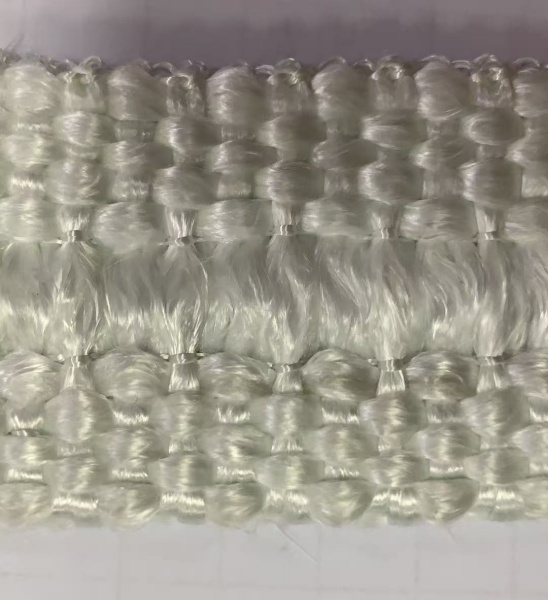
A bolt-spacing record, not a standard tape specification
Consider an illustrative 450 mm straight mounting strip with five bolt centers located at 25, 125, 225, 325 and 425 mm from one end. The layout has four 100 mm center-to-center intervals and 25 mm end offsets. This records the equipment geometry; it does not specify ladder tape supplied with pre-punched holes every 100 mm.
For unequal spacing, list every center position. For a rectangular door, dimension each side and its corner transitions. A straight-line distance across a corner is not the same as the distance along the tape's intended route.
Match the Center Opening to the Seating Area
Check the central ladder section and the woven side bands together. A wider fixing zone is not automatically better: the strip still needs adequate supported material at the intended contact surfaces. Verify that the fastener row can align with the ladder section while the woven portions remain properly seated.
Do not pull the tape sideways or stretch it lengthwise merely to make a trial sample reach the next fixing. Check whether the mismatch comes from the tape construction, an offset bolt row or the equipment dimensions. Cutting into the woven side bands to make a fastener fit should not be treated as a routine adjustment.
Review how the retaining hardware bears on the textile. The fixing arrangement should retain the intended material rather than concentrate its load on an unsupported center opening. Resolve that detail with the equipment designer before approving the tape.
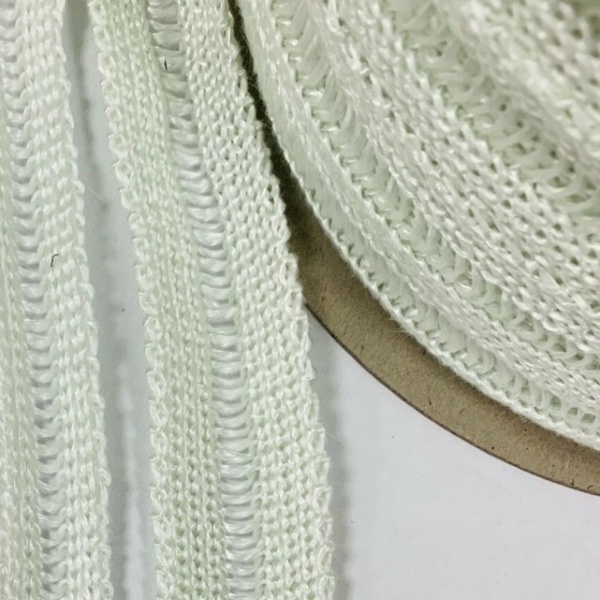
Separate Nominal Thickness from Installed Compression
A soft woven tape's nominal thickness is not necessarily the thickness in a closed, loaded joint. When comparing samples, agree how thickness will be measured and identify the required condition: as supplied, under a stated measuring load or installed in the assembly.
An old strip can help identify the route and construction, but its worn or compressed thickness is not a reliable replacement specification on its own. Refer to the original drawing or approve a trial fit where the original requirement is unavailable.
There is no universal compression percentage or tightening torque established by the words "fiberglass ladder tape." Also distinguish bolts that retain the tape from hardware that closes the door and compresses the seal. Follow the assembly's approved loading requirements; do not transfer torque values from a pressure-flange gasket table to a furnace door strip.
Installation: Check the Whole Route Before Final Fixing
Prepare the equipment and inspect the seating surfaces
Use the site's approved isolation, cooling and safe-access procedure. Secure movable doors or panels before working around them. Follow the relevant material-handling instructions when removing the old textile and preparing the new strip.
Inspect the seating surfaces, studs and retainers for damage, burrs or misalignment. Record defects that could prevent consistent contact. Do not use extra tape thickness as an unreviewed correction for a distorted frame or damaged closure.
Dry-fit a sample over several fasteners
Start from the chosen datum and check a representative length across several fixing positions before cutting the production batch. Include the most difficult section, not only an accessible straight run.
Use the supplier-approved method to fit the center section around the fasteners. Stop if the installation requires cutting supporting side yarns, forcing the tape against sharp threads or stretching it to reach the next position. Check alignment, supported width and clearance with the intended hardware in place.
Define corners, ends and joints on the drawing
A ladder section does not determine how the tape should turn around a door corner. Trial the actual radius and check for bunching, lifted edges or an interrupted contact path.
Specify whether the assembly uses separate lengths, an approved corner detail or another fabricated arrangement. Butt, mitered and overlapped joints are not interchangeable: each changes the local geometry. Do not add an overlap merely to hide a gap if the extra build-up prevents the door from closing correctly.
Secure and close using the approved procedure
After the full route fits, secure the tape using the specified hardware and assembly sequence. Verify that the tape stays seated and that retainers do not cut or excessively distort it. Close the door using its approved adjustment and loading procedure, then check the contact around the complete perimeter.
Where adhesive positioning is proposed, confirm that option and its temperature limits separately. Adhesive tack does not establish the required installed compression or replace the specified mechanical retention.
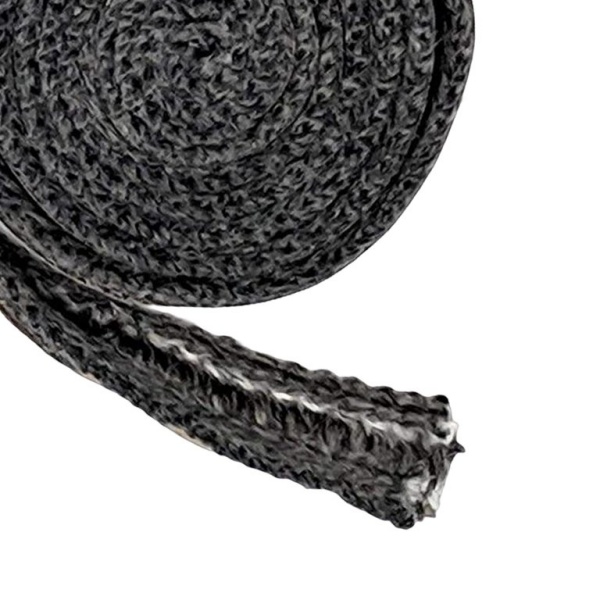
Temperature Capability Does Not Prove a Gas-Tight Seal
Confirm the service rating of the exact fiberglass construction at the tape location, including normal operation, peaks and exposure duration. The furnace setpoint alone does not establish the conditions at an external contact strip. Include process vapors, cleaning agents and any coating or adhesive in the material review.
For a gas-tight, controlled-atmosphere or pressure-containing door, use the equipment's qualified seal design and leakage criteria. A woven thermal strip should not be assumed to provide those functions simply because it withstands the temperature.
Where the confirmed fiberglass construction does not meet the required duty, review a different material rather than relying on extra thickness to raise its service limit. BSTFLEX ceramic fiber ladder tape is a separate construction to evaluate with its own reinforcement, temperature and handling requirements. It is not an automatic drop-in replacement.
Approve the Assembly Before Repeat Supply
Agree the acceptance checks before the first installation. These may include correct fastener alignment, retained position, installed thickness, unobstructed door movement and any specified thermal or leakage performance. A photograph of a neatly fitted strip does not verify every one of those requirements.
After an agreed operating cycle, inspect at a safe maintenance opportunity for movement, damaged edges and changes at corners or joins. Any adjustment or retightening should follow the equipment procedure. Record the accepted tape specification, drawing revision and installation method for subsequent orders.
Request Fiberglass Ladder Tape for an Industrial Door Assembly
The current BSTFLEX product page lists widths from 25 to 150 mm and nominal thicknesses from 1.5 to 6.0 mm. Confirm the available combination and center-section geometry for your enquiry; these ranges do not establish a standard bolt pitch or guarantee every width-and-thickness combination.
For a quotation, provide the tape dimensions, required roll or cut length, quantity, bolt layout, contact-surface drawing and operating conditions. Include the required center section, retention method, installed thickness and any sample-approval requirements. For replacement furnace door sealing tape or oven door sealing tape, add photographs and the existing part reference.
Review BSTFLEX fibreglass ladder tape for bolted thermal seals, compare the industrial high temperature tapes range, or send your door drawing and request a fiberglass ladder tape quotation.