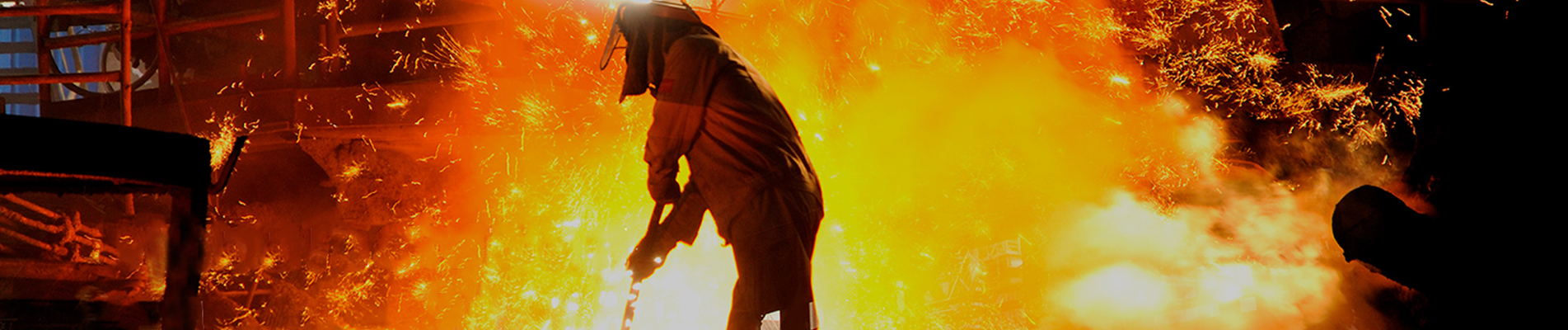
A heavy duty welding blanket should be selected for what will strike it, how long that material will remain on the surface and what needs protection underneath. Scattered grinding sparks, repeated welding spatter and a deposit of hot cutting slag are not equivalent exposures.
For demanding work, start with the exposure and the required protective function. Then specify the fabric, coating, finished construction and supporting test information. A high temperature number or a heavy fabric weight, considered alone, does not establish suitability for molten metal contact.
BSTFLEX manufactures industrial welding blankets in several material constructions, with custom dimensions and fabrication options. This guide explains what buyers should check before ordering blankets for sparks, spatter, slag and other severe hot-work conditions.
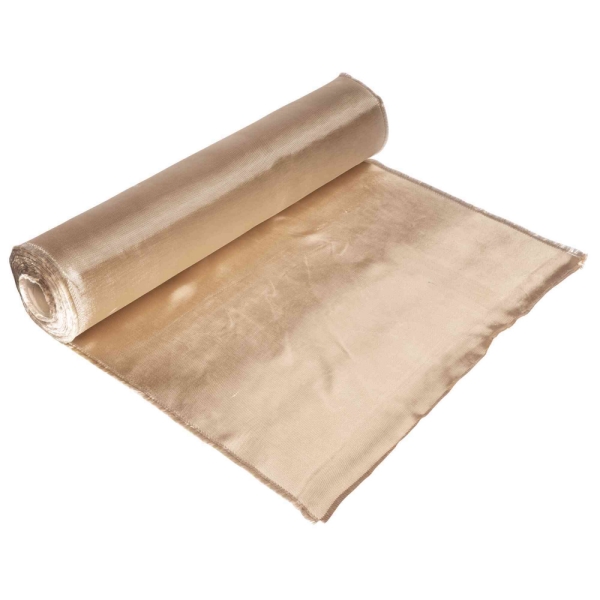
Treat heavy duty as a starting description, not a complete specification. Ask the supplier to identify the conditions for which the proposed product has been evaluated: the type of hot material, installation position, exposure duration and required protection behind or beneath the blanket.
A complete requirement also addresses mechanical service. Frequent repositioning, contact with equipment edges and repeated folding introduce demands that a temperature rating does not describe. The finished blanket needs an appropriate combination of thermal performance, fabric integrity and attachment construction.
Do not assume that two products carrying the same duty description offer equivalent protection. Compare their documented application limits and finished specifications before comparing prices.
| Exposure | What to Describe | Main Purchasing Question |
|---|---|---|
| Sparks and grinding particles | Particle stream, frequency, direction and proximity to the barrier | Is the selected construction suitable for intercepting these particles in the proposed position? |
| Welding spatter | Droplet size, frequency, workpiece material and whether deposits remain on the fabric | Has the product been evaluated for the actual spatter exposure rather than general heat resistance? |
| Hot slag or cutting debris | Process, approximate deposit size, condition on arrival and accumulation during work | Can the specified assembly resist penetration and limit heat transfer for this exposure? |
| Molten metal splash or a larger release | Metal or alloy, temperature, estimated quantity and contact duration | Does the documented application cover this event, or is a different engineered protection system required? |
Weld spatter consists of droplets of molten material ejected during welding. Welding slag is different: in flux-using processes, it forms from the flux and associated reaction products. Debris described as cutting slag may have a different composition again. Give the supplier the process and material, not just the word slag.
Spatter and molten metal are not mutually exclusive categories. A molten droplet is a form of molten-material exposure, but an intermittent droplet and a sustained spill do not impose the same load. The useful distinction is the material, amount and duration of contact.
Even a small spark can be an ignition source. Classifying an exposure as scattered sparks is not a reason to leave combustible materials or concealed openings unprotected.
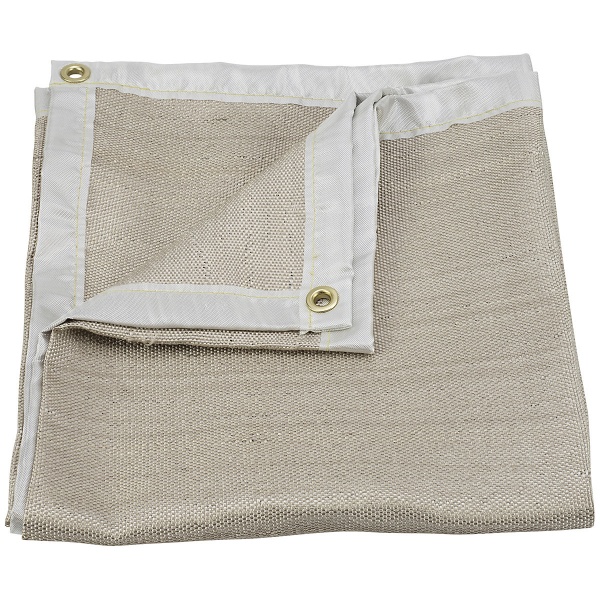
A blanket can remain visibly intact while transmitting heat to the surface underneath. For equipment protection, the absence of a hole is therefore only part of the assessment.
Ask what the available test establishes about penetration, heat transmission and the condition of the exposed fabric. Also identify the item being protected. A painted panel, cable jacket or other temperature-sensitive component may have an allowable temperature below the level that would cause ignition of a typical combustible.
For the same material and starting temperature, a larger hot deposit contains more thermal energy than a smaller one. Longer contact also allows more heat to pass into the protective assembly. These are reasons to describe deposit size and contact time rather than relying only on the temperature of the welding arc or cutting flame.
Request the product-specific service information and relevant test conditions. Do not use a fiber melting point as the working temperature of a finished blanket. Our high temperature welding blanket selection guide explains the distinction between continuous exposure, short-term exposure and coating limits.
Consider a hanging barrier beside a welding station and a cover directly below a cutting operation. On the hanging barrier, some particles may contact the surface and fall away. On the horizontal cover, hot deposits can remain in contact with the material. These installations should not be approved by transferring the same general product description from one to the other.
A draped blanket can also create pockets or folds that retain hot material. Review the actual installed shape, not simply whether the purchase order calls the blanket vertical or horizontal. Particles that fall away from a barrier still need a safely controlled destination.
Severe horizontal exposure to molten substances may require a product evaluated as a welding pad, or another protection system designed for that service. Do not assume that a blanket described as heavy duty has this capability.
Where the project requires a particular test classification or approval, verify the exact product identification, construction and permitted use. A curtain classification should not be treated as proof of suitability for severe horizontal exposure. Likewise, the word pad on a quotation does not replace supporting documentation.
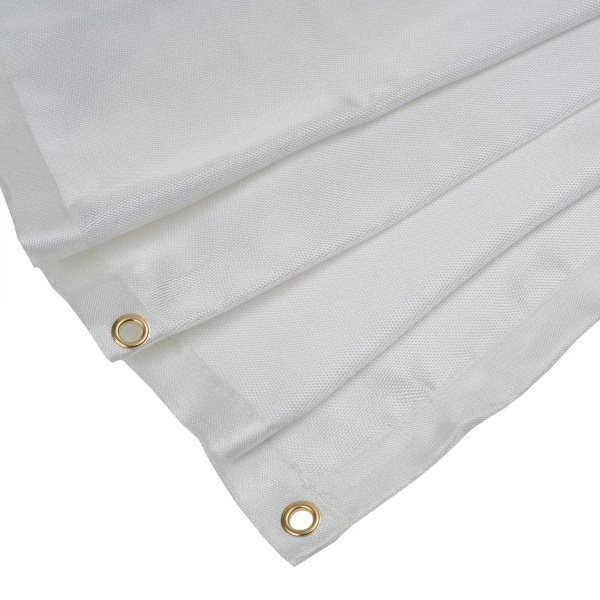
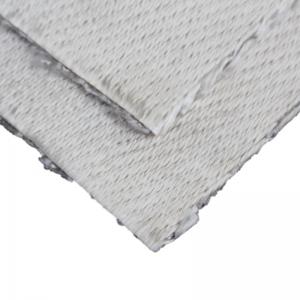
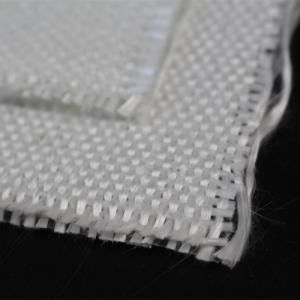
Silica fabric is a candidate for demanding thermal exposure, but silica content alone does not define the performance of the finished blanket. Review the grade, fabric weight, weave, thickness and any treatment together with the intended use.
BSTFLEX silica fabric welding blankets include different cloth constructions and custom finished dimensions. When requesting a heavy duty silica welding blanket, identify whether the exposure is intermittent spatter, retained hot slag or a different molten-material condition.
For joined panels, include the seam design in the review. A sample of unseamed cloth does not, by itself, answer every question about an assembly containing seams, hems and attachment points.
Coated fabrics allow buyers to specify surface properties as well as the underlying textile. Compare the handling and abrasion requirements with the documented capability of the selected coating and substrate.
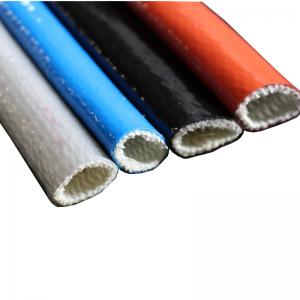
The silicone coated fiberglass welding blanket and silicone coated silica welding blanket use different base fabrics. Neither should be selected by applying the base fabric's temperature limit to the silicone surface without checking the coating specification.
The coating can have a lower service-temperature limit than the underlying textile. Its condition after the intended exposure matters, particularly when the purchase depends on retaining specific surface properties through repeated use.
For a vermiculite-coated welding blanket proposal, request the same detail: base fabric, treatment, finished weight, installation position and relevant performance evidence. A coating name is not a substitute for a documented duty requirement.
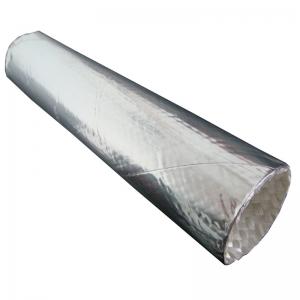
A reflective surface addresses radiant heat, which is a different problem from retained molten material. An aluminized fiberglass welding blanket should not be specified for direct slag contact merely because its surface reflects heat. Confirm whether the proposed exposure is covered by the complete laminate specification.
A carbon fiber felt welding blanket offers a different structure for conformable protection. Do not infer molten-metal containment capability from softness, thickness or an unspecified high-temperature claim. Confirm the exact fiber construction, operating atmosphere and permitted exposure.
For a broader comparison of the material families, see our welding blanket materials guide. Material selection and exposure qualification should remain separate decisions.
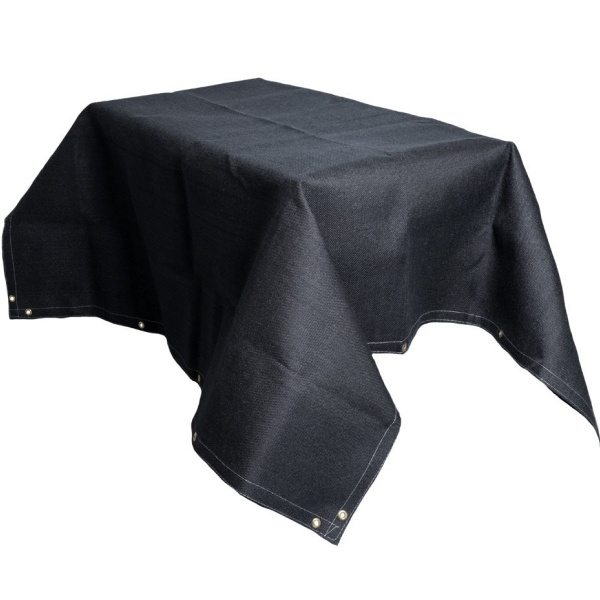
Fabric weight in g/m2 or oz/yd2 describes mass per unit area. It does not directly state resistance to a particular spatter or slag event. Thickness is another separate measurement.
When comparing quotations, ask whether the quoted weight applies to the base fabric or the finished coated construction. A higher total weight may include additional coating rather than a proportionate increase in the underlying textile.
For otherwise identical constructions, a larger blanket will weigh more overall. Include the finished panel size when reviewing handling, support and attachment requirements. Grommets and reinforced hems should be specified as part of the assembly, not treated as evidence of a thermal performance grade.
A request for a heavy duty welding blanket becomes more useful when it includes the following information. Where a value is unknown, state that it needs review rather than substituting an assumed maximum temperature.
| Specification Item | Information to Send |
|---|---|
| Process and workpiece | Welding, grinding, cutting or gouging process; metal or alloy; relevant workpiece dimensions |
| Exposure | Sparks, spatter, hot slag or molten splash; approximate quantity, frequency and contact duration |
| Installation | Hanging, horizontal or draped position; distance from the operation; photographs or a marked sketch |
| Protected item | Equipment or surface underneath; allowable temperature or damage limit where known; nearby combustible hazards |
| Finished construction | Material preference, finished dimensions, seam restrictions, edge reinforcement and attachment drawing |
| Verification | Required test method or approval, exact product identification, documentation and acceptance criteria |
| Use and purchasing plan | Frequency of handling, intended reuse, quantity by size, packaging and repeat-order requirements |
For example, describe a horizontal panel below a cutting operation separately from a hanging screen beside the same work. Identify the protected surface and whether deposits are expected to remain on the panel. This gives the supplier a defined condition to review rather than an open-ended request for the strongest blanket.
BSTFLEX can manufacture 6x6, 6x8, 8x8 and 10x10 ft blankets as well as other custom dimensions. These are size examples, not the limits of the manufacturing range or a statement of stock availability. Specify the required dimensions after hemming and sewing, together with the agreed tolerance.
Request information that connects the offered product to its claimed application. Useful documents identify the material grade, coating, finished construction, evaluated exposure and any limitations on installation or reuse.
Check whether the evidence concerns flame resistance, heat exposure, spatter penetration or protection of underlying material. These are not interchangeable results. A general flame-resistance report does not answer every question about retained molten deposits.
For a tested or approved product, verify that the supplied designation and construction match the relevant documentation. Where fabrication differs from the evaluated configuration, ask whether that difference is covered. Do not assume that adding layers, changing the coating or introducing a seam preserves the original performance classification.
When the proposed duty falls outside the available evidence, obtain a qualified application review and any necessary controlled testing before authorizing use. An improvised demonstration over production equipment or combustible material is not an acceptable substitute.
Agree inspection and retirement criteria with the supplier before placing a repeat-use order. A fixed service-life claim is not meaningful without a defined exposure and maintenance condition.
Following the site's safe shutdown and cooling procedures, examine both faces, seams, edges and attachment areas before reuse. Look for holes, thinning, brittle or cracked areas, separated coatings, damaged stitching, torn grommet locations and contamination. Remove damaged or questionable items from service for assessment.
A visual check cannot establish the remaining protective performance after every severe event. Where exposure exceeded the documented limit, or the condition is uncertain, do not return the blanket to work simply because no through-hole is visible.
Do not improvise repairs or fold an unsuitable blanket into extra layers as a way to assign it a higher duty rating. Repair methods and multilayer configurations need their own approval for the intended use.
The appropriate construction depends on the process, deposit size, contact time, installation position and required protection underneath. Silica and treated high-temperature fabrics can be evaluated, but selection should be based on documented performance for the actual exposure rather than the material name alone.
Do not assume so. A sustained spill or larger release requires a specifically engineered and verified protection arrangement. Suitability for intermittent welding spatter does not establish suitability for a ladle spill, a stream of molten metal or prolonged pooling.
Not automatically. Thickness, fiber type, surface treatment and finished construction all need to be considered. Additional thickness does not establish a tested protection level or eliminate the need to check heat transfer to the surface underneath.
Only where its documented application permits both arrangements under the intended conditions. A product suitable for vertical spark interception should not automatically be reassigned to horizontal slag exposure.
Send BSTFLEX the process, metal type, expected sparks or deposits, installation photographs, finished dimensions and quantity. Include any required test or approval documents at the inquiry stage so the proposed construction can be reviewed against the purchasing specification.
Custom requirements can include material selection, finished sizes, reinforced edges, grommet layouts and OEM packaging. Review the BSTFLEX welding blanket range or send your application details for quotation.
Welding blankets are one part of hot-work protection. The responsible site personnel must assess the work area, remove or protect combustibles, control openings and provide the required fire watch, extinguishing equipment, ventilation and personal protective equipment. A welding blanket is not a substitute for welding eye protection or an electrical insulating mat.

 français
 Deutsch
 русский
 italiano
 español
 português
 Nederlands
 العربية
 日本語
日本語 한국의
한국의 Türkçe
 Polski
 Tiếng Việt
 slovenský
 Indonesia