order(moq):
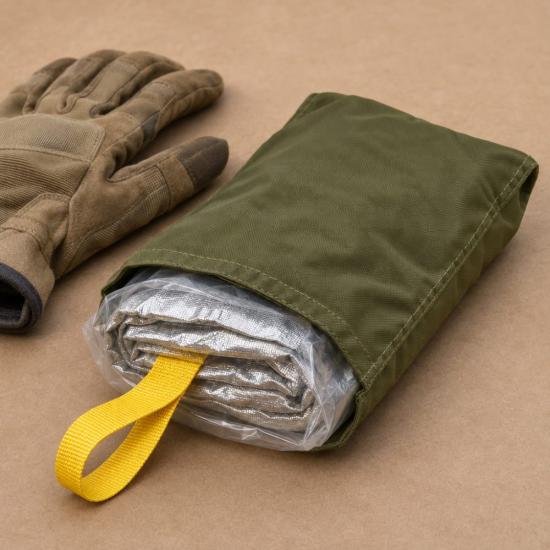
1BSTFLEX supplies custom aluminized wildland fire shelter assemblies for fire-equipment OEMs, distributors, procurement contractors, forestry organizations and training suppliers. Regular and large reference formats can be produced with customer-approved reflective materials, reinforced seams, a quick-opening package, rigid liner and carrying case. Operational projects are reviewed against the required standard, controlled drawing and finished-product verification plan; training shelters are permanently differentiated from emergency-use equipment.
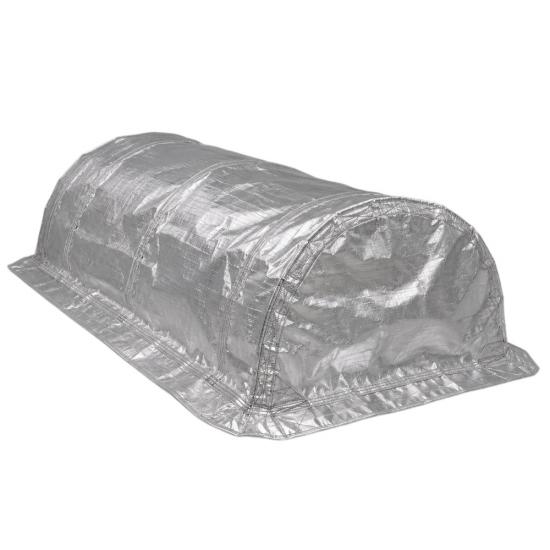
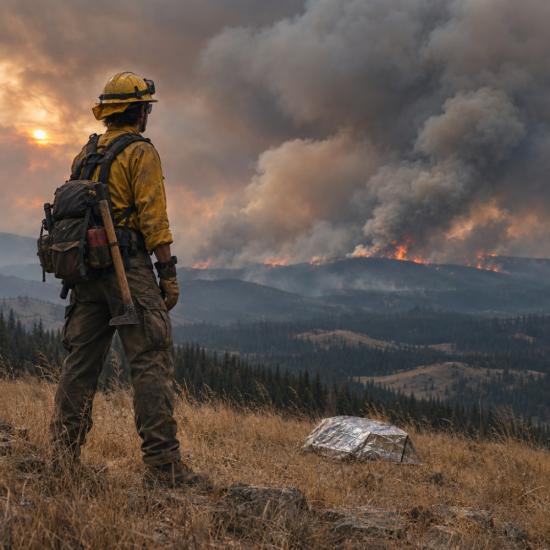
A wildland fire shelter is a compact, rapidly deployable aluminized shelter intended for emergency entrapment conditions. Its low-profile form places reflective layers between the user and the surrounding heat while maintaining a limited insulating air space within the deployed structure.
As a project-based wildland fire shelter manufacturer and supplier, BSTFLEX works from customer-approved drawings, material specifications, samples and acceptance criteria. The product can be supplied as a complete packed assembly, a sewn shelter subassembly, a practice shelter or an individual component set. Wildland fire shelter wholesale and OEM orders are quoted according to the target market, required documentation, quantity, packaging and qualification route.
The final material system must be defined by the buyer's controlled specification. A typical construction can include the following elements:
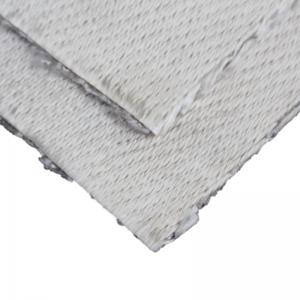
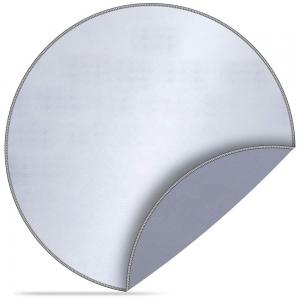
An aluminized woven silica-based composite forms the external reflective surface. The substrate, aluminum layer, adhesive or bonding system, basis weight, thickness and thermal properties must match the approved bill of materials.
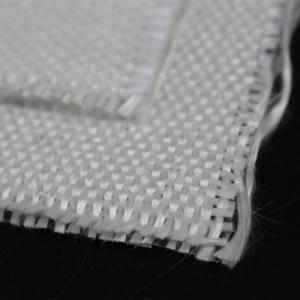
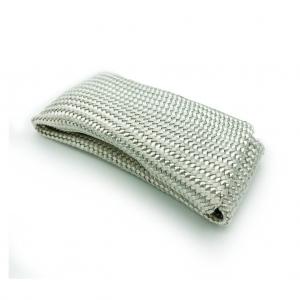
An aluminized fiberglass-based composite forms the inner layer. It provides a second reflective surface and separates the occupant from the outer shell. The exact laminate construction must be validated as part of the finished shelter, rather than judged from a material data sheet alone.
The two layers are assembled so that a controlled air gap can form when the shelter is deployed. This air space contributes to the complete thermal design, but it does not replace full-scale testing of the finished emergency fire shelter.
Top seams, end seams, perimeter seams, shake handles and internal hold-down features are produced to the approved drawing. Stitch type, thread, seam width, reinforcement tape, attachment pattern and workmanship limits can be included as production inspection points.
The aluminized fire shelter can be supplied as a complete kit or as customer-specified components. A typical project may include:
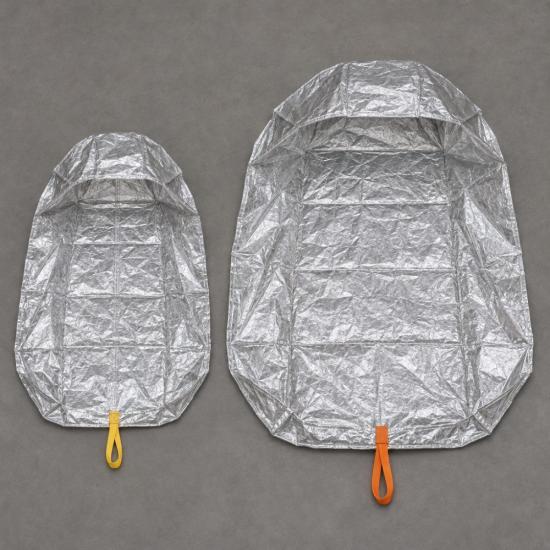
The quick-opening package is a functional part of the product. Pull force, tear direction, component retention, packed dimensions, storage behavior and label placement should be defined and checked against the approved specification.
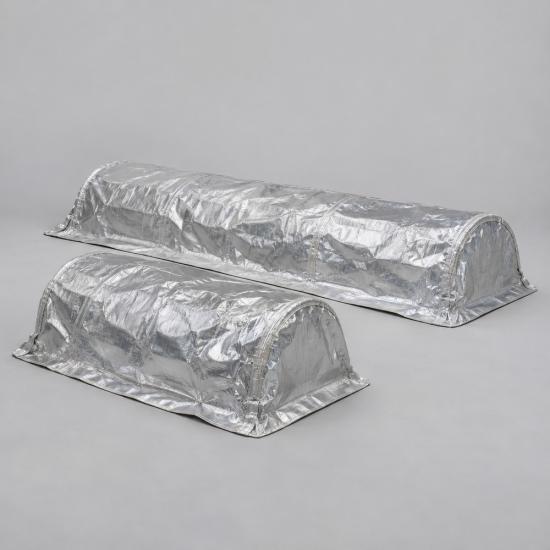
| Format | Reference Deployed Size | Typical Project Use |
|---|---|---|
| Regular |
86 × 15.5 × 31 in Approx. 2184 × 394 × 787 mm |
Standard-size reference format |
| Large |
96 × 19.5 × 33 in Approx. 2438 × 495 × 838 mm |
Large-size reference format |
| Custom | According to approved drawing | OEM, research, training or market-specific projects |
These dimensions are reference formats for engineering and quotation discussions. Final dimensions, tolerances, packed size, weight and size-selection rules are controlled by the approved order documents. A familiar shape or dimension does not establish compliance with a government or agency standard.
An operational wildland fire shelter project requires a defined market, current standard revision, approved materials, controlled drawings, qualification testing, traceability and finished-product acceptance criteria. Samples made for engineering review or laboratory testing must not be treated as field-ready equipment unless the responsible authority has completed the required approval process.
Practice shelters are used for deployment instruction and repeated drills. They must be visibly and permanently marked as training equipment and packaged so they cannot be confused with an operational shelter. A practice shelter is not fire-resistant emergency equipment and must never be carried as a substitute for a qualified operational shelter.
A custom wildland fire shelter cannot be accepted on appearance alone. Before production, the buyer and manufacturer should agree on the drawing revision, bill of materials, tolerances, workmanship criteria, inspection method and acceptance plan.
Project-specific controls can include:
A material flame test or temperature rating does not, by itself, qualify the complete shelter. Finished-product performance depends on the full construction, seams, package, storage condition, deployment and fire environment.
For an accurate quotation, send the following information:
No. Product shape, dimensions or aluminized materials do not establish compliance. A claim to USFS 5100-606E or any other standard requires the correct specification revision, approved materials and components, controlled manufacturing, required testing, certification and documentation for the exact finished shelter.
Yes. Regular and large reference formats can be reviewed, along with customer-controlled dimensions. Final tolerances, packed dimensions and weight are confirmed in the approved quotation and drawing package.
Yes. Prototype samples can be produced for construction review, packing trials and laboratory evaluation. A prototype is not approved for operational fireline use unless it has completed the required qualification and acceptance process.
Yes. Practice shelters can be developed for deployment training. They must use permanent markings and clearly different packaging so they cannot be mistaken for operational emergency equipment.
Yes. Supply scope can include aluminized fabric, cut panels, sewn subassemblies, quick-opening bags, pull straps, carrying cases, rigid liners, labels or other customer-specified parts.
No. The term “fireproof” should not be used. A fire shelter is last-resort equipment and cannot protect an occupant in every fire environment. It does not replace escape routes, safety zones, situational awareness, training or other required personal protective equipment.
A wildland fire shelter is intended only as last-resort emergency equipment. Performance depends on the complete finished design, approved materials, workmanship, storage, inspection, deployment and exposure conditions. Operational shelters must be purchased, inspected, maintained and used in accordance with the rules of the responsible authority. Training shelters must never be exposed to live fire or carried as operational protective equipment.
Send BSTFLEX the intended market, current specification, controlled drawing, target quantity, packaging requirements and verification plan. We will review material availability, manufacturing feasibility, component scope, quality-control points and quotation conditions before accepting the project.
If you have questions or suggestions, please leave us a message,we will reply you as soon as we can!

 français
 Deutsch
 русский
 italiano
 español
 português
 Nederlands
 العربية
 日本語
 한국의
 Türkçe
 Polski
 Tiếng Việt
 slovenský
 Indonesia