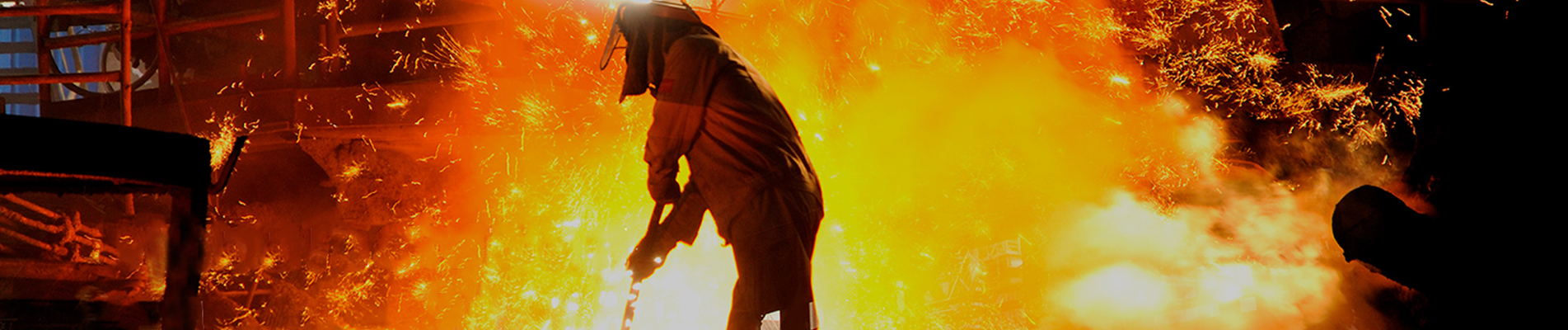
Cables and hoses used in industrial equipment, vehicles, automation systems and hydraulic machinery are often exposed to more than one type of damage. A hose may rub against a steel bracket while working near a warm engine surface. A cable bundle may pass through a narrow metal opening where heat, vibration and sharp contact occur at the same time.
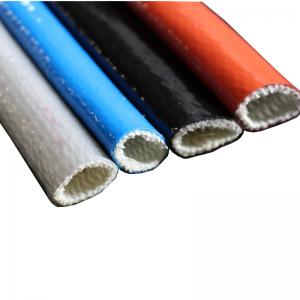
In these conditions, a basic textile cover may not be enough. A heat resistant Kevlar sleeve provides a stronger protective layer for cables, hoses, wire harnesses and tubing that need both mechanical durability and resistance to elevated temperature environments.
Made from para-aramid fiber, Kevlar sleeving is widely selected where abrasion, cutting, friction and heat exposure appear together. It is not only a covering sleeve. It is a performance protection material used to extend service life and reduce failure risk in demanding assemblies.
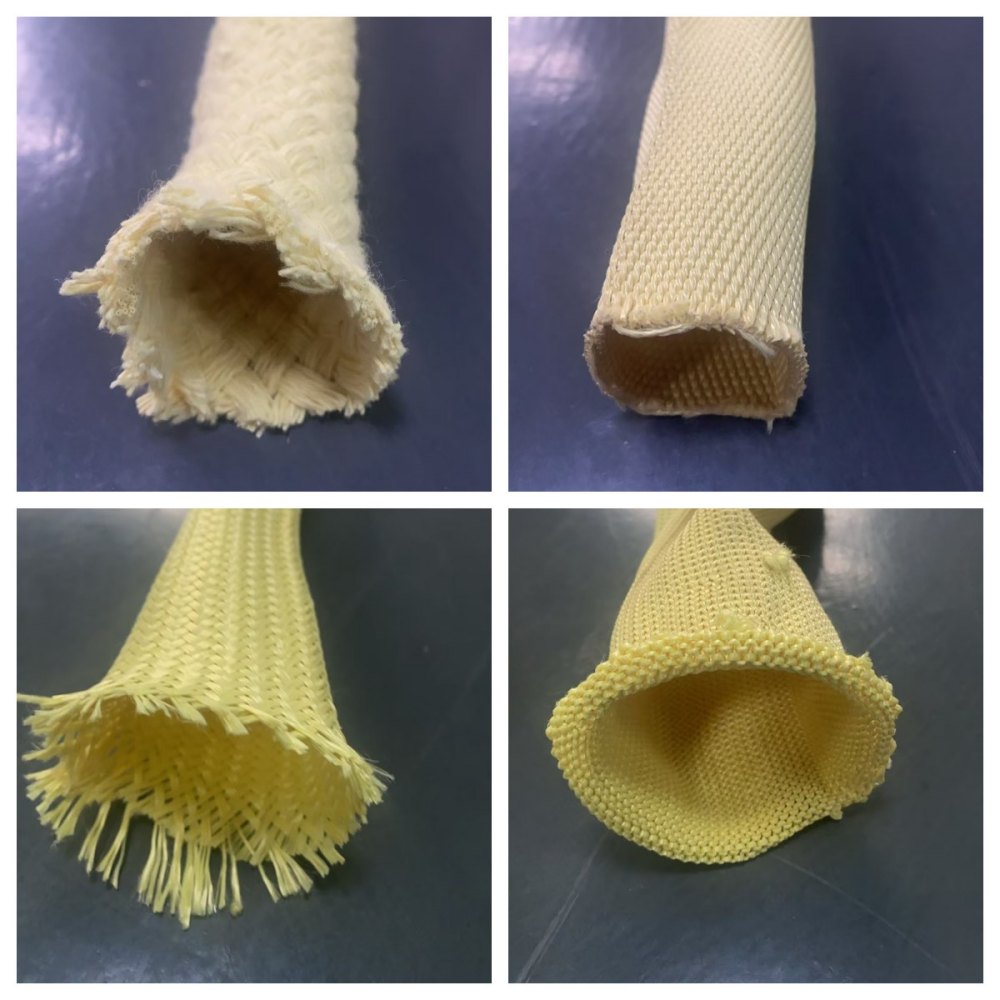
A heat resistant Kevlar sleeve is a protective sleeve manufactured from para-aramid fiber. It is designed to protect cables, hoses and industrial components from surface wear, sharp-edge damage and moderate heat exposure.
Kevlar fiber is known for high tensile strength, excellent cut resistance, good abrasion resistance and stable performance in many industrial environments. When made into sleeve form, it creates a lightweight but strong barrier around vulnerable components.
Unlike pure thermal insulation materials such as silica sleeve or fiberglass sleeve, Kevlar sleeve is usually chosen when the application requires mechanical protection plus heat resistance. Its main value is the combination of strength, flexibility and temperature tolerance.
Cables and hoses are often routed through compact spaces. During operation, they may move, bend, vibrate or contact surrounding metal parts. Without protection, the outer surface can become damaged before the cable or hose reaches its normal service life.
A heat resistant aramid sleeve helps protect against:
For OEM manufacturers and maintenance teams, adding a Kevlar protective sleeve can be a simple way to improve reliability without changing the cable or hose design.
Many buyers search for heat resistant Kevlar sleeve because they need protection near hot equipment. It is important to understand the material position correctly.
Kevlar sleeve is suitable for applications where heat exposure is combined with abrasion and cutting risk. However, if the application involves direct flame, molten metal splash, furnace insulation or extreme radiant heat, a silica, fiberglass, ceramic or silicone-coated sleeve may be more suitable.
Use Kevlar sleeve when the main risks are:
This distinction helps engineers choose the right sleeve material instead of selecting only by temperature rating.
Cable systems in machinery, vehicles, robots and control equipment can fail when the cable jacket is damaged by rubbing or cutting. Once the outer jacket is worn through, the inner conductors may be exposed to moisture, contamination or electrical risk.
A Kevlar cable sleeve adds a protective layer around cable bundles and wire harnesses. It is especially useful when cables pass through metal openings, run along machine frames or move during equipment operation.
Typical cable protection applications include:
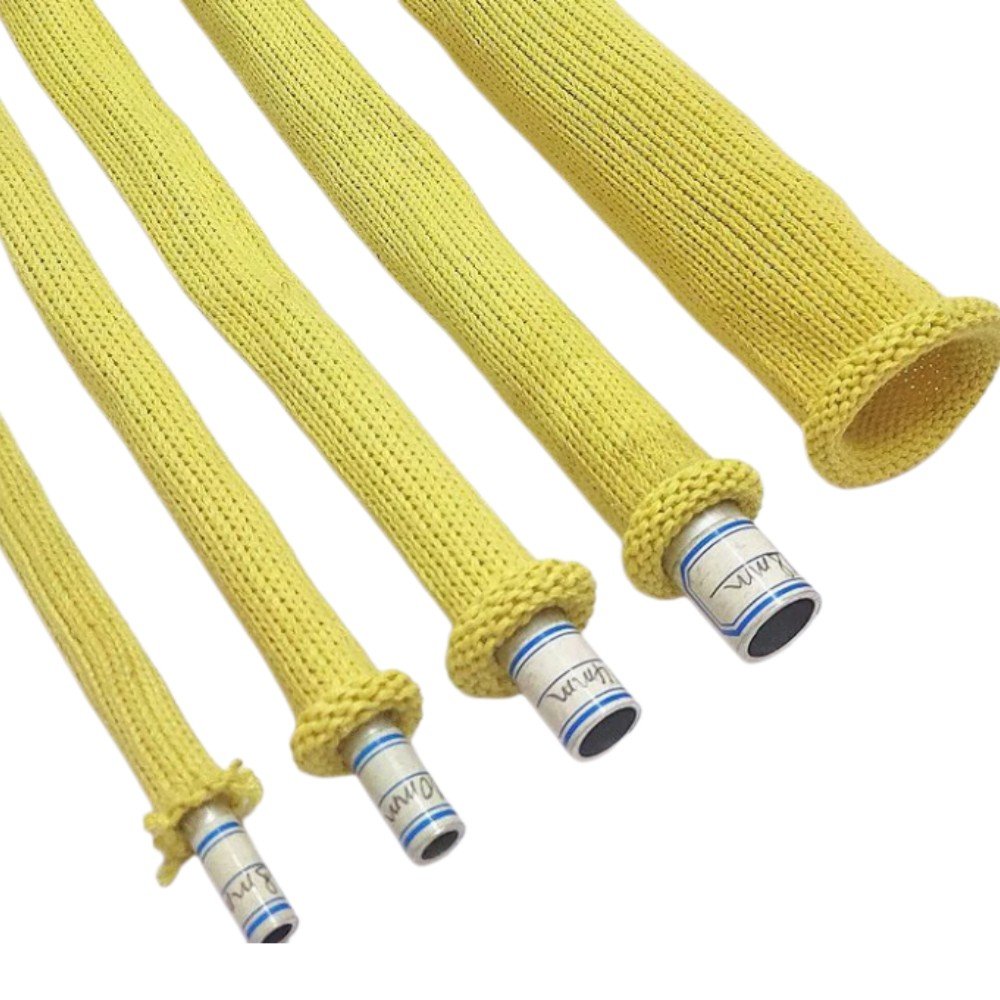
For flexible cable and wire harness protection, Knitted Kevlar Aramid Sleeve is suitable where the sleeve must bend, expand and adapt to irregular routing.
Hydraulic hoses, pneumatic tubes, rubber hoses and fuel lines often operate in areas where abrasion is unavoidable. A hose may touch a metal frame, rub against another hose or move with cylinders and machine arms.
A Kevlar hose sleeve protects the hose cover from external damage. It is commonly used where standard plastic spiral guards, nylon sleeves or basic textile covers are not strong enough for the working environment.
Common hose protection applications include:
For demanding hose protection, Braided Kevlar Hose Protective Sleeve provides a strong aramid layer for hydraulic hoses and industrial hose assemblies.
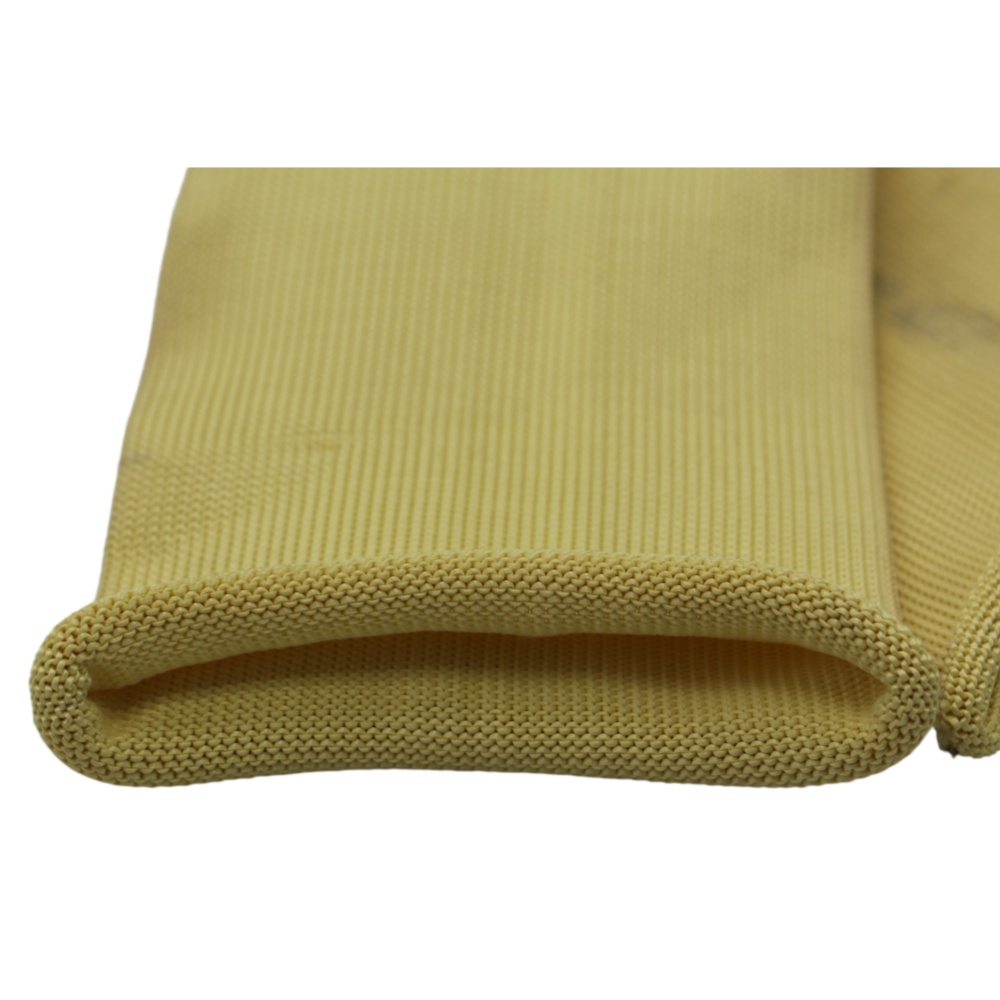
Kevlar sleeving helps resist abrasion, scuffing and cutting caused by contact with metal parts, rough surfaces and moving assemblies. This makes it useful for equipment where hose or cable failure often starts from outside damage.
Para-aramid fiber offers high strength without excessive weight. This is important for vehicles, robots and compact equipment where additional bulk can create installation problems.
Depending on the sleeve structure, Kevlar sleeves can be produced for round hoses, cable bundles, moving parts or wider protection areas. Braided, knitted and flat woven structures each provide different installation advantages.
Compared with many common textile sleeves, aramid sleeve products provide stronger resistance against mechanical abuse. This can reduce replacement frequency and improve long-term reliability.
Kevlar sleeve can be customized by diameter, flattened width, length, structure, thickness, color, roll packing, cut pieces and OEM labeling.
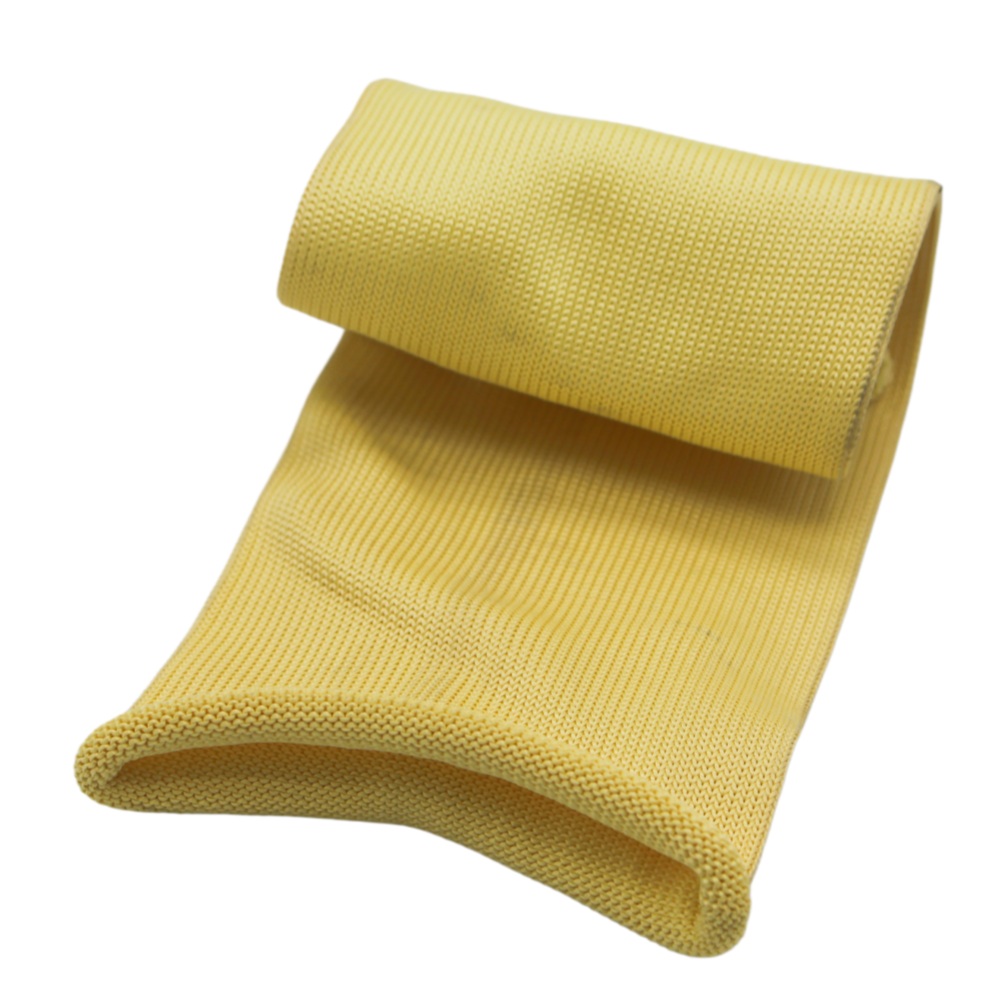
The best sleeve structure depends on the shape of the protected component and the type of damage expected.
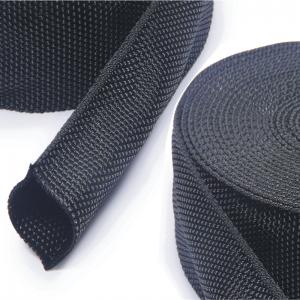
Braided Kevlar sleeve is suitable for round hoses, tubing and cable bundles that require strong abrasion and cut resistance. The braided structure provides balanced coverage around the protected component.
For high-wear environments, Abrasion Resistance Kevlar Braided Sleeving is suitable for hoses, cables and industrial components exposed to repeated friction.
Knitted Kevlar sleeve is more flexible and easier to install around irregular shapes. It is a good option for cable bundles, wire harnesses and assemblies that require movement or expansion during installation.
Recommended product: Knitted Kevlar Aramid Sleeve.
Flat woven Kevlar sleeve is used where wider surface coverage is needed. It can protect hose groups, wide cable bundles or special-shaped components where standard round sleeve is not the best fit.
PKFiresleeve supplies Flat Woven Kevlar Aramid Hose Sleeve in a flat hollow woven tape style, with flattened widths from 10 mm to 500 mm available for custom projects.
Kevlar sleeve and fiberglass sleeve are both used in protective applications, but they solve different problems.
| Item | Heat Resistant Kevlar Sleeve | Fiberglass Sleeve |
| Main Strength | Cut resistance, abrasion resistance and mechanical durability | Thermal insulation and heat protection |
| Best Use | Cables and hoses exposed to wear plus moderate heat | Components exposed mainly to high temperature |
| Mechanical Protection | Excellent | Moderate, depending on coating and structure |
| Flexibility | Flexible depending on braided, knitted or woven design | Flexible, but may be less cut resistant |
| Typical Applications | Hydraulic hoses, cables, robotic lines, wire harnesses | Thermal insulation, wire heat shielding, high-temperature equipment |
If the main problem is extreme temperature, fiberglass or silica sleeve may be better. If the main problem is cutting, abrasion and friction with moderate heat exposure, Kevlar sleeve is often the stronger choice.
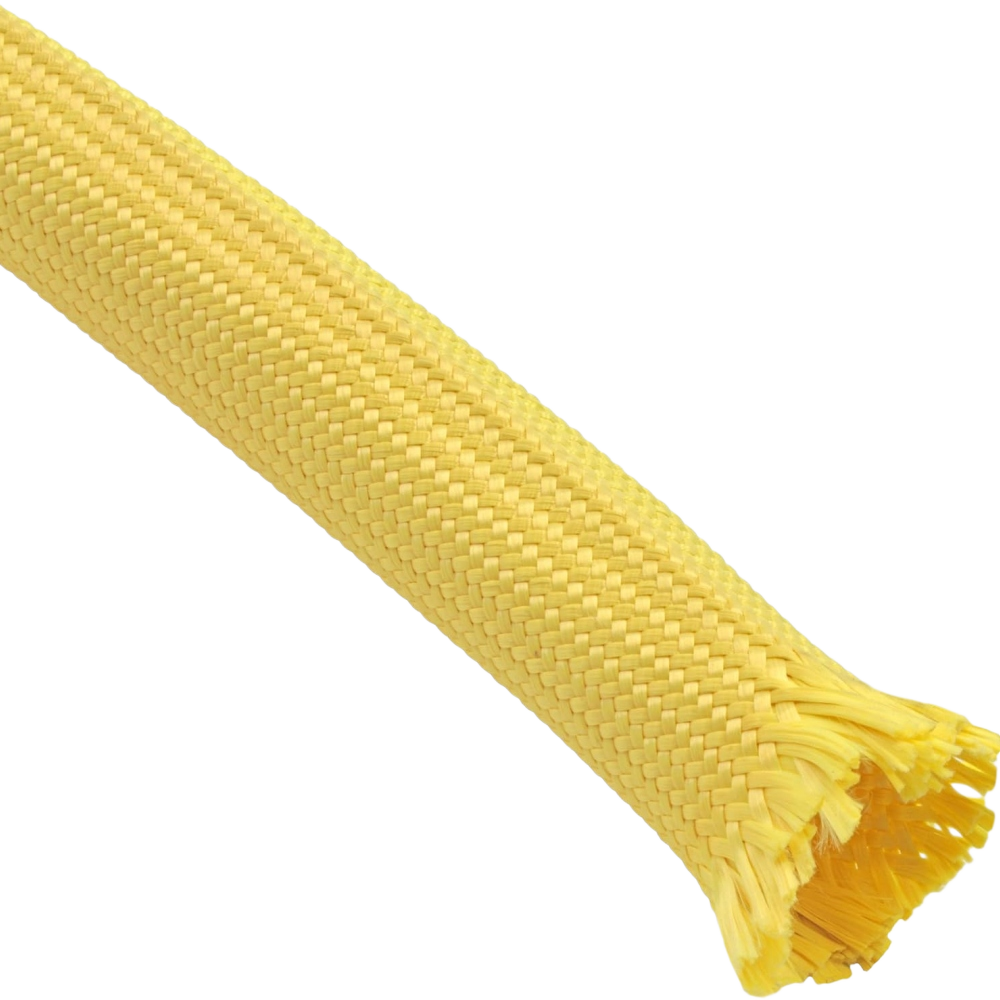
Before selecting a sleeve, buyers should evaluate the actual working condition. The right product depends on more than the material name.
Key selection factors include:
PKFiresleeve manufactures Kevlar sleeve and aramid protective sleeve products for industrial distributors, hose assembly companies, OEM manufacturers and maintenance projects.
Available options include braided sleeve, knitted sleeve and flat woven sleeve structures. Custom sizes, flattened widths, wall thickness, roll lengths, cut pieces, colors and OEM packaging can be supplied according to project requirements.
To choose the correct sleeve, provide cable diameter, hose outside diameter, working temperature, abrasion condition, installation method and required quantity. Our team can recommend the suitable Kevlar sleeve structure for your application.
A heat resistant Kevlar sleeve is used to protect cables, hoses, wire harnesses and tubing from abrasion, cutting, friction and moderate heat exposure.
Yes. Kevlar hose sleeve is widely used for hydraulic hoses that need abrasion resistance, cut resistance and mechanical protection in harsh environments.
Yes. Kevlar cable sleeve is suitable for wire harnesses, cable bundles and electrical cables exposed to rubbing, sharp edges or movement.
Kevlar sleeve is usually better for cut resistance and abrasion resistance. Fiberglass sleeve is usually better for high-temperature thermal insulation. The right choice depends on the main working risk.
Yes. Kevlar sleeve can be customized by diameter, width, length, thickness, structure, color, packaging and OEM labeling.
If you need a heat resistant Kevlar sleeve for cable protection, hose protection or industrial mechanical protection, contact PKFiresleeve with your application details.
We can supply braided, knitted and flat woven aramid sleeve solutions for OEM manufacturing, industrial maintenance and hose assembly protection projects.

 français
 Deutsch
 русский
 italiano
 español
 português
 Nederlands
 العربية
 日本語
日本語 한국의
한국의 Türkçe
 Polski
 Tiếng Việt
 slovenský
 Indonesia