order(moq):
1A reactor is rarely a simple cylinder. Agitator drives, mechanical seals, nozzles, manways, sight glasses, instruments, heating or cooling connections and bottom outlets all interrupt the vessel surface. A useful insulation system must fit around those details without obstructing operation or turning routine maintenance into a major stripping job.
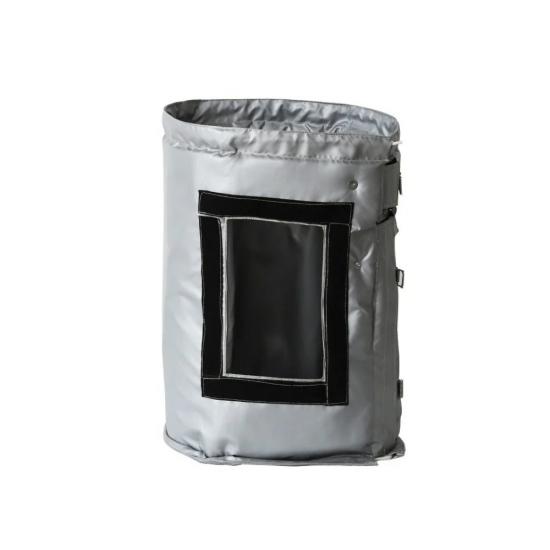
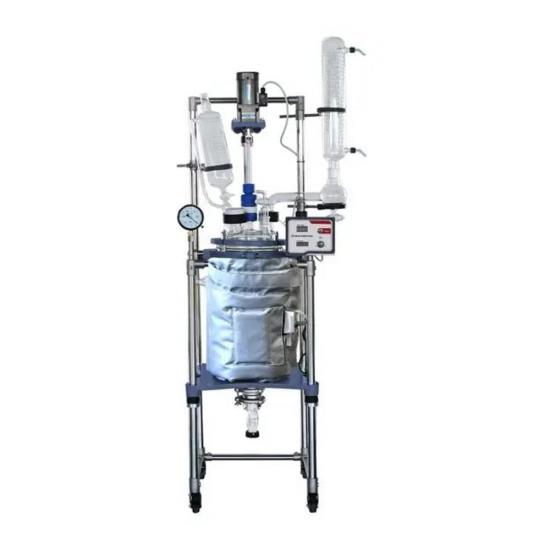
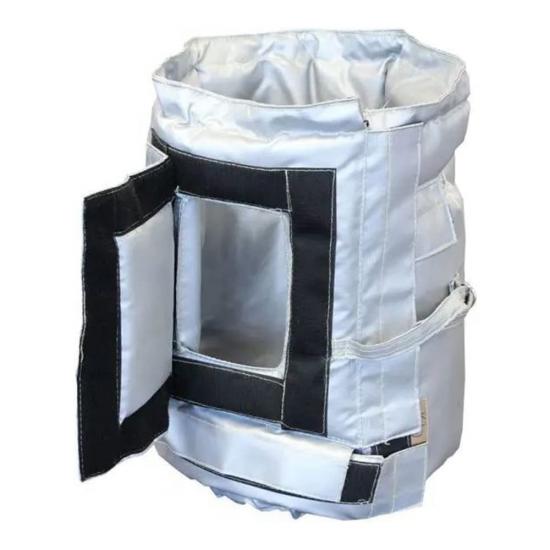
BSTFLEX manufactures removable reactor insulation jackets for industrial chemical and process equipment. The cover is divided into labeled sections that follow the shape of the reactor and can be removed independently when a specific area needs inspection. Construction is selected from the actual operating temperature, indoor or outdoor location, exposure conditions and access schedule rather than from a standard stock pattern.
The jacket is intended for external insulation of industrial reactors and reaction vessels used in chemical processing, specialty materials, resins, coatings, adhesives, food processing, pharmaceutical production and other controlled-temperature operations. Typical equipment includes agitated vessels, mixing reactors, polymerization reactors, batch reactors and jacketed process vessels.
Every application is reviewed separately. Process temperature, external surface temperature, atmosphere, cleaning method, chemical splash risk and required access frequency all affect the final design.
A generic tank blanket may cover the main shell, but it does not automatically solve the difficult areas on a reactor. The top head may carry an agitator, gearbox, seal housing, feed nozzles and instruments. The lower section may include a dished or conical head, outlet valve, load cells, legs or a support skirt. If these details are ignored, the installed cover can leave large heat-loss paths or interfere with service work.
We divide the reactor into practical insulation zones. Adjacent panels overlap where appropriate, while cutouts and removable collars fit around penetrations. The result is a system that can be opened in sections instead of being removed as one oversized cover.
| Reactor area | Typical design approach | Access consideration |
|---|---|---|
| Straight shell | Segmented wraparound panels with controlled overlaps | Keep nameplates, inspection points and connections available |
| Upper head | Shaped sections fitted around nozzles and the agitator assembly | Allow removal near seals, couplings and serviceable instruments |
| Lower head | Contoured panels for dished, hemispherical or conical geometry | Maintain access to the outlet, valve and drain area |
| Nozzles and flanges | Separate collars or small removable covers | Do not conceal joints that require inspection |
| Manway | Independent cover with its own closure system | Remove without disturbing the main shell panels |
| Supports | Cutouts and fitted transitions around legs, lugs or skirts | Avoid loading instruments, load cells and moving components |
Most removable reactor covers use an inner liner, a flexible insulation core and an outer protective layer. The materials are not fixed across every order. They are chosen as a compatible system so that the liner, thread, closures and insulation core match the conditions at their actual positions.
The liner faces the equipment surface. Fiberglass, silica or other high-temperature textile constructions may be considered according to the contact temperature, abrasion, geometry and process environment. Reinforcement can be added around edges, cutouts and repeated-access areas.
Needled fiberglass, silica and other flexible high-temperature insulation materials are available. Core type and thickness are selected from the operating condition, space allowance and required thermal performance. A thicker blanket is not automatically the best design when clearances, panel weight or access are limited.
The outer layer protects the insulation core from handling and the surrounding environment. Options can include silicone-coated fiberglass, PTFE-coated fabric, aluminized fabric and uncoated high-temperature textiles. The choice depends on moisture, oil, chemical splash, radiant heat, weather and cleaning requirements.
Closure hardware is placed where technicians can reach it after the reactor and connected piping are installed. Depending on the temperature and service environment, the design may use D-ring straps, buckles, lacing hooks, wire, springs or hook-and-loop closures. High-wear areas can receive extra fabric, webbing or protective flaps.
Hook-and-loop fasteners are convenient, but they are not selected only for convenience. Their location and temperature exposure must be reviewed. Metal fastening systems may be more appropriate near hotter surfaces or where contamination and repeated washdown are concerns.
A reactor insulation jacket should not be specified from process temperature alone. The temperature at the external vessel wall, heat-transfer jacket arrangement, batch cycle, ambient conditions, airflow and desired outside-surface target all influence performance. Please provide normal operating temperature, maximum upset temperature and any required surface-temperature or heat-loss objective.
If a calculated thermal result is required, supply the reactor dimensions, insulation space, ambient range and operating conditions. The final construction should be approved against the actual process and site requirements before production.
This product is a passive insulation jacket. It reduces heat transfer by surrounding the reactor with a removable insulation assembly. It does not generate heat and should not be described as an electric reactor heater.
When heaters, tracing cables or heating bands are already installed on the vessel, their layout, controls, sensors and allowable covering conditions must be reviewed by the responsible equipment engineer. The insulation cover must not be placed over a heating system unless that combined arrangement has been approved for the application.
The upper head often determines whether a reactor cover works well in service. The panel layout can include shaped openings and detachable collars around the agitator shaft, seal housing, drive base, temperature probes, pressure instruments, sight ports and feed connections. Components that require cooling, ventilation, movement or frequent adjustment must remain clear.
Access flaps or separate small covers can be added where operators need routine visibility. The reactor manufacturer or plant engineer should identify every component that must remain uncovered.
For reactors located in clean production areas, the external surface construction can be adapted to the site's housekeeping and cleaning procedures. Smooth coated fabrics, covered insulation edges and an appropriate closure layout may make external cleaning easier. The removable jacket is an external insulation component and is not intended for direct contact with the processed product.
Customers should provide their hygiene, contamination-control and documentation requirements before the materials and seam arrangement are confirmed.
Outdoor reactors and equipment exposed to washdown need special attention at seams, panel overlaps, penetrations and lower drainage areas. A coated outer fabric can improve resistance to weather and splash, but a removable textile jacket should not be assumed to be permanently watertight.
Identify all chemicals, oils, solvents and cleaning agents that may contact the cover. Compatibility should be evaluated for the outer fabric, coating, sewing thread, webbing and closure hardware. Unidentified chemical exposure can shorten jacket life even when the insulation core remains thermally suitable.
A fabrication drawing is the preferred starting point. When a drawing is not available, clear photographs and a complete field measurement sheet can be used. A physical sample or removable template may also help with unusual geometry.
Use fixed reference points and state the measurement units on every drawing. Photographs should show the entire reactor as well as close views of crowded areas. If the equipment has several nominally identical units, confirm whether their nozzle positions and field modifications are truly the same.
Large systems can be supplied as numbered panels. A logical identification sequence helps maintenance teams reinstall each section in the correct position after service. Orientation marks, mating references and a simple panel map can be added for complex reactor assemblies.
Remove only the sections needed for the planned work when practical. After removal, inspect the fabric for cuts, abrasion, chemical attack, contamination and damaged stitching. Check the insulation core for compression, moisture or displacement and examine all fasteners before reinstallation.
A jacket that has absorbed an unknown liquid, contacted an incompatible chemical or suffered severe heat exposure should be evaluated before reuse. Damaged panels can often be replaced individually when the original identification and dimensional records are available.
The removable cover is an external thermal insulation product. It is not a pressure-retaining component, process seal, fireproofing system, spill-containment device or substitute for equipment guarding. It must not block pressure-relief devices, vents, drains, cooling openings, rotating equipment, required labels or emergency access.
Surface temperature reduction does not by itself establish a safe-touch condition. The equipment owner is responsible for process safety, hazard review, material compatibility and approval of the installed configuration.
BSTFLEX supports replacement jackets for existing reactors, insulation sets for new equipment packages and repeat production for OEM projects. Designs can be developed from engineering drawings, field dimensions or samples. Panel numbering, customer part numbers, inspection records and special packaging can be included when agreed during quotation.
For repeat orders, controlled drawings and approved construction details help maintain consistency. Notify us of any reactor modification before reordering, including changed nozzles, instruments, platforms, guards or piping.
The basic insulation principle is similar, but reactor geometry normally requires more detailed patterning. Agitator drives, seal assemblies, dense nozzle layouts, instruments and bottom outlets often require separate fitted panels and planned access zones.
It can be patterned around the drive base and related penetrations, but moving, ventilated and serviceable components must remain clear. Provide the equipment drawing and the minimum access clearance required by the reactor manufacturer.
Yes. A modular layout can separate the shell, heads, manway, nozzles and other service areas. The exact panel divisions are agreed before production.
Yes. Dished heads, conical bottoms, rectangular process vessels and crowded penetration areas can be considered. Detailed dimensions, photographs or a physical template are important for complex shapes.
Coated fabrics can improve water and weather resistance, but seams, closures and penetrations mean the assembly should not automatically be treated as permanently waterproof. Outdoor drainage and moisture exposure must be considered in the design.
Only after the heater manufacturer and responsible engineer confirm that the heating system may be covered and define the required controls, sensors and clearances. This jacket is passive insulation and does not include an electric heating circuit.
Send the old jacket if available, together with reactor photographs and confirmation of all equipment changes. If the old cover no longer fits or has distorted, new field measurements should be taken instead of copying it without review.
Yes. After the first design is checked and approved, controlled drawings and panel identification can support repeat sets. Field differences between reactors should be confirmed before the order is released.
Send your reactor drawing, photographs, operating conditions and quantity to BSTFLEX. We will review the geometry, access points, material requirements and proposed panel arrangement before quotation.
Email: sales@pkfiresleeve.com
If you have questions or suggestions, please leave us a message,we will reply you as soon as we can!



 français
 Deutsch
 русский
 italiano
 español
 português
 Nederlands
 العربية
 日本語
日本語 한국의
한국의 Türkçe
 Polski
 Tiếng Việt
 slovenský
 Indonesia