order(moq):
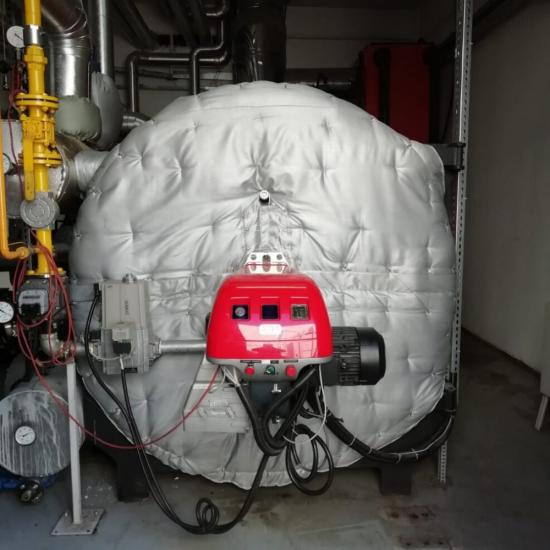
1Boiler doors and inspection areas lose heat, but they also have to open when the equipment is cleaned, inspected or repaired. Permanent insulation around these parts is often cut away during service and may not be restored correctly. A removable boiler insulation blanket provides a fitted thermal layer that can be taken off, checked and installed again without rebuilding the surrounding insulation.
BSTFLEX manufactures custom boiler insulation jackets from equipment drawings, field measurements, photographs or an approved sample. Panels are shaped for the actual door, drum end, hinge arrangement, latch position and nearby piping. The objective is reliable coverage while preserving the access and clearance required by the boiler manufacturer and the operating site.
These blankets are intended for external surfaces on industrial and commercial boilers. They can be designed for steam boilers, hot-water boilers, fire-tube boilers, water-tube boilers, shell boilers and packaged boiler equipment. Common installation points include:
Large uninterrupted casing surfaces may be better suited to permanent insulation. Removable blankets are most valuable where access, irregular geometry or recurring maintenance makes a reusable construction worthwhile.
A boiler door cover must do more than match its outside dimensions. The pattern has to account for hinges, lifting arms, latches, handles, peepholes, burner components, inspection ports and the door swing. A blanket that crosses these features can slow maintenance or become damaged the first time the door is opened.
The cover can be divided into a central panel and smaller edge pieces, or produced as a split assembly that opens around hardware. Cutouts may be finished with reinforced collars. Removable flaps can provide access to viewing or inspection points that are approved to remain beneath the insulation during operation.
| Boiler area | Blanket arrangement | Important design detail |
|---|---|---|
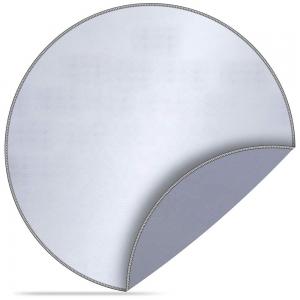
| Round boiler door | One-piece or segmented circular cover | Fit around hinges, clamps, handles and burner openings |
| Rectangular access door | Flat or box-shaped removable panel | Maintain latch movement and full door travel |
| Drum end | Contoured end cover with perimeter fastening | Allow access to manways, instruments and connections |
| Manway or handhole | Independent small cover | Remove without disturbing adjacent casing insulation |
| Header access area | Numbered modular panels | Match the inspection sequence and available working space |
| Irregular casing section | Multi-piece fitted assembly | Control panel weight and prevent interference with nearby equipment |
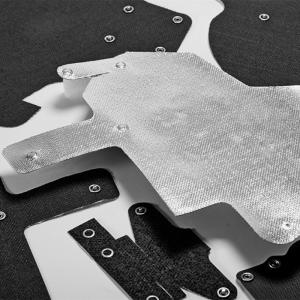
The term boiler insulation blanket is also used for rolls or sheets of uncased insulation material. This product is different. It is a finished removable assembly made to the equipment shape. A complete cover normally includes a hot-face liner, a flexible insulation core, an outer protective fabric, sewn edges, reinforcement and a closure system.
It is not a replacement for internal refractory, burner tile, door casting insulation, furnace lining or boiler door gasket. Those components operate inside the boiler or form part of the equipment seal and must be specified separately.
The liner faces the boiler surface. Fiberglass, silica and other high-temperature fabrics can be considered according to the measured contact temperature, abrasion and equipment geometry. Areas around edges, hinges and projecting hardware can receive additional reinforcement where handling is concentrated.
The core can be selected from needled fiberglass, silica and other flexible insulation materials. Core type, density and thickness depend on surface temperature, the required thermal result, available clearance and acceptable panel weight. The complete construction must be evaluated as a system rather than selecting the core from a temperature figure alone.
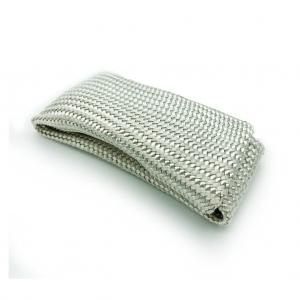
Outer fabrics can include silicone-coated fiberglass, PTFE-coated fabric, aluminized fabric or uncoated high-temperature textile. The choice depends on location, handling, moisture, oil, cleaning practice and exposure to radiant heat. A coated fabric can improve resistance to splash and weather, but seams and openings must still be considered.
Thread and closure materials are matched to their actual temperatures and loads. Options may include D-ring straps, lacing hooks, wire, springs, buckles and hook-and-loop closures where service conditions permit. Hardware should remain reachable when adjacent pipework, guards and platforms are in place.
Boiler pressure or steam rating does not by itself define the insulation jacket. The information needed for cover selection includes the external metal temperature at the proposed mounting area, normal operating condition, maximum upset condition, room or outdoor environment and the desired thermal result.
Provide measured surface temperatures whenever possible. Door edges, burner areas and casing sections may operate at different temperatures even on the same boiler. If a target outer-surface temperature or heat-loss value is required, include the ambient range, airflow and allowable insulation thickness so that the proposed construction can be reviewed.
A properly fitted boiler jacket can help reduce heat leaving an exposed hot surface and can lower the temperature presented to the surrounding work area. The result depends on coverage, operating temperature, insulation thickness, seams, cutouts, compression and ambient conditions.
Insulation does not automatically establish a safe-touch surface. Hot fasteners, uncovered penetrations and temporary gaps can remain. Site guarding, signage, work procedures and temperature verification are still required where personnel may contact the equipment.
The burner end of a boiler requires careful review. Combustion-air openings, burner fans, motors, flame scanners, fuel components, controls and cooling paths must not be restricted. The removable cover should follow clearances and ventilation requirements supplied by the boiler and burner manufacturers.
Do not assume that every exposed surface near the burner should be covered. Mark all exclusion zones on the drawing and identify components that require observation, adjustment or immediate emergency access.
Boiler installations include safety and operating devices that cannot be concealed merely to improve insulation coverage. The final blanket layout should be checked against the equipment manual and the site's inspection procedure. Depending on the boiler, exclusion or access areas may include:
An indoor boiler room and an outdoor packaged boiler expose the cover to different conditions. Outdoor projects require attention to rain entry, wind loading, panel overlaps, bottom drainage and corrosion of closure hardware. Washdown areas require compatible outer fabrics and seam placement that does not trap liquid.
A sewn removable jacket should not be represented as hermetically sealed or permanently waterproof. If water, steam leaks, oil or cleaning chemicals may contact the blanket, state the source and frequency during quotation. Wet or chemically contaminated insulation may require removal and replacement.
Equipment drawings are preferred, but clear field measurements can be used for existing boilers. Include wide photographs showing the entire boiler and close photographs of the area to be insulated. Place a measuring tape in the photograph when practical and identify the viewing direction.
Do not copy dimensions from a nominally identical boiler without checking field modifications. Burner upgrades, replacement controls, new piping and repaired doors can change the required pattern.
Multi-panel boiler covers can be supplied with durable position labels. Matching marks and an installation sketch help maintenance teams return each section to the correct location. This is especially useful on header areas or large doors where several pieces appear similar after removal.
Install the panels only when the boiler is in a condition permitted by the site's safety procedure. Fit the sections without forcing them beneath cables, tubing or controls. Close the fasteners evenly, confirm the intended overlaps and inspect every exclusion area before returning the boiler to service.
After removal, lay panels on a clean, dry surface. Inspect the hot-face fabric, outer cover, stitching, insulation core and fasteners. Look for scorching, abrasion, cuts, oil saturation, moisture, chemical attack, compressed insulation and missing hardware.
Do not reinstall a blanket that could interfere with door closure, burner operation or a safety device. Individual panels can often be reproduced from the original controlled pattern if the equipment has not changed. When dimensions or hardware have been modified, provide updated measurements before ordering a replacement.
The blanket is an external passive insulation cover. It is not boiler refractory, internal furnace lining, a pressure-retaining part, a door seal, a combustion safeguard, a fire barrier or an equipment guard. It does not correct leaking doors, damaged refractory, failed gaskets, poor combustion or unsafe boiler operation.
Any abnormal hot spot should be investigated before it is covered. The boiler owner and qualified service personnel remain responsible for equipment condition, code compliance, combustion safety and approval of the installed insulation arrangement.
BSTFLEX supplies one-off replacement covers, complete insulation sets and repeat production for boiler builders, service contractors, mechanical contractors and industrial plants. We can work from fabrication drawings, marked photographs, field measurement sheets or an approved physical sample.
Available project controls include customer part numbers, panel identification, drawing revision references, inspection records and special packaging. For repeat orders, confirm whether the boiler configuration remains unchanged before releasing production.
It can cover selected boiler casing sections, doors and end areas, but every project is divided according to access and equipment geometry. Permanent insulation may remain the more practical choice for large surfaces that do not require regular removal.
Yes. Round and rectangular door covers can be patterned around hinges, latches, handles, burner openings and viewing ports. Door movement and all required operating clearances must be provided before manufacturing.
No. This is an external finished cover with fabric layers, an insulation core and fasteners. It does not replace internal refractory, furnace lining, burner tile, door casting insulation or sealing gasket.
That depends on the door geometry, weight, hinge arrangement and equipment instructions. Many covers are designed for removal before the door is opened. State the preferred maintenance sequence so the panel layout can be planned correctly.
Yes. The design can use cutouts, reinforced openings or separate access flaps where the equipment manufacturer allows insulation around the component. Devices requiring cooling or constant visibility must remain uncovered.
They are designed for removal and reinstallation. Reuse depends on the condition of the fabric, insulation core, stitching and fasteners after service. Wet, contaminated or severely heat-damaged panels should be evaluated before installation.
An old jacket can be used as a reference when it still fits correctly. Send equipment photographs and identify any changes to burners, controls, doors or piping. Distorted or poorly fitting covers should not be copied without new measurements.
Provide the boiler drawing or detailed dimensions, photographs, external surface temperature, environment, access requirements, proposed insulation area and order quantity. Mark every safety device and component that must remain uncovered.
Send your boiler drawing, marked photographs, temperatures and quantity to BSTFLEX. We will review the panel divisions, materials, fastening method and access requirements before quotation.
Email: sales@pkfiresleeve.com
If you have questions or suggestions, please leave us a message,we will reply you as soon as we can!

 français
 Deutsch
 русский
 italiano
 español
 português
 Nederlands
 العربية
 日本語
日本語 한국의
한국의 Türkçe
 Polski
 Tiếng Việt
 slovenský
 Indonesia