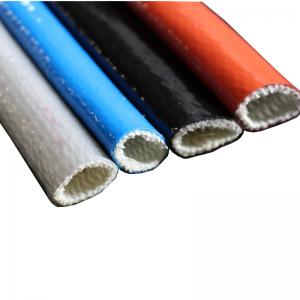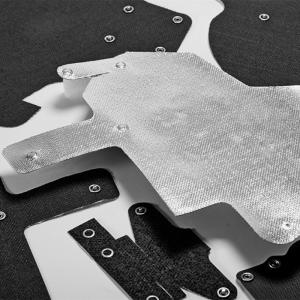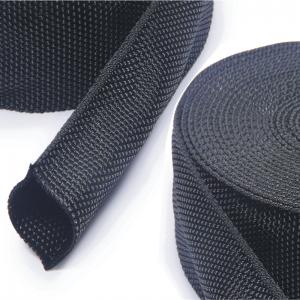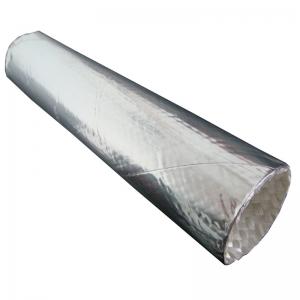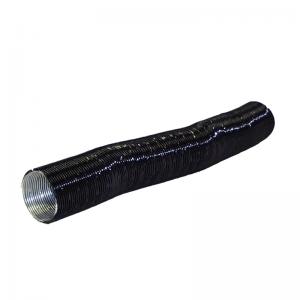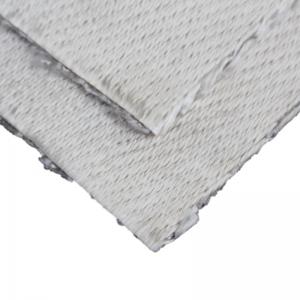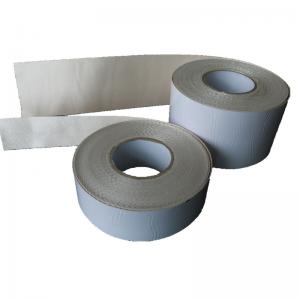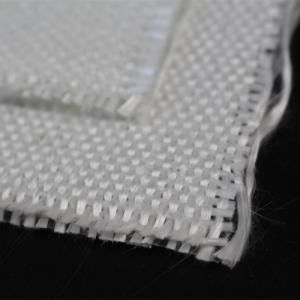
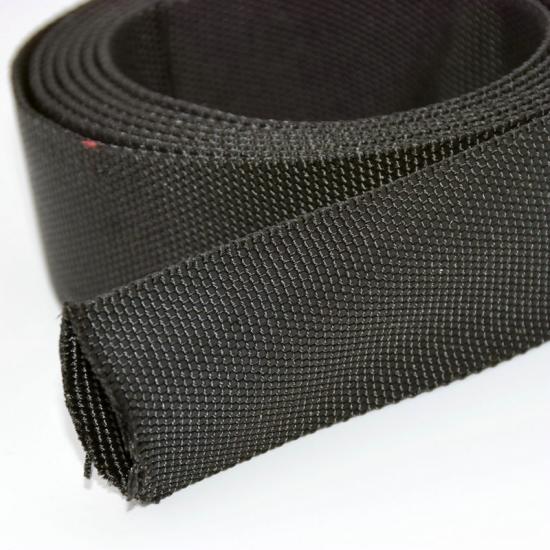
A Nylon Abrasion Protection Sleeve is a flexible, tubular sheath engineered from high-strength, durable nylon fabric. It is designed to be slipped over wires, hoses, cables, and tubing to shield them from wear and tear in demanding environments.
Its key characteristics include:
Material: Typically made from woven nylon, often with a protective coating or impregnated with substances like vinyl or PVC for enhanced resistance.
Flexibility: Despite its durability, it remains highly flexible, allowing it to conform to bends and movements without kinking or restricting the component inside.
Abrasion Resistance: The primary function is to provide a sacrificial layer that absorbs friction from rubbing against other parts, sharp edges, or contaminants.
Lightweight & Low Profile: Adds minimal weight and bulk, making it ideal for applications where space is limited.
Environmental Resistance: Many sleeves offer additional resistance to oil, chemicals, moisture, and high temperatures.
The Nylon Abrasion Sleeve is a critical component for preserving the integrity and longevity of vital systems across numerous industries. Its main purpose is to prevent failure by protecting against abrasion.
Common applications include:
Automotive & Aerospace: Bundling and protecting wiring harnesses, fuel lines, brake hoses, and hydraulic lines from chafing against the chassis, body panels, or other components. This is crucial for safety and reliability.
Industrial Machinery: Shielding electrical cables, pneumatic hoses, and hydraulic lines on robots, CNC machines, and assembly equipment from continuous wear caused by motion and vibration.
Marine and Outdoor Equipment: Protecting components from UV radiation, saltwater corrosion, and general weathering on boats, ATVs, and agricultural machinery.
Electronics and Data Centers: Organizing and protecting sensitive fiber optic cables and power cords within server racks from accidental abrasion that could degrade signal quality or cause short circuits.
General Maintenance: Used as a simple, cost-effective solution to reinforce a vulnerable hose or cable that is showing signs of wear, preventing the need for a full replacement.
In essence, it acts as a protective "armor" for critical components, ensuring operational safety, reducing downtime, and preventing costly repairs by mitigating one of the most common causes of failure: abrasion.

 français
 Deutsch
 русский
 italiano
 español
 português
 Nederlands
 العربية
 日本語
日本語 한국의
한국의 Türkçe
 Polski
 Tiếng Việt
 slovenský
 Indonesia