français
 Deutsch
 русский
 italiano
 español
 português
 Nederlands
 العربية
 日本語
日本語 한국의
한국의 Türkçe
 Polski
 Tiếng Việt
 slovenský
 Indonesia



Nylon vs Aramid Hose Sleeve for Abrasion Protection
When selecting a hydraulic hose protection sleeve for abrasion resistance, two of the most practical material directions are nylon and aramid. Both are used to protect hydraulic hoses from rubbing, dragging, vibration, and contact with hard machine surfaces, but they are not intended for exactly the same working conditions. On the BSTFLEX hydraulic hose protection range, nylon and aramid products are positioned as abrasion-focused solutions within a broader family that also includes polypropylene, polyester, fire sleeve, wrap-around thermal sleeve, and stainless steel spring guard products.
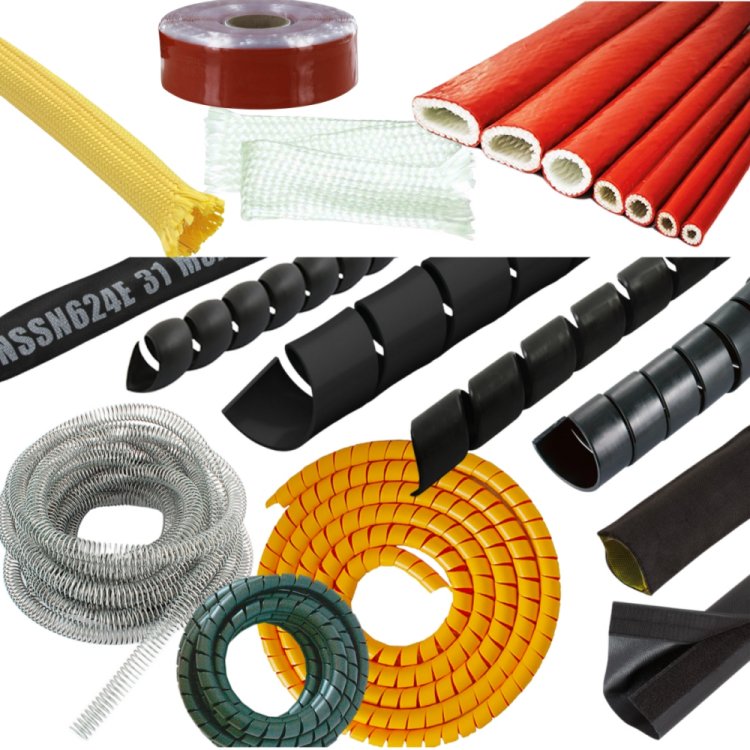
The main difference is that nylon is usually the better all-around choice for general to heavy abrasion protection where flexibility, durability, and cost-efficiency matter, while aramid is better suited to more severe mechanical wear conditions where higher strength and longer-term resistance to aggressive contact are priorities. BSTFLEX’s Nylon Sleeve Hose Guard and Braided Aramid Sleeve represent those two directions clearly.
Quick Comparison
Choose nylon hose sleeve when you need a dependable abrasion sleeve for general hydraulic hose protection, good flexibility, and broad application compatibility. Choose braided aramid sleeve when the hose is exposed to more severe abrasion, continuous vibration, and harder contact conditions that demand a stronger and more durable protective structure.
Why Abrasion Protection Matters for Hydraulic Hoses
In hydraulic systems, the hose outer cover is often the first part to fail. Repeated contact with brackets, neighboring hoses, clamps, frames, and moving parts slowly removes the outer layer. Once that wear becomes severe, hose life drops quickly and maintenance frequency rises. The BSTFLEX hydraulic hose protection category is explicitly built around this problem, presenting multiple abrasion, heat, flame, and routing-protection products for industrial and mobile hydraulic applications.
A dedicated hose abrasion sleeve works as a sacrificial barrier. Instead of letting the hose itself absorb the damage, the sleeve takes the external wear first. The right sleeve choice depends on how aggressive the abrasion really is, whether the hose is constantly moving, and whether the sleeve must be installed in OEM production or as a retrofit in the field.
What Is Nylon Hose Sleeve Best For?
Nylon Sleeve Hose Guard is positioned as a durable hydraulic hose protection product for abrasion resistance and hose wear reduction. It is well suited for applications where hoses need long-lasting protection against daily mechanical contact without sacrificing flexibility. On the BSTFLEX site, the product is presented as a hose guard solution in the hydraulic hose protection range, and the category page also lists nylon as one of the available material directions for hose sleeves.
Nylon sleeve is usually the better choice when:
- The main problem is general abrasion across the hose length
- The hose must remain flexible during movement
- You need an all-around protective sleeve for construction, agriculture, or industrial machinery
- You want a practical abrasion protection product that can fit many hose routing conditions
- The application is wear-focused rather than extreme heat-focused
In practical terms, nylon sleeve is often the better “first choice” for buyers who need a strong abrasion resistant hose sleeve without moving into a more specialized high-strength material category.
What Is Aramid Hose Sleeve Best For?
Braided Aramid Sleeve is described by BSTFLEX as a high-strength protective sleeving designed to protect hydraulic hoses from abrasion and mechanical wear in demanding industrial environments. The product page emphasizes durable aramid fiber construction, long service life, and reliable protection for hoses exposed to continuous movement, vibration, and contact with hard surfaces.
Aramid sleeve is usually the better choice when:
- The abrasion level is heavy or severe
- The hose is exposed to constant vibration and aggressive mechanical contact
- The machine operates in a harsher industrial environment
- You need a stronger protective structure than standard textile sleeves
- Longer wear life in tough service is more important than lowest material cost
In other words, aramid sleeve is often the upgrade path when general-purpose abrasion protection is no longer enough.
Nylon vs Aramid: Direct Comparison
| Comparison Point | Nylon Hose Sleeve | Aramid Hose Sleeve |
|---|---|---|
| Main Positioning | General to heavy abrasion protection | Heavy-duty abrasion and mechanical wear protection |
| Flexibility | Very good for moving hose paths | Strong structure, suited for tougher wear zones |
| Abrasion Severity | Standard industrial to heavy wear | More severe, continuous, and aggressive contact |
| Best Use Case | All-around hydraulic hose protection | Demanding industrial abrasion zones |
| Product Link | Nylon Sleeve Hose Guard | Braided Aramid Sleeve |
Which One Is Better for Hydraulic Hose Abrasion Protection?
If the question is which material is better for most everyday hydraulic hose abrasion applications, nylon is often the more practical answer. It covers a wide range of normal wear conditions and works well in many mobile and industrial systems. But if the question is which material is better for more severe abrasion and demanding mechanical wear, aramid is often the stronger choice. That positioning is consistent with how BSTFLEX describes the nylon hose guard versus the braided aramid sleeve.
The best choice therefore depends on the service environment:
- Choose nylon for broad-use abrasion protection and flexible hose routing
- Choose aramid for tougher industrial wear conditions and stronger mechanical protection
When Nylon and Aramid Are Not Enough
Some hose failure problems are not solved by abrasion sleeve alone. If the application involves high temperature or flame exposure, products such as High Temperature Protection Knit Fire Sleeve for Hydraulic Hose or Velcro Silicone Fiberglass Hose Sleeve are more appropriate. If the damage is concentrated at bends and fittings, Stainless Steel Spring Guard Hose Protector may be a better solution. Those products are all listed within the same hydraulic hose protection system on the category page.
Recommended Product Direction
For buyers comparing nylon and aramid specifically for abrasion protection, the most practical route is:
- Start with Nylon Sleeve Hose Guard for general to heavy abrasion protection
- Move to Braided Aramid Sleeve when wear conditions become more severe and continuous
- Review the full Hydraulic Hose Protection category if your application also involves heat, flame, wrap-around installation, or routing reinforcement needs
Explore Related Hydraulic Hose Protection Products
Compare more abrasion, heat, and installation options here:
Hydraulic Hose Protection Category
For product selection support, send your hose outside diameter, abrasion source, movement condition, and installation requirement via Contact Us.