français
 Deutsch
 русский
 italiano
 español
 português
 Nederlands
 العربية
 日本語
日本語 한국의
한국의 Türkçe
 Polski
 Tiếng Việt
 slovenský
 Indonesia



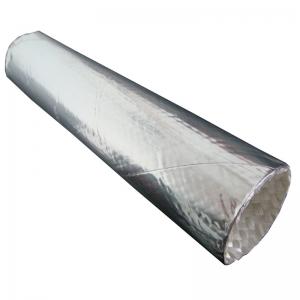
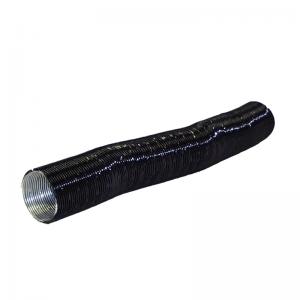
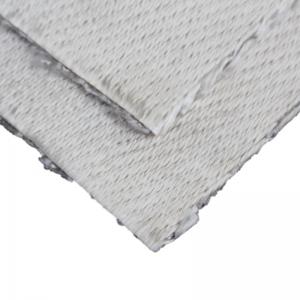
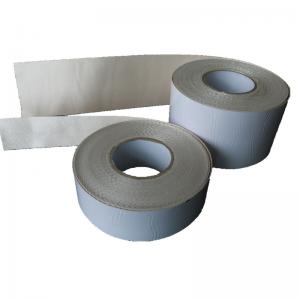
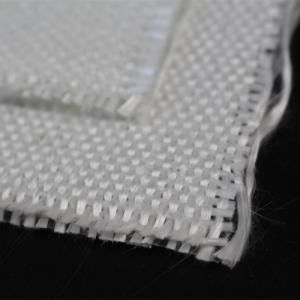
A bolted furnace cover needs more than a strip that fits around the studs. The thermal seal must remain seated, maintain the intended contact and tolerate the operating cycle. A change from fiberglass to ceramic fiber should therefore start with the duty of the joint, not simply with the highest temperature printed beside a product name.
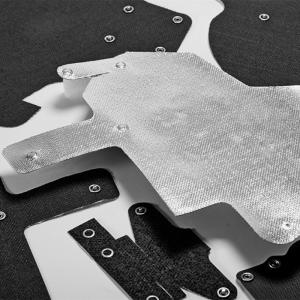
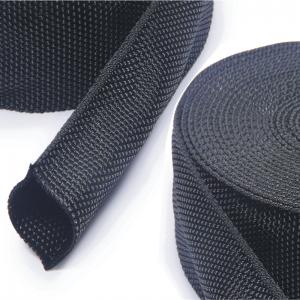
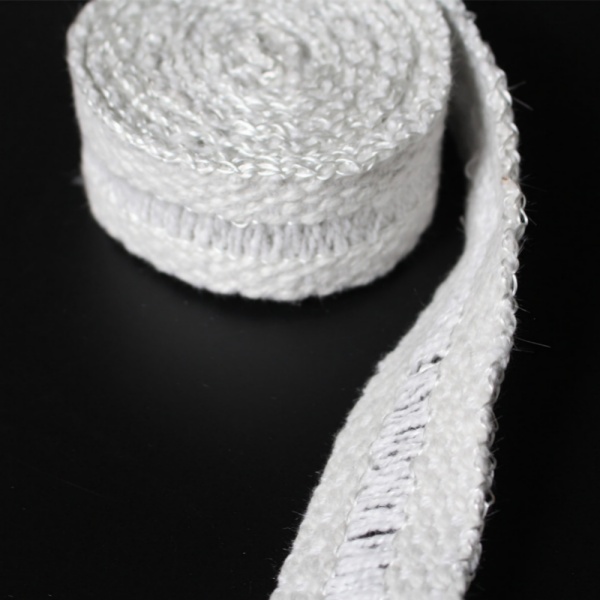
Ceramic fiber ladder tape is a woven thermal textile with selected lengthwise yarns omitted from a central fixing zone. Also called ceramic fiber drop warp tape or ceramic bolt-hole tape, it accommodates retaining fasteners while providing woven material on either side of the fixing line. BSTFLEX ceramic fiber ladder tape provides this construction for industrial insulation and thermal sealing details.
The Ladder Section Solves a Fixing Problem
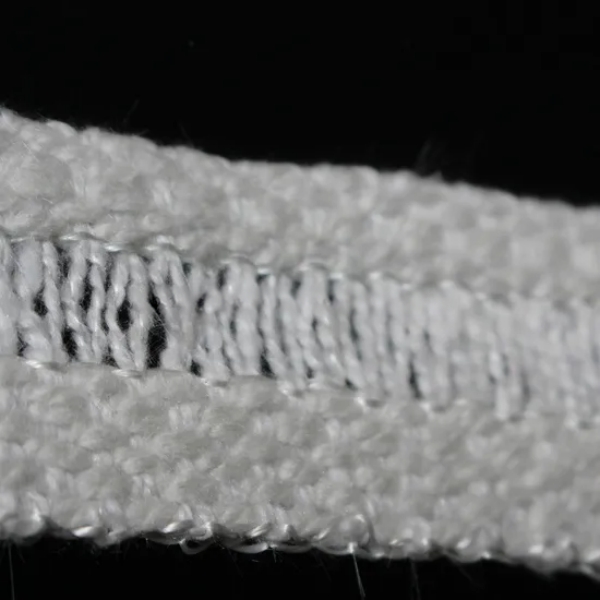
The central drop-warp section helps position the textile around screws, studs or bolts. It does not define a standard punched-hole pitch, and crosswise yarns can remain across the fixing zone. Confirm its geometry using the actual product sample rather than treating the center as an unrestricted slot.
More importantly, show where the seal is intended to contact the equipment. The fastener path and the thermal contact path are different features. Check that the woven portions sit on the intended seating surfaces and that the fixing zone does not interrupt the required contact. Where no fastener needs to pass through the textile, a plain woven ceramic fiber tape may be the construction to evaluate instead.
When Does a Ceramic Construction Make Sense?
Ceramic ladder tape is a candidate when the documented capability of a fiberglass construction does not meet the joint's thermal duty. Suitable details to evaluate include retained contact strips on industrial furnace doors, bolted inspection covers and removable panels around heated equipment. Each requires confirmation against the equipment design.
Before changing material, identify what the existing strip is failing to do. Damage from sustained heat calls for a different investigation from a strip torn by a sharp retainer. Uneven contact caused by a distorted door will not be corrected simply by changing the fiber.
Where the current fiberglass ladder tape already meets the confirmed conditions, ceramic is not automatically a better choice. Compare the required service life, handling, fit and maintenance procedure. Matching overall width and nominal thickness does not establish that two different textiles will behave identically in a compressed joint.
Read the Temperature Rating as a Construction Specification
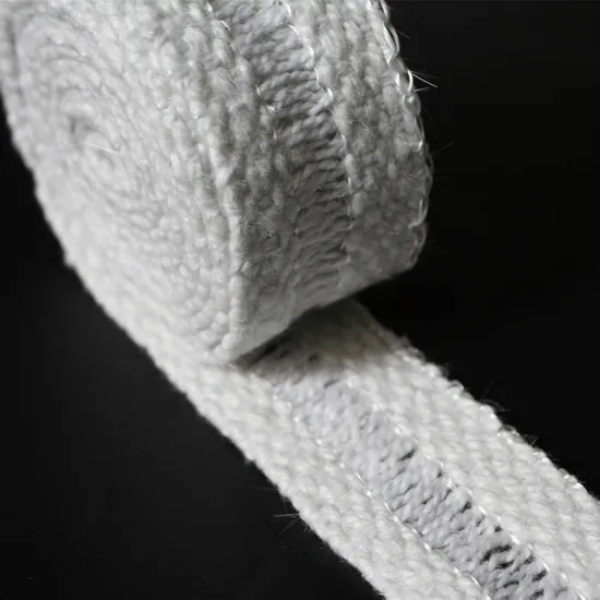
A ceramic fiber classification temperature, a finished tape's continuous service limit and a short-duration exposure limit are not interchangeable. Ask which one the quotation states. Include the temperature at the tape location, exposure duration and process atmosphere rather than supplying only the furnace setpoint.
The reinforcement also belongs in the specification. Ceramic textile yarns can contain glass filament or metallic reinforcement, with different hot-strength limitations. Confirm the reinforcement in the particular ladder tape being offered; do not assume that an option listed for another ceramic tape is available in the same ladder construction.
| What needs a limit? | What to confirm for the order |
|---|---|
| Ceramic textile | Fiber composition, construction-specific service conditions and any dimensional-change requirement after heat exposure. |
| Yarn reinforcement | Reinforcement material and the duty it must sustain while hot. Identify the alloy when metallic reinforcement is specified. |
| Optional surface treatment | Whether a coating or adhesive is actually supplied, its function and its separate service limits. |
| Installed joint | Required contact, retention, movement allowance and thermal or leakage acceptance criteria for the complete assembly. |
Reinforcement that helps during weaving and fitting is not automatically qualified to carry a sustained mechanical load at the operating temperature. Equally, a metal-reinforced tape is not a load-bearing restraint. Near electrical heating elements, include the presence of conductive reinforcement in the equipment review.
Specify the Contact Condition, Not Just the Uncompressed Thickness
For a retained thermal strip, record the nominal tape thickness and the intended installed condition separately. State whether the equipment drawing controls a closed gap, a compressed thickness or an applied load. A thickness measurement on an unloaded roll is not a complete description of the working joint.
Also distinguish hardware that holds the strip in place from hardware that closes the door. A retaining screw may locate the tape without establishing the final sealing load. The sample should be evaluated with the actual retainer, closure arrangement and seating surfaces.
Check the condition after the intended heat cycle as well as during cold assembly. Look for loss of contact, displacement and damage around the retained edges. Do not compensate for an unexplained change by adding another layer or tightening further without reviewing the joint design. The product name provides neither a universal compression percentage nor an assembly torque.
Include Initial Heating in the Material Review
Some ceramic textiles contain organic processing fibers or binders used to manufacture the yarn. Their removal during heating can produce smoke and change the as-supplied condition. Ask whether the selected tape contains these constituents and whether it is supplied heat treated.
For an enclosed process or an installation with contamination restrictions, state those requirements before sample approval. Obtain the current safety data sheet and any documented first-heating guidance. Do not assume that every ceramic ladder tape is binder-free, pre-cleaned or suitable for a smoke-restricted process.
Initial heat treatment and repeated service cycling are different checks. A sample that has completed its first heating still needs to meet the joint's contact and handling requirements. Use the equipment's approved commissioning and ventilation procedures rather than creating an improvised burn-off process.
Match the Trial to How the Cover Is Used
A cover that stays closed for long periods
Include the intended hot dwell in the evaluation. Check that the strip remains supported and that the joint meets its specified acceptance criteria after exposure. A brief heating trial does not establish performance during an extended operating period.
A door opened between production cycles
Include opening, closing and refitting in the trial. Check for dragging, displaced material and damage at the retaining points. Heat resistance alone does not establish resistance to repeated mechanical disturbance.
A joint with a defined leakage requirement
Use the equipment's qualified seal design and leakage test. A woven thermal strip should not be assumed to provide a gas-tight, pressure-retaining or controlled-atmosphere seal. Where these functions are required, the complete joint must be evaluated against those requirements, not approved from the tape's temperature rating.
Record the Acceptance Criteria Before Repeat Supply
Define what will be inspected or measured before conducting the trial. Useful items include retained position, contact continuity, dimensional condition, closure operation and any specified thermal or leakage result. A neat-looking strip is not evidence that all of these criteria have been met.
Record the sample construction, reinforcement, drawing revision, installation method and heating history. Inspect at a safe maintenance opportunity after the agreed cycle. Reuse, replacement and any adjustment should follow the approved equipment procedure; do not assume that an apparently intact strip can always be reinstalled.
Request Ceramic Fiber Ladder Tape for Your Bolted Seal
When requesting a quotation, provide the overall tape width, central fixing-zone requirement, nominal thickness, roll or cut length and quantity. Add the joint drawing, retention arrangement, installed contact requirement, normal and peak exposure conditions and maintenance cycle. Include a material specification or an existing approved sample reference when available.
Request confirmation of the fiber and reinforcement construction, applicable service data and available dimensions. Non-standard geometry, packing and supply requirements should be reviewed with the quotation rather than assumed from a general product description.
Review BSTFLEX ceramic fiber ladder tape for industrial thermal sealing, compare materials in the industrial high temperature tapes range, or send your equipment drawing and request a ceramic ladder tape quotation.