

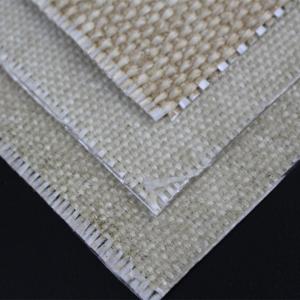
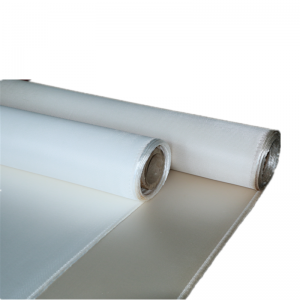
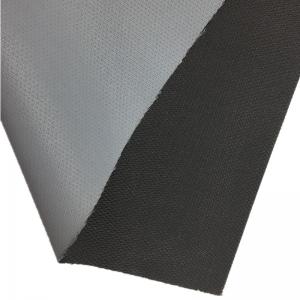
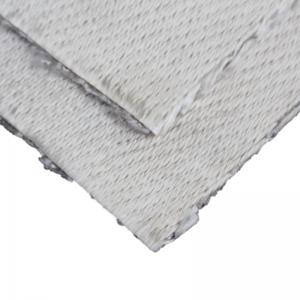
BSTFLEX vermiculite coated silica cloth combines a 96% silica fabric base with a mineral finish intended to improve abrasion resistance. Offered in 620 and 1220 g/m² constructions at a listed width of 920 mm, it is supplied for welding protection, removable insulation covers, flexible expansion joints and equipment screens. PSA backing, special thicknesses, roll lengths and packaging can be specified for quotation.
item no.:
SIF-VCorder(moq):
200m each sizePayment:
CIF, FOB, EXWproduct origin:
CHINAColor:
Silvershipping port:
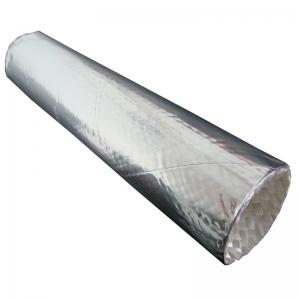
Shanghai, NingboBSTFLEX SIF-VC vermiculite coated silica cloth is a roll material for manufacturers of welding blankets, industrial curtains, removable insulation covers and flexible thermal protection components. It combines a 96% silica fabric base with a vermiculite finish intended to improve surface abrasion resistance.
The range includes two listed fabric constructions and an optional pressure-sensitive adhesive backing. Select the fabric by its weight, thickness and required finish, then specify the roll dimensions and fabrication requirements for your order.
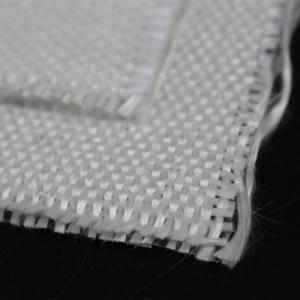
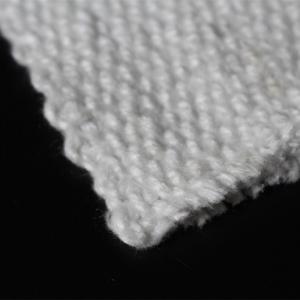
The woven silica textile forms the body of the material. The vermiculite treatment adds a mineral-containing finish to its surface. This construction is intended for parts that need a high-temperature textile with additional resistance to surface wear.
The 96% silica designation refers to the base fabric, not the silica percentage of the entire coated or adhesive-backed product. Coating and adhesive are separate parts of the finished construction and should be identified separately on a purchasing specification.
Compared with ordering plain silica cloth, the important additional requirement is the finish: which surfaces are treated, the condition of the coated face and how the material behaves in the intended cut, fold and seam. These details should be agreed against the sample selected for production.
| Product code | Fabric weight | Thickness | Listed width |
|---|---|---|---|
| SIF-VC-0.75 | 620 g/m² | 0.75 mm | 920 mm |
| SIF-VC-1.3 | 1220 g/m² | 1.30 mm | 920 mm |
These are nominal catalogue values. Dimensional tolerances, usable width, roll length and the weight basis for the ordered finish are to be stated in the quotation. For a PSA-backed version, also confirm whether the specified weight and thickness include the adhesive and release liner.
For the 0.75 mm construction: compare its lower fabric mass and thickness with your part's requirements for handling, folded edges and overlapping seams. Trial the intended cut pattern rather than choosing on weight alone.
For the 1.30 mm construction: allow for the greater thickness through hems, reinforced areas and multilayer seams. Selecting the heavier fabric does not, by itself, establish a higher working-temperature limit or a guaranteed increase in service life.
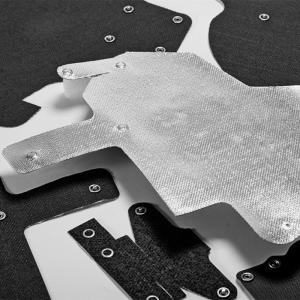
Use vermiculite coated silica fabric as a material candidate for cut-and-sewn welding protection, equipment covers and hot-work curtains. Include the intended orientation, exposure distance and type of sparks or spatter in the specification. Edge finishing, seams and suspension details belong in the finished-product design; the roll fabric is not a certified finished welding blanket.
SIF-VC can be evaluated as a textile layer in removable insulation assemblies. Identify its position relative to the hot surface and insulation core, together with the expected temperature at that layer. Where maintenance requires repeated removal, specify the folds, seams and attachment areas that must remain usable after service.
The fabric is also listed for use in flexible expansion joints and gaskets. For these applications, define the role of the textile within the complete construction. Movement, clamping, gas exposure and any sealing requirement need to be assessed separately; the material name alone does not establish a pressure or leakage rating.
For a fabricated screen or cover, provide the opening size, fixing arrangement and access requirements. Select the construction around the actual panel geometry and exposure conditions. A representative drawing helps distinguish a simple cut panel from a component requiring reinforced edges, overlaps or repeated folding.
The published SIF-VC material specification lists a working-temperature reference of up to 1000°C (1832°F). Use this as a material-selection reference, not as approval of every coated, adhesive-backed or fabricated assembly at that temperature.
For the ordered construction, establish the temperature at the fabric, exposure duration, thermal cycling and the condition required after cooling. Assess the base cloth, finish, any adhesive and the assembled component separately. A higher melting-point figure is not a working-temperature allowance.
The silica fabric temperature-selection guide explains how continuous exposure, brief peaks and individual material layers should be distinguished.
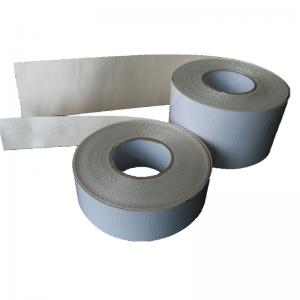
A PSA-backed version is available on request for projects that need an adhesive layer during positioning or assembly. State whether the backing is intended as an installation aid or whether lasting adhesion is part of the service requirement.
The adhesive has its own operating limits. Do not apply the silica cloth temperature reference to the bond line. For a bonded installation, provide the substrate material, expected interface temperature and the required retention method. The quotation should identify the adhesive-backed construction separately from the version without PSA.
Choose this finish for a project that calls for vermiculite-treated high silica fabric or where surface wear is a defined concern. Compare it with uncoated 96% silica fabric when the surface treatment is not yet specified.
Keep the comparison tied to the part. Inspect cutting, sewing and handling with the intended base construction, and set separate requirements for abrasion, seam performance and thermal exposure. An improvement in one property should not be treated as proof of all three.
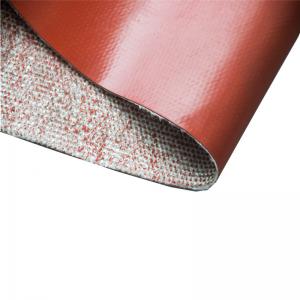
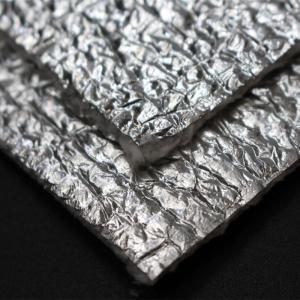
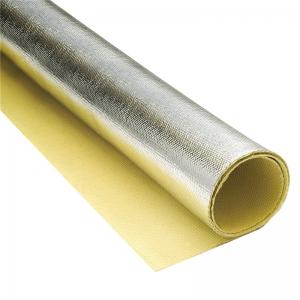
For a project requiring a different surface function, the silica fabric material range also includes silicone-coated, aluminum-coated and adhesive-backed options.
BSTFLEX supplies this material for industrial conversion and OEM purchasing. Special thickness, roll length and packaging requests can be reviewed against the required quantity and application. Confirm the selected construction and supply details before placing a production order.
For a new part, request a sample of the intended finish and assess it through the actual fabrication route. For a repeat order, reference the approved sample and agreed specification, including usable width, dimensional tolerances and backing requirement.
Anhui Parker New Material Co., Ltd. provides OEM and custom manufacturing support for high-temperature protective textiles. Send a drawing when the requirement extends beyond roll goods to a fabricated component; material selection and finished-part approval should be handled together.
| Order information | Details to provide |
|---|---|
| Fabric construction | Product code, weight, thickness and required tolerances. |
| Finish and backing | Required treated faces; with or without PSA; adhesive function where applicable. |
| Supply dimensions | Usable width, roll length or part drawing, quantity and packaging requirements. |
| Service conditions | Temperature at the fabric, exposure duration, heat source, movement and contact conditions. |
| Acceptance requirements | Required sample, inspection criteria and any project-specific test or documentation. |
Pricing, minimum order quantity and delivery arrangements are confirmed for the requested specification. Where a test report or certification is required, identify the standard and finished construction before material approval.
Request a vermiculite coated silica cloth quotation with your product code or drawing, required dimensions, backing option and quantity. For replacement work, include a sample reference or photographs of the existing material and installation.
Img


If you have questions or suggestions, please leave us a message,we will reply you as soon as we can!

 français
 Deutsch
 русский
 italiano
 español
 português
 Nederlands
 العربية
 日本語
 한국의
 Türkçe
 Polski
 Tiếng Việt
 slovenský
 Indonesia