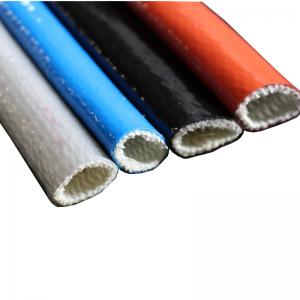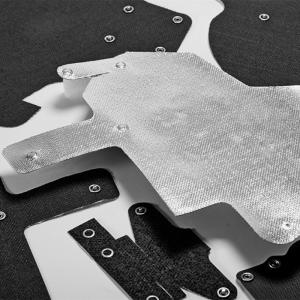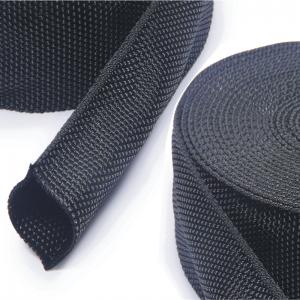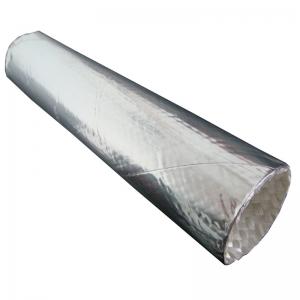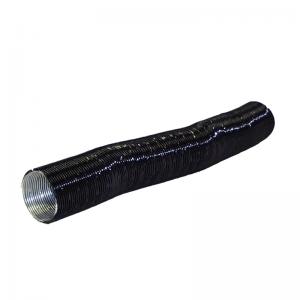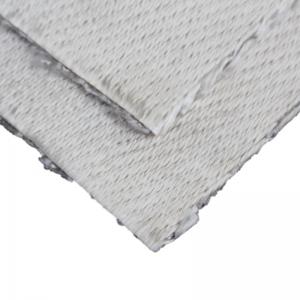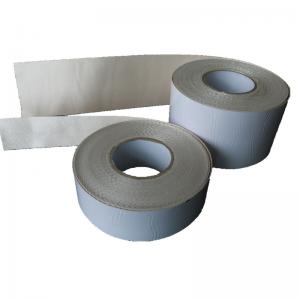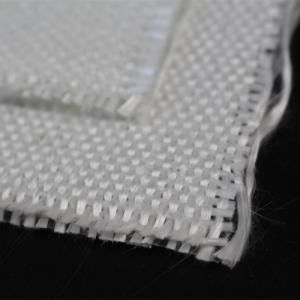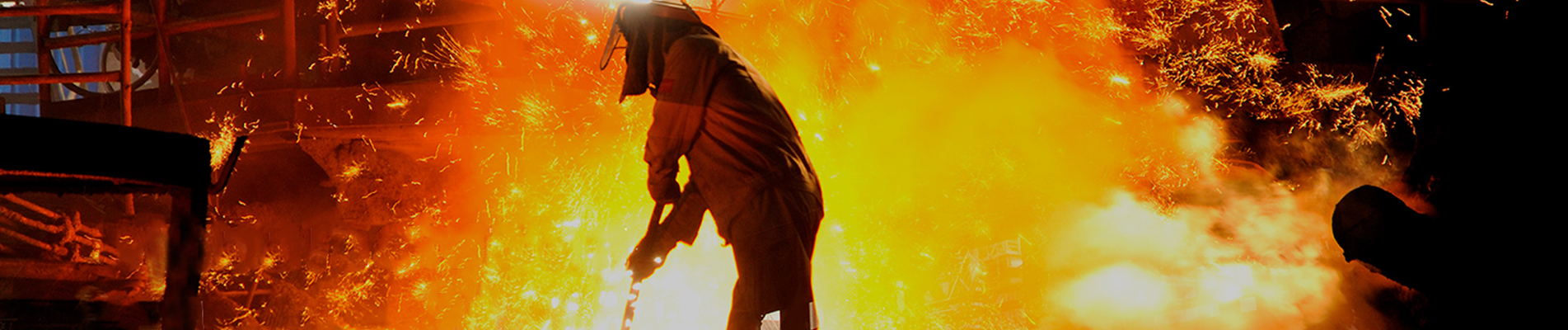
Silica fabric is a flexible woven textile developed for applications where heat, flame, radiant energy or prolonged exposure to elevated temperatures would quickly exceed the practical limits of many conventional fabrics.
It is commonly used in welding protection, furnace insulation, foundry operations, exhaust systems, removable insulation covers, thermal curtains, expansion joints and other industrial heat-control systems.
Unlike rigid refractory materials, silica cloth can be wrapped, cut, sewn and fabricated into complex shapes. That makes it particularly useful where thermal protection must follow pipes, equipment housings, exhaust components or irregular industrial surfaces.
Silica textiles are available in different silica contents, fabric weights, weave constructions and surface treatments. As a result, the term silica fabric describes a family of high-temperature textiles rather than one single specification.
Common industrial search terms for these materials include silica cloth, silica textile, woven silica fabric, high silica fabric, high silica cloth, silica fiber cloth, silica fibre cloth, high temperature silica fabric and high temperature silica cloth.
Understanding these differences is important before specifying a material for a thermal protection system.
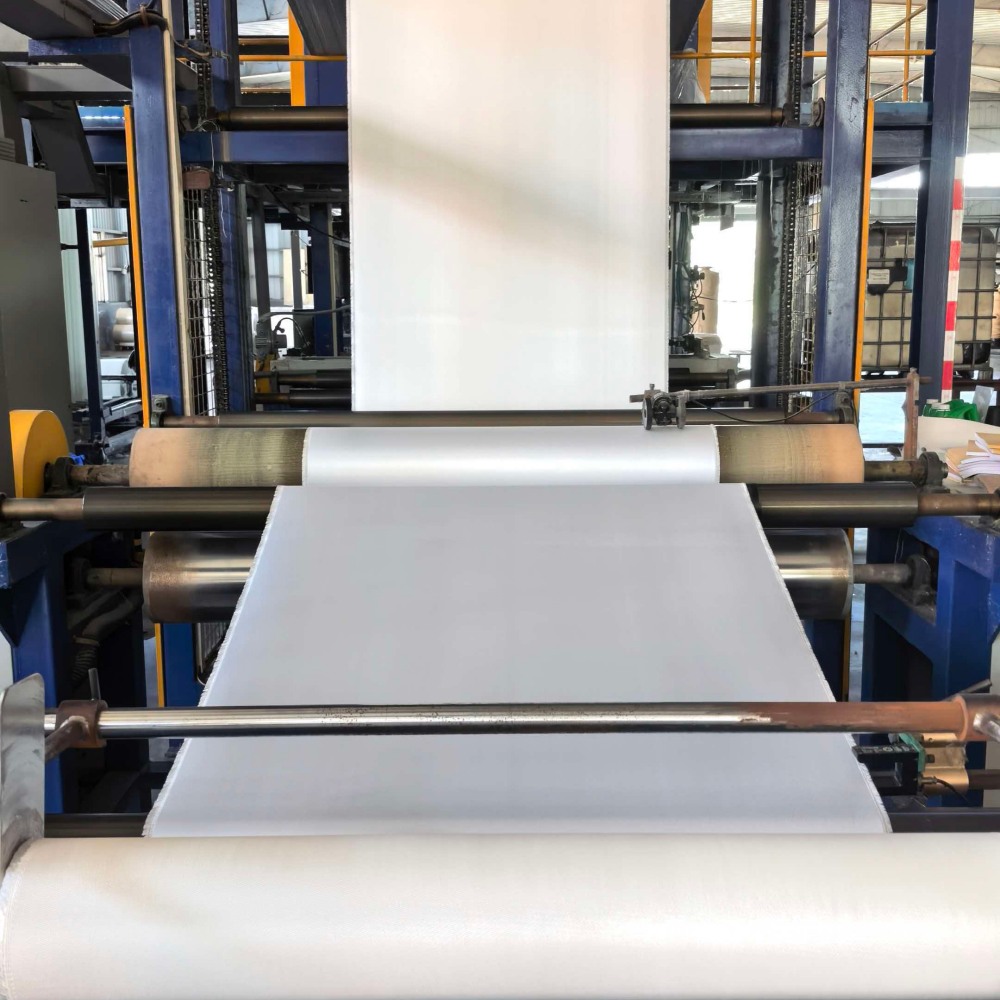
Silica fabric is produced from silica-rich fibers that are converted into yarn and woven into a flexible cloth.
The amount of silica in the fiber can vary according to the manufacturing process and intended operating temperature. Higher-silica grades are generally selected when greater thermal stability is required.
One widely used category is high silica fabric, which contains a high proportion of silicon dioxide and is designed for demanding thermal environments.
Unlike ordinary clothing textiles, silica fabric is engineered primarily around properties such as:
High-temperature resistance
Flame resistance
Thermal stability
Low heat transfer
Flexibility
Fabrication capability
Dimensional stability
Resistance to thermal cycling
These characteristics allow woven silica cloth to function as part of a thermal barrier without requiring the rigidity of refractory board or metal shielding.
For severe industrial applications, BSTFLEX supplies 96% High Temp Silica Fabric as well as 70% Woven Silica Fabric for applications with different thermal and economic requirements.
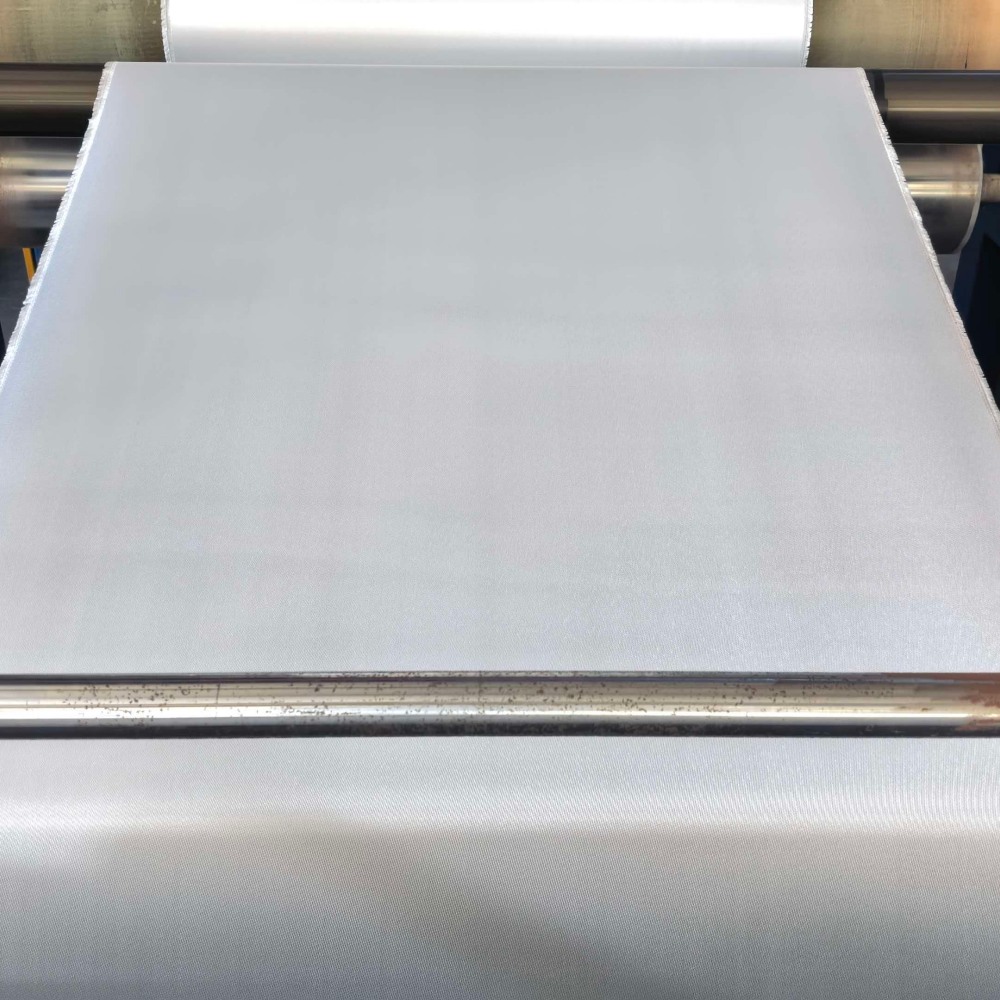
No. The two materials are related, but they should not automatically be treated as interchangeable.
Conventional fiberglass fabrics are commonly produced from E-glass or other glass compositions and are widely used for electrical insulation, thermal protection, composite reinforcement and industrial insulation.
High silica fabric is processed to achieve a significantly higher silica content.
This difference becomes increasingly important as operating temperature rises.
Standard fiberglass can be an effective material for many moderate-temperature applications, while high silica cloth is commonly specified where the fabric will experience substantially more severe thermal exposure.
For engineers, the correct comparison should therefore consider:
Continuous operating temperature
Peak temperature
Exposure time
Direct flame
Radiant heat
Mechanical loading
Required flexibility
Surface treatment
Installation method
Cost
Choosing silica fabric simply because it has a higher temperature rating is not always necessary. The material should correspond to the actual thermal environment.
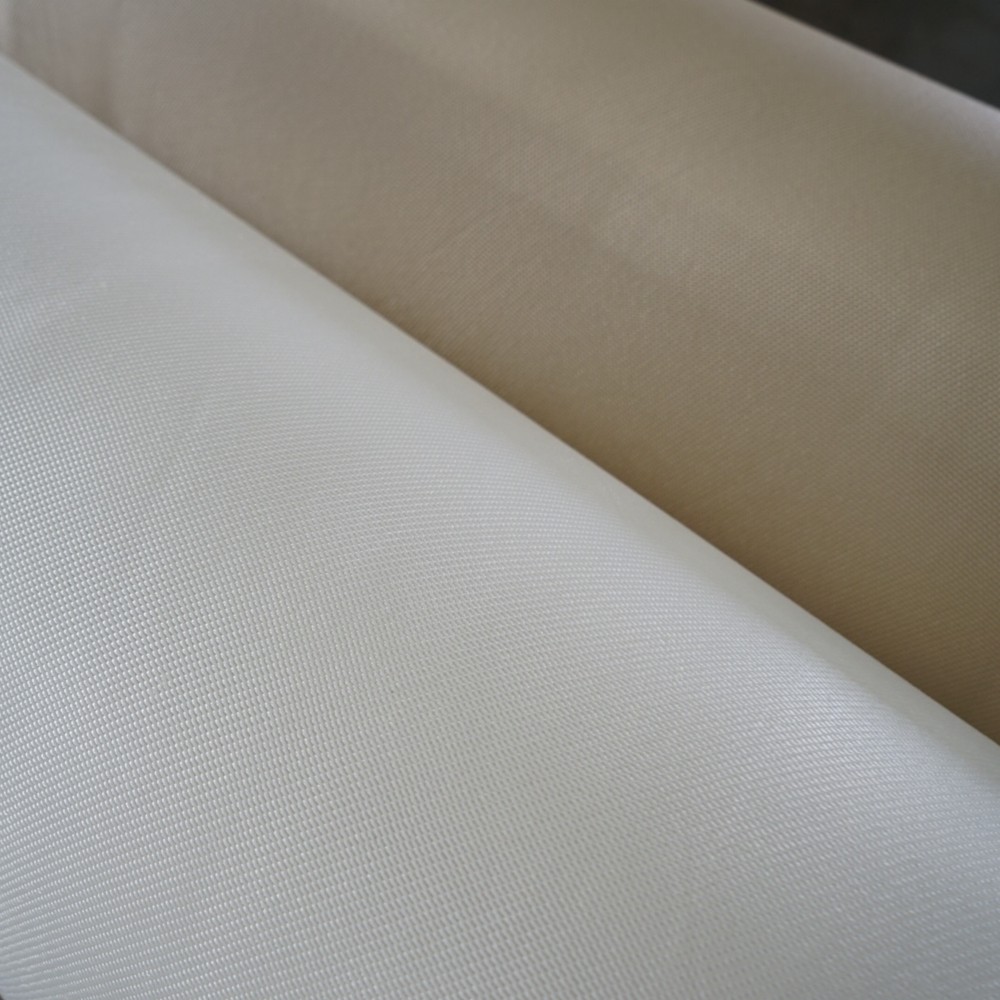
High silica fabric is a silica-rich woven textile used primarily for high-temperature insulation and fire protection.
It may appear in purchasing specifications under several names, including:
High silica cloth
High silica fabric cloth
High silica glass fabric
High silica glass fiber fabric
High silica fiberglass fabric
High silica fiberglass cloth
High purity silica fabric
High temperature silica fabric
High temp silica cloth
Although buyers may use these terms interchangeably, the actual material should always be checked according to silica content, fabric weight, thickness, weave and operating temperature.
For demanding heat protection, 96% High Temp Silica Fabric provides a high-purity woven construction suitable for severe thermal environments.
Where the operating conditions do not require a 96% grade, 70% Woven Silica Fabric provides another industrial option.
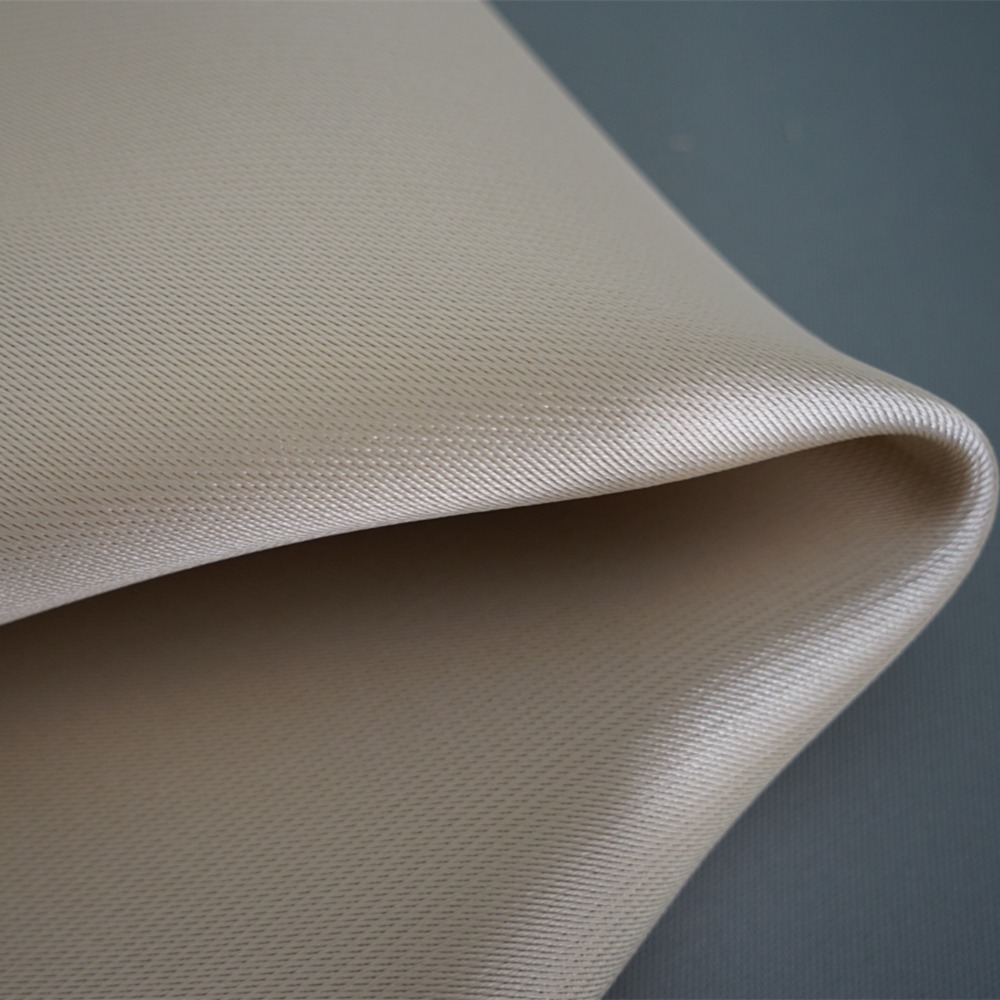
Silica fibers are converted into yarn and woven into a textile structure using controlled warp and weft arrangements.
The resulting woven construction provides several practical advantages.
First, it remains flexible.
The material can therefore conform around curved equipment, pipes and irregular surfaces.
Second, woven silica fabric can be fabricated using conventional textile techniques adapted for high-temperature materials.
It can be:
Cut
Sewn
Layered
Folded
Wrapped
Laminated
Coated
Combined with other insulation materials
Third, the weave provides sufficient mechanical integrity for the fabric to be handled during production and installation.
The exact weave density, yarn construction, fabric weight and thickness affect both mechanical behavior and thermal performance.
This is why two products both described as “silica cloth” may perform differently in the same application.
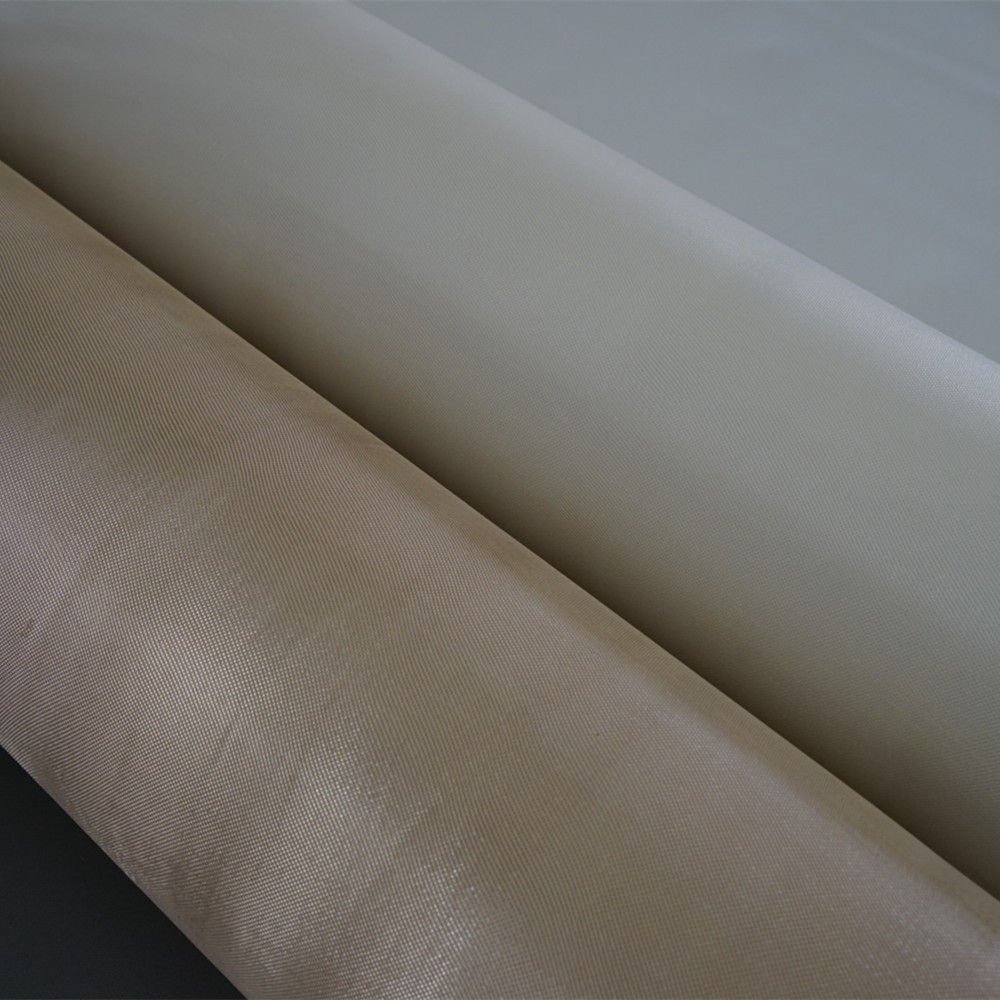
Industrial heat protection is rarely about preventing heat generation. The objective is usually to control how heat moves from the source to surrounding equipment, personnel or structures.
Silica fabric can contribute to this process in several ways.
Silica cloth creates a physical barrier between a heat source and the area requiring protection.
When used as part of a multi-layer insulation system, it can help reduce heat transfer to adjacent components.
High silica textiles are suitable for applications where fabrics may be exposed to sparks, flame or high-temperature gases.
This is one reason silica cloth is widely associated with welding blankets, fire curtains and industrial protective covers.
Rigid insulation cannot easily conform around every pipe, valve, exhaust component or machine enclosure.
Woven silica fabric can be shaped and fabricated around these geometries.
Silica cloth can be converted into finished products rather than used only as raw roll material.
Examples include:
Welding blankets
Fire curtains
Exhaust blankets
Insulation jackets
Heat shields
Protective covers
Thermal barriers
Expansion joints
This versatility is one of the principal reasons silica textile remains important in industrial thermal management.
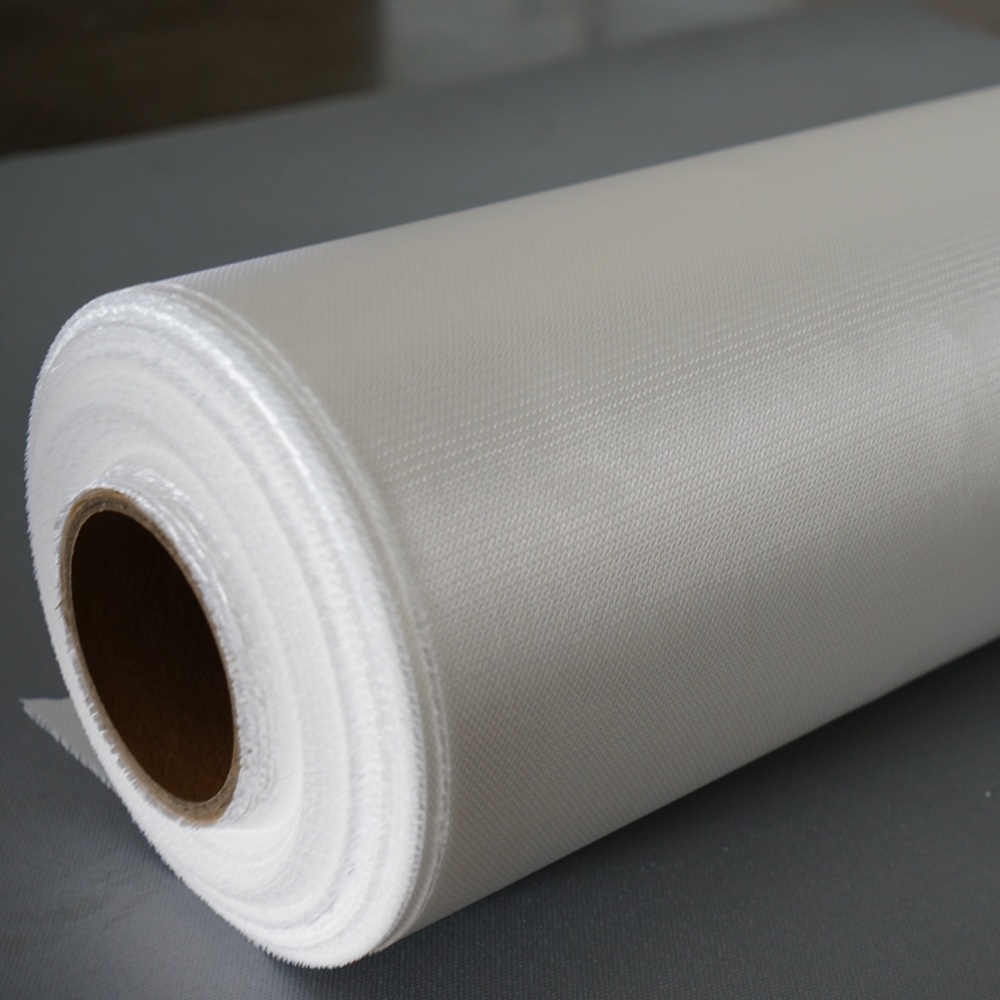
Silica fabric is used across industries where conventional textiles would deteriorate rapidly because of heat.
One of the most common uses of silica cloth is welding-area protection.
The material can be fabricated into:
Welding blankets
Welding curtains
Spark barriers
Welding screens
Equipment covers
The correct silica fabric depends on the welding process, orientation of the blanket, exposure distance and whether sparks, slag or molten metal are present.
For many general applications, 70% Woven Silica Fabric can be considered.
For more severe thermal environments, a higher-purity 96% High Temp Silica Fabric may be more appropriate.
Industrial furnaces generate both high ambient temperatures and strong radiant heat.
Silica textile can be used for:
Furnace curtains
Thermal barriers
Insulation facings
Flexible seals
Equipment protection
Removable covers
Woven silica fabric is particularly useful where the insulation system requires flexibility or periodic access.
Exhaust pipes, manifolds, turbochargers, silencers and engine components can create concentrated thermal zones.
Silica fabric may be incorporated into:
Exhaust insulation blankets
Exhaust pipe insulation
Removable thermal covers
Heat shield assemblies
Multi-layer exhaust insulation systems
The fabric can be cut and fabricated around shapes that are difficult to protect with rigid insulation.
Foundries expose nearby equipment and personnel to radiant heat, sparks and high-temperature surfaces.
High silica cloth can be used for:
Heat barriers
Protective curtains
Equipment screens
Thermal covers
Flexible insulation systems
Where mechanical wear is also a concern, a treated surface may provide advantages over untreated fabric.
BSTFLEX Vermiculite Coated Silica Cloth is intended for applications where the silica textile requires improved surface durability and abrasion resistance.
Industrial equipment often requires insulation that can be removed for maintenance.
Typical examples include:
Valves
Flanges
Pumps
Turbines
Exhaust components
Process equipment
Silica fabric can form part of the hot-face layer, outer textile layer or internal construction of a removable insulation system.
This allows insulation manufacturers to combine high-temperature performance with a flexible fabricated structure.
Silica fabric can be fabricated into flexible barriers used to separate hot-work areas from surrounding equipment.
Applications include:
Fire curtains
Welding curtains
Furnace curtains
Thermal screens
Equipment protection barriers
Different coatings can be selected according to the operating environment.
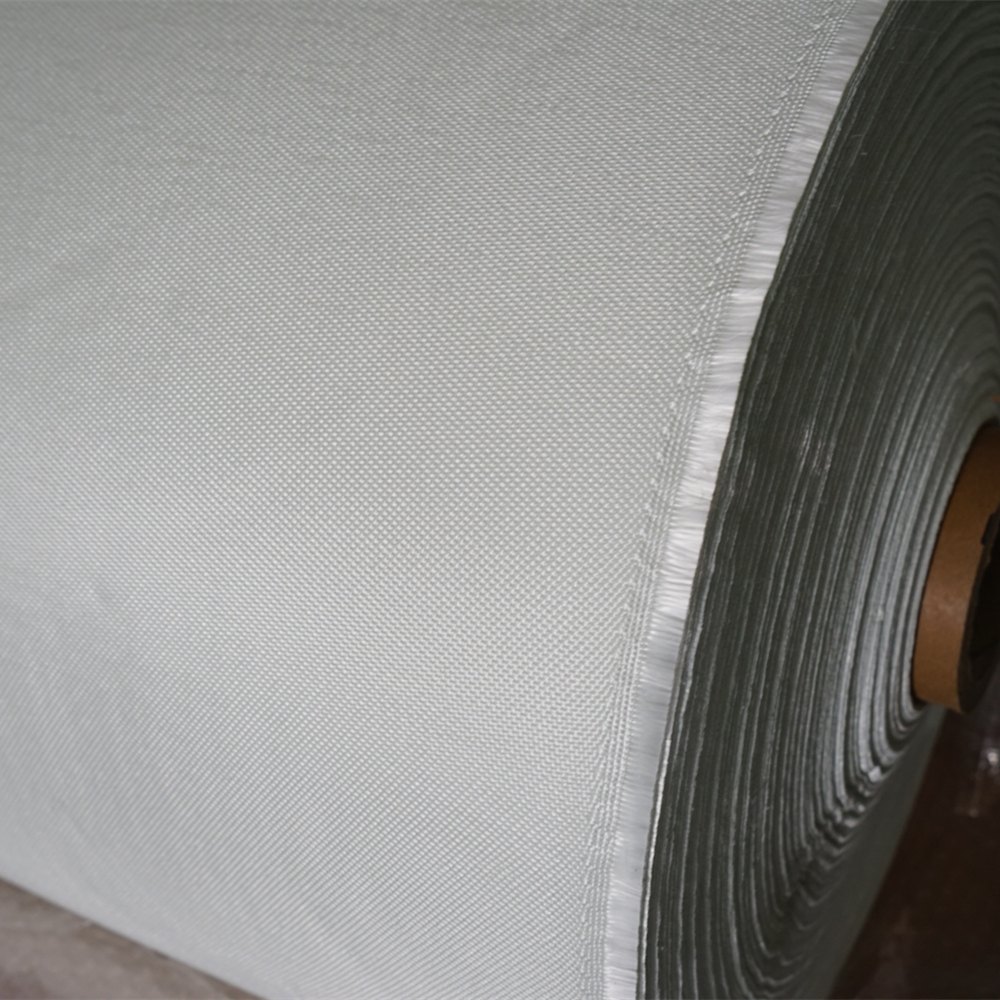
Plain woven silica fabric provides excellent thermal performance, but not every application requires an untreated surface.
Coatings and laminations can change how the textile interacts with heat, moisture, abrasion and adjacent components.
BSTFLEX supplies several treated silica fabric constructions for different thermal-management problems.
Silicone Rubber Coated High Silica Cloth combines a silica textile substrate with silicone rubber on one or both sides.
This construction is useful when the application requires a flexible coated fabric rather than an exposed woven surface.
Typical uses include:
Protective covers
Welding curtains
Flexible connectors
Insulation jackets
Expansion joints
Fabricated thermal barriers
The temperature capability of the silicone coating should always be evaluated separately from the high-temperature capability of the underlying silica fabric.
Some thermal problems are dominated by radiant heat rather than direct contact temperature.
In these situations, Aluminum Coated High Silica Fabric provides a reflective metallic surface combined with the flexibility of silica textile.
Typical applications include:
Radiant heat shields
Furnace barriers
Exhaust-area heat protection
Industrial equipment shielding
Thermal curtains
The aluminum surface is used primarily to manage radiant energy, while the silica substrate provides the high-temperature textile foundation.
Where repeated handling or abrasion is expected, a plain silica surface may not always provide the optimum service life.
Vermiculite Coated Silica Cloth uses a vermiculite treatment to improve the surface durability of the woven textile.
It is commonly considered for:
Welding protection
Insulation jackets
Expansion joints
Thermal curtains
Fabricated heat barriers
The coating does not simply make the product another version of ordinary silica fabric. It changes the way the surface performs under mechanical exposure.
Some applications require a high-temperature textile to remain in position during installation or fabrication.
High Temperature Silica Fabric with Adhesive Backing provides a pressure-sensitive backing that simplifies positioning.
Potential applications include:
Thermal barrier assembly
Heat shield fabrication
Equipment insulation
Irregular cut pieces
Installation aids
The adhesive and the silica textile have different temperature capabilities, so the service temperature of the complete construction must be evaluated rather than relying only on the base fabric temperature.
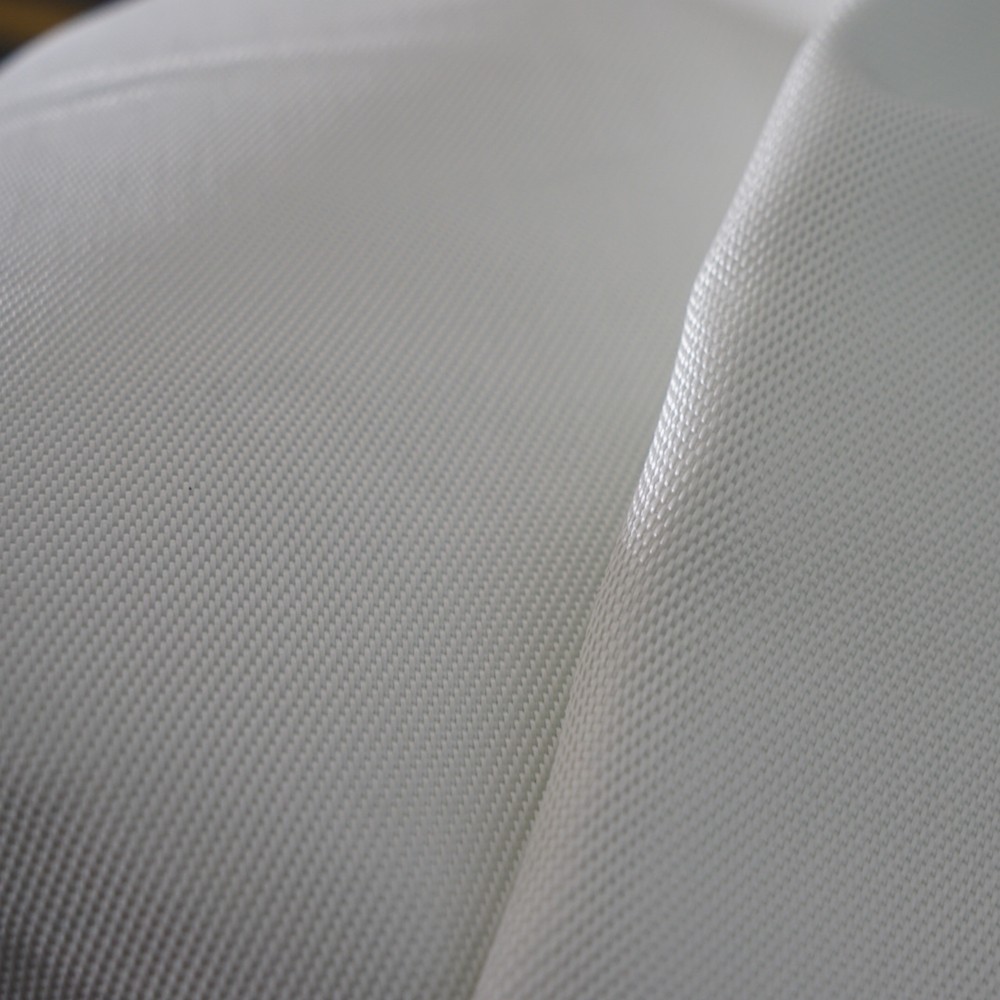
The best silica textile cannot be selected from the material name alone.
A useful specification should start with the actual operating conditions.
Determine the normal temperature the fabric will experience during service.
This is more useful than selecting material only according to the highest theoretical temperature it can survive.
Some systems experience short-duration temperature spikes considerably above their normal operating range.
Both values should be supplied when selecting a fabric.
Determine whether the primary exposure is:
Direct contact heat
Radiant heat
Flame
Hot gases
Sparks
Slag
Heated equipment surfaces
For example, an aluminum-coated construction may be appropriate for radiant heat while a plain high silica fabric may be selected for a different thermal load.
Consider whether the textile will be:
Stationary
Frequently handled
Flexed
Rubbed against equipment
Exposed to vibration
Removed repeatedly
Mechanical conditions can influence whether a coated or untreated fabric is more suitable.
Determine whether the material will be:
Used directly from a roll
Cut into sheets
Sewn into blankets
Wrapped around equipment
Laminated
Bonded
Integrated into a multi-layer insulation system
The construction method can be just as important as temperature resistance.
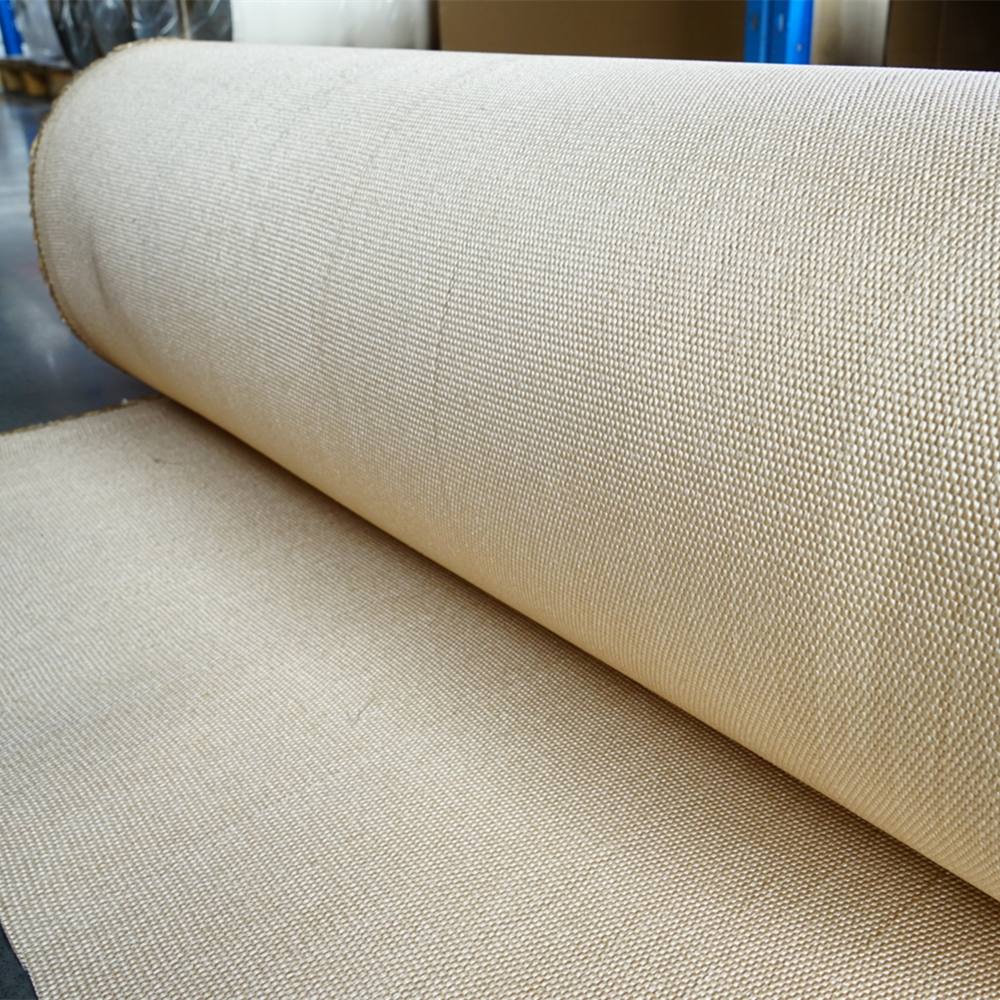
The choice between 70% and 96% silica material should be made according to the actual thermal requirement.
A 70% construction can provide an economical solution where the operating temperature falls within its intended range.
A 96% high silica fabric provides additional thermal capability for more severe environments.
The higher-silica option is therefore not automatically the best material for every project.
Using a material significantly beyond the required performance level can increase cost without improving the finished system.
A better specification balances:
temperature + exposure duration + mechanical conditions + fabrication + cost.
For demanding applications, see 96% High Temp Silica Fabric.
For lower-temperature industrial protection, see 70% Woven Silica Fabric.
No.
Although the terminology can overlap in online searches, high silica fabric and alumina silica cloth are not the same material family.
High silica fabric is based on silica-rich fibers.
Alumina-silica textiles are generally associated with aluminosilicate ceramic fiber materials.
The distinction matters because the fibers, mechanical properties, temperature behavior and handling characteristics differ.
Buyers looking for alumina silica cloth should therefore evaluate ceramic fiber textiles separately instead of assuming that every silica-containing high-temperature fabric is equivalent.
For an industrial quotation, providing the following information helps identify a suitable material more quickly:
Application
Continuous operating temperature
Maximum temperature
Heat source
Required fabric weight
Required thickness
Width
Roll length
Coating or surface treatment
Adhesive requirement
Expected mechanical exposure
Required quantity
Annual demand
Drawing or sample where applicable
For OEM or custom projects, application information is particularly useful because the final material may require a different weave, weight, surface treatment or fabrication method from a standard roll product.
BSTFLEX supplies several silica textile constructions for different industrial thermal requirements.
For severe high-temperature service:
96% High Temp Silica Fabric
For general industrial high-temperature protection:
70% Woven Silica Fabric
For a flexible silicone-treated surface:
Silicone Rubber Coated High Silica Cloth
For radiant heat reflection:
Aluminum Coated High Silica Fabric
For improved surface durability:
Vermiculite Coated Silica Cloth
For easier positioning during installation:
High Temperature Silica Fabric with Adhesive Backing
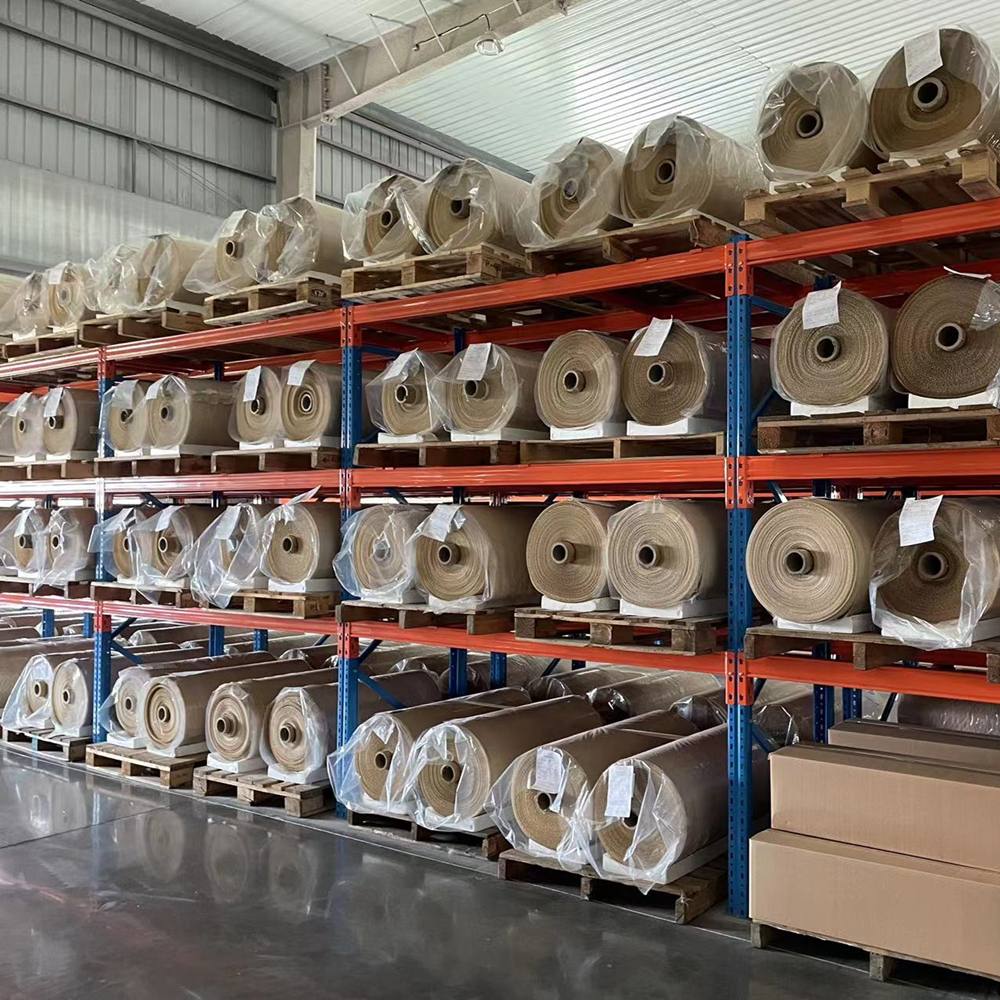
Silica fabric is a woven high-temperature textile produced from silica-rich fibers. It is used where flexible thermal insulation, flame protection or high-temperature barriers are required.
Silica cloth is commonly used for welding blankets, fire curtains, furnace barriers, exhaust insulation, removable insulation covers, foundry protection, thermal screens and other industrial heat-control applications.
High silica fabric is designed for high-temperature and flame-exposure environments. The suitability of a particular fabric depends on silica content, construction, thickness, exposure duration and any coating or laminate applied to it.
Yes. Flexibility is one of the main advantages of woven silica textiles. They can be cut, folded, wrapped and sewn into finished thermal protection products.
Yes. Welding blankets and curtains are major applications for silica fabric. The required silica grade depends on the welding process and severity of exposure.
Yes. High-temperature silica cloth can be incorporated into exhaust blankets, pipe insulation, heat shields and removable thermal covers.
High purity silica fabric is a woven textile containing a high proportion of silica and intended for more severe thermal environments than conventional fiberglass fabrics.
Woven silica fabric is produced by interlacing silica yarns into a flexible textile structure. The weave gives the material sufficient strength for cutting, sewing, wrapping and industrial fabrication.
Yes. Depending on the application, silica fabric can be supplied with silicone coating, aluminum treatment, vermiculite treatment or pressure-sensitive adhesive backing.
No. Material selection should match the actual operating environment. A lower-temperature grade may provide better project economics when the application does not require the thermal capability of a high-purity silica fabric.
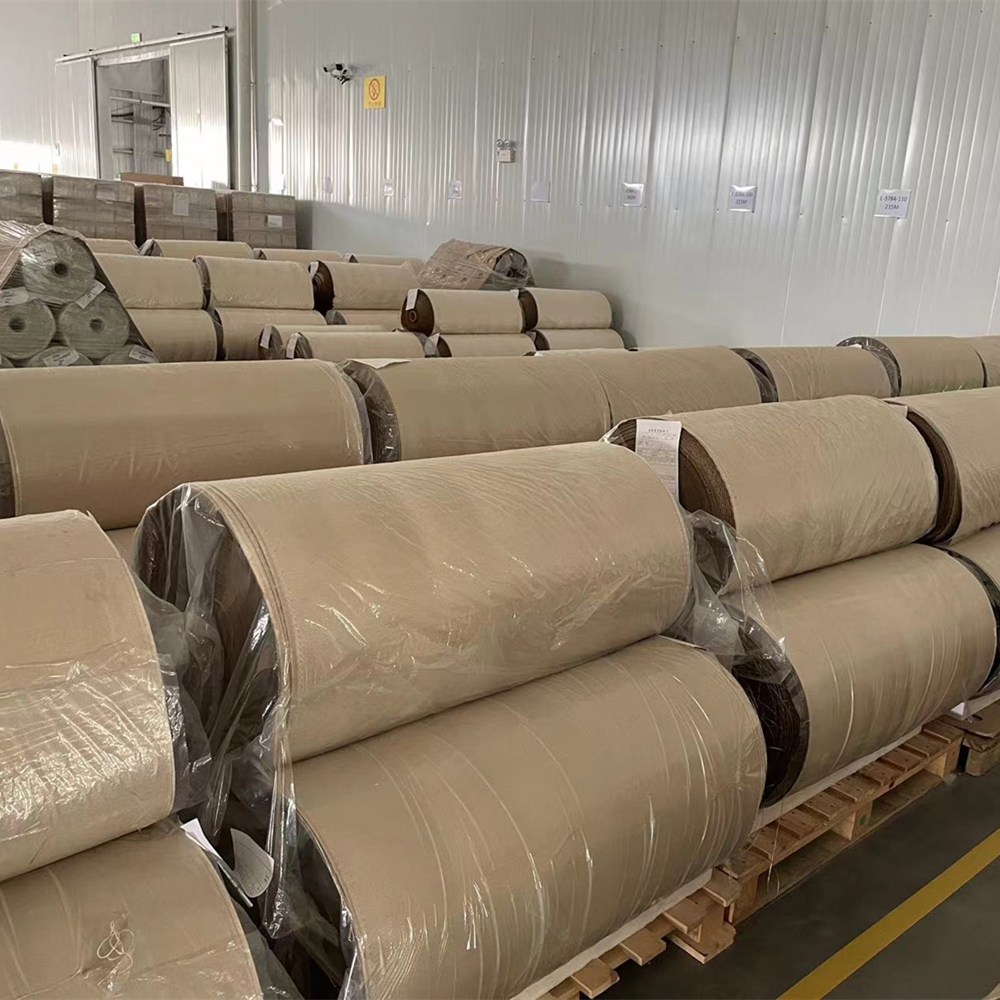 Silica Fabric for Industrial and OEM Applications
Silica fabric should be specified as an engineering textile rather than purchased only according to a generic temperature rating.
Silica content, weave, thickness, weight, coating, mechanical conditions and installation method all influence the performance of the finished thermal protection system.
BSTFLEX supplies plain and specially treated silica textiles for industrial insulation manufacturers, welding protection suppliers, heat shield fabricators, equipment manufacturers and OEM thermal-management projects.
For material selection or quotation, provide the operating temperature, heat source, required dimensions, surface treatment, fabrication requirements and estimated quantity.
Request a silica fabric recommendation or quotation from BSTFLEX for your industrial heat-protection project.

 français
 Deutsch
 русский
 italiano
 español
 português
 Nederlands
 العربية
 日本語
日本語 한국의
한국의 Türkçe
 Polski
 Tiếng Việt
 slovenský
 Indonesia