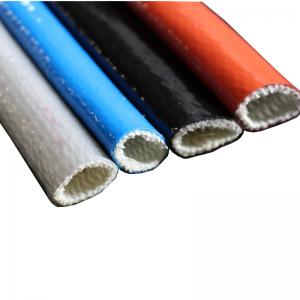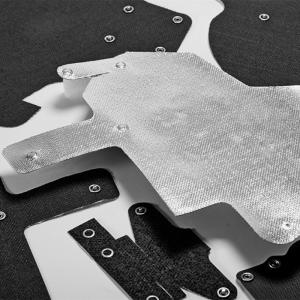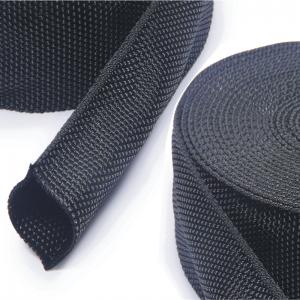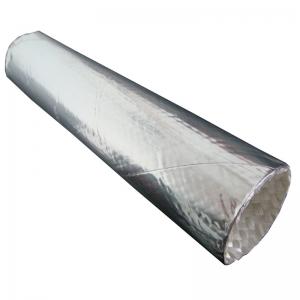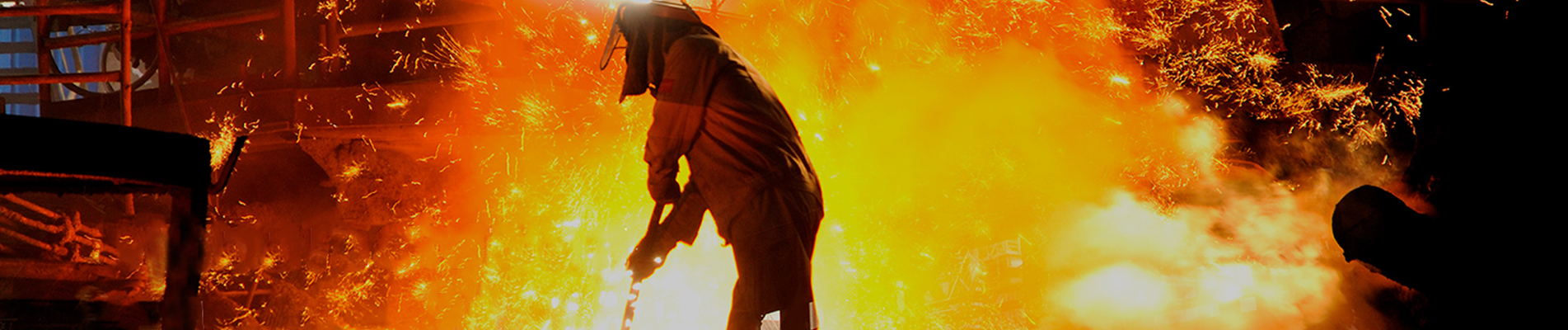
Vermiculite coated fiberglass fabric and silicone coated fiberglass fabric use a woven fiberglass base, but their surface treatments are designed for different operating priorities. Vermiculite provides a dry mineral-treated surface for severe heat, sparks, flame contact and hot abrasion. Silicone provides a flexible rubber-coated surface for moisture, oil, weather exposure, repeated handling and fabrication.
The correct choice therefore depends on more than the highest temperature printed in a product table. Buyers should identify the temperature at the fabric, the type of heat exposure, environmental conditions, required flexibility and the position of the material within the finished assembly.
BSTFLEX supplies both Vermiculite Coated Fiberglass Fabric and Silicone Coated Fiberglass Fabric for industrial insulation, welding protection, expansion joints and custom thermal-protection fabrication.
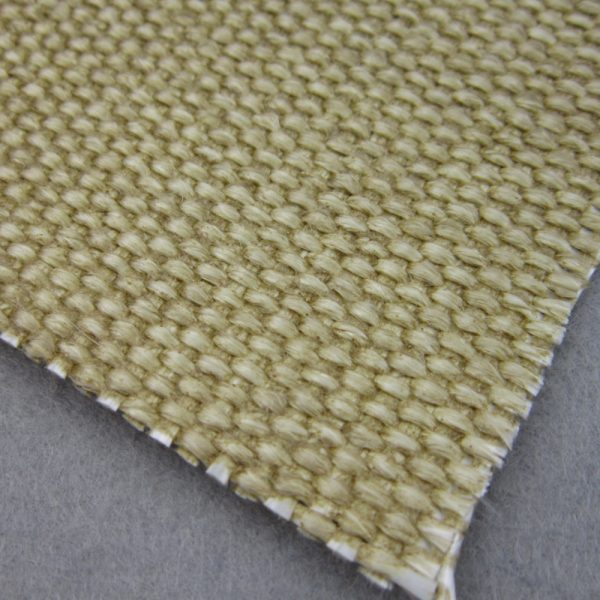
Choose vermiculite coated fiberglass fabric when the primary requirement is resistance to higher temperatures, direct heat, welding sparks, furnace exposure or hot abrasion.
Choose silicone coated fiberglass fabric when the primary requirement is a flexible, coated surface with improved resistance to moisture, oil, weathering, repeated folding and routine industrial handling.
In a multilayer product, the two materials may perform different functions. A removable insulation jacket, for example, may use a higher-temperature fabric toward the hot equipment and silicone coated fiberglass as the external protective cover.
| Selection factor | Vermiculite coated fiberglass | Silicone coated fiberglass |
|---|---|---|
| Surface treatment | Dry mineral-based vermiculite treatment | Flexible silicone rubber coating |
| Primary selection reason | Severe heat, sparks, flame contact and hot abrasion | Moisture, oil, weathering, flexibility and handling durability |
| BSTFLEX published temperature guidance | Up to 815°C / 1500°F depending on exposure and application conditions | Up to 300°C continuous and 350°C short term, depending on grade and conditions |
| Typical surface character | Dry mineral-treated finish | Smoother rubber-coated finish |
| Common welding use | Welding blankets, furnace curtains, spark and hot-particle barriers | Selected welding curtains, blankets and barriers where flexibility and surface durability are important |
| Common insulation use | Hot-side layers, furnace insulation, pipe wrapping and severe thermal barriers | Outer covers for removable insulation jackets and equipment covers |
| Outdoor exposure | Requires application-specific evaluation and complete assembly protection | Generally preferred where a silicone-coated weather-resistant outer surface is required |
| Coating configurations | Specified by fabric grade, weight and treatment | Available with silicone on one side or both sides |
| Expansion-joint role | Possible thermal-protection layer in a qualified construction | Possible flexible or external protective layer in a qualified construction |
The table compares the current BSTFLEX product families. It should not be used to assign the same temperature or performance to every vermiculite-treated or silicone-coated fabric in the market.
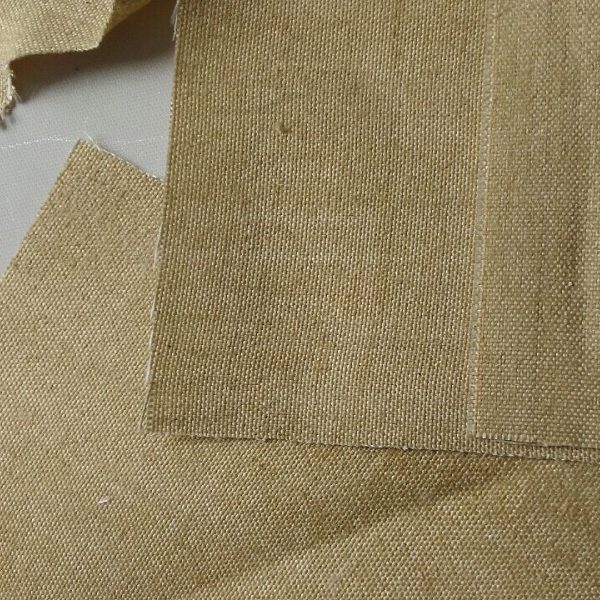
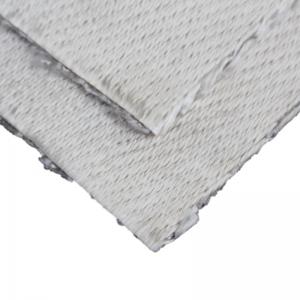
Vermiculite coated fiberglass fabric is woven E-glass cloth treated with a mineral vermiculite dispersion. The treatment forms a dry protective surface over the glass yarns and improves performance under severe heat, flame contact and abrasion compared with untreated fiberglass fabric.
BSTFLEX supplies this fabric in standard thicknesses from approximately 0.8 mm to 3.0 mm. Typical applications include welding blankets, furnace curtains, pipe wrapping, expansion joints, removable insulation covers and industrial heat shields.
Its main strength is high-temperature thermal protection. It is normally evaluated when the fabric will be closer to a severe heat source or where sparks, hot particles and surface abrasion are more important than weatherproofing.
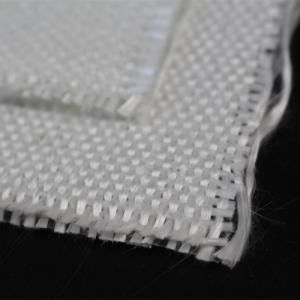
Silicone coated fiberglass fabric is woven E-glass cloth coated with silicone rubber on one side or both sides. The fiberglass substrate provides reinforcement and thermal stability, while the silicone surface improves flexibility, abrasion resistance, moisture resistance, oil resistance and outdoor durability.
It is commonly used for removable insulation-jacket covers, valve and flange covers, flexible connectors, expansion-joint layers, equipment covers and selected welding-protection products.
Its main strength is the combination of a flexible textile reinforcement with a durable coated surface. It is normally evaluated where the fabric will be repeatedly handled, folded, exposed to weather or used as the external layer of an insulation assembly.
The current BSTFLEX vermiculite coated fiberglass product is published for high-temperature applications up to 815°C / 1500°F depending on exposure time and operating conditions. The BSTFLEX silicone coated construction is published up to 300°C continuous and 350°C short term depending on specification and exposure conditions.
These values show why vermiculite-coated material is generally evaluated first for more severe direct thermal exposure. However, the comparison still requires context.
For a removable insulation cover, equipment may operate above the allowable temperature of the silicone outer fabric while the insulation core keeps the exterior layer within its approved range. For a fabric touching a hot pipe directly, the material at that contact point must be rated for the actual surface temperature.
Vermiculite coated fiberglass is normally the stronger candidate when the fabric must face severe heat, flame contact, welding sparks or hot abrasion. Its mineral-treated surface is intended for thermal-protection duties such as welding blankets and furnace-area curtains.
Silicone coated fiberglass can also be fabricated into welding curtains, spark barriers and protective blankets. It is useful where flexibility, abrasion resistance and a durable coated surface are important. It should not automatically be selected for heavy slag or severe molten-metal exposure simply because the base cloth is fiberglass.
For hot-work protection, define whether the fabric will hang vertically or lie horizontally. A vertical curtain often allows particles to fall away. A horizontal blanket can retain hot spatter or slag, increasing local contact time and thermal loading.
Buyers should also distinguish between sparks, welding spatter, hot slag, molten-metal splash and radiant heat. A continuous-temperature value alone cannot qualify a blanket for every one of these hazards.
Finished protection products can be reviewed in the Welding & Soldering Area Protection range.
Silicone coated fiberglass is generally the preferred starting point when the external surface must resist moisture, weathering, oil contamination and repeated cleaning or handling. This is one reason it is widely used as the outer cover of removable insulation jackets.
Vermiculite coated fiberglass has a dry mineral surface and should not be treated as a substitute for a silicone weather-facing cover. Where it is used in an outdoor assembly, the complete construction must protect the insulation system from water entry through seams, openings and closures.
Neither material name establishes compatibility with every industrial fluid. The buyer should identify the actual oil, solvent, cleaning chemical or process contaminant, together with its concentration, temperature and contact duration.
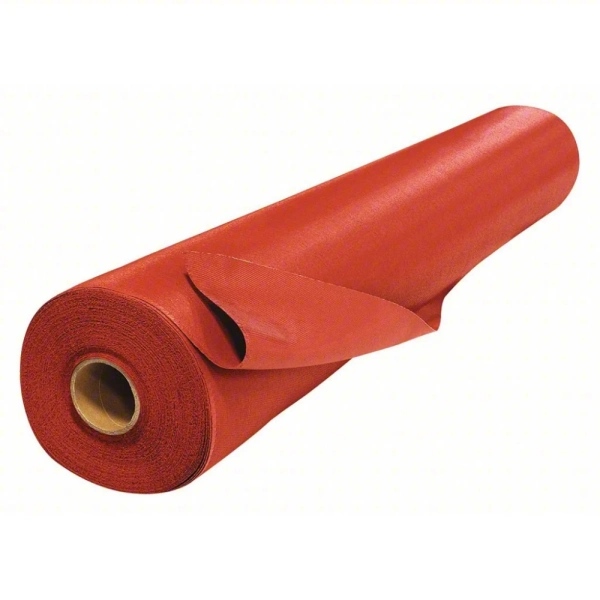
Silicone coating provides a smoother, more flexible surface that is well suited to products opened, removed and reinstalled during maintenance. Typical examples include valve covers, flange covers, turbine blankets and removable pipe-insulation jackets.
Vermiculite coated fabric remains flexible enough for wrapping, cutting and sewing, but its mineral-treated surface is selected primarily for thermal resistance rather than for a rubber-like handling surface.
For frequently handled products, evaluate a representative sewn sample instead of approving material from a flat swatch. The sample should use the intended thread, seams, fastening system, insulation core and reinforcement patches.
For the external cover of a removable insulation jacket, silicone coated fiberglass is usually the first material to evaluate. It provides a flexible surface with improved resistance to moisture, oil, abrasion and repeated handling.
Vermiculite coated fiberglass may be considered for an inner layer, hot-face liner or another position exposed to higher temperature. Its suitability depends on the temperature at that layer, the equipment surface, mechanical contact and the complete jacket design.
A single removable jacket can therefore use both materials:
| Jacket position | Possible material role |
|---|---|
| Equipment-facing or higher-temperature layer | Vermiculite coated fiberglass or another qualified high-temperature textile |
| Insulation core | Selected thermal-insulation material and thickness |
| External protective cover | Silicone coated fiberglass where the outer-layer temperature remains within its rating |
| Seams and closures | Thread, fasteners and reinforcement selected for their own exposure |
See the Removable Insulation Blankets category for finished custom covers.
There is no universal answer because a fabric expansion joint is a multilayer assembly. Temperature, pressure, movement, gas composition, condensation, weather exposure and the position of each fabric layer determine the material selection.
Silicone coated fiberglass may be used as a flexible layer or external cover when its temperature and chemical limits are suitable. Its coated surface can provide useful weather and handling characteristics.
Vermiculite coated fiberglass may be used as a thermal-protection layer where the priority is severe heat rather than weather sealing. It should not automatically be treated as the gas-tight or chemically resistant barrier of the joint.
Neither roll fabric alone establishes the pressure rating, movement capacity or leakage performance of the complete connector. Review the full layer construction, seams, clamping system, flow liner and insulation arrangement.
For fabricated assemblies, see the Non-Metallic Fabric Expansion Joint product page.
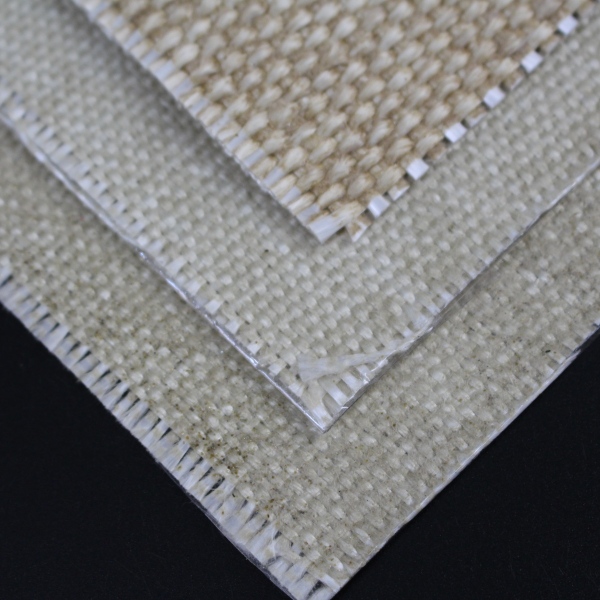
Vermiculite coated fiberglass is normally the first of these two materials to evaluate for furnace curtains, kiln barriers and severe high-temperature area protection. Its dry mineral-treated surface is intended for higher thermal exposure and hot abrasion.
Silicone coated fiberglass may still be useful in a cooler external location, a flexible enclosure or another part of the system where environmental resistance and handling are more important than direct furnace heat.
If the fabric itself must remain continuously above the practical range of the selected vermiculite fiberglass grade, evaluate a higher-temperature material such as 96% High Temperature Silica Fabric or a suitable ceramic-fiber textile.
For direct wrapping around a hot pipe, vermiculite coated fiberglass is generally the more appropriate starting point of these two materials because of its higher published thermal capability. The actual pipe-surface temperature, contact pressure and insulation design must still be checked.
Silicone coated fiberglass is more commonly considered as an external cover over insulation where the temperature reaching the coated surface remains within the selected grade's limit. Its moisture-resistant surface can be useful in that outer position.
Do not place silicone coated fiberglass directly against a hot pipe merely because the underlying fiberglass can tolerate a higher temperature. The silicone surface is part of the finished product and governs the allowable exposure of that construction.
Silicone coated fiberglass is commonly evaluated for flexible connectors and duct connections where temperature is within the product limit and repeated flexing, weathering or surface durability is important.
Vermiculite coated fiberglass may be incorporated where higher-temperature protection is required, but the designer must determine which layer provides flexibility, thermal protection, gas containment and environmental protection.
For any connector, provide positive pressure, negative pressure, gas composition, movement, cycling frequency and installation geometry. A coating comparison cannot replace an assembly-level review.
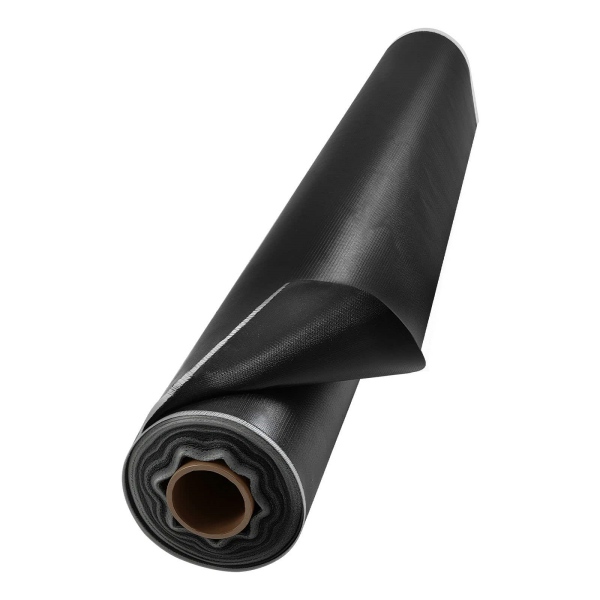
Silicone coated fiberglass is available with coating on one side or both sides. Single-side coating can be considered where only one face needs the silicone surface. Double-side coating can be considered where both faces require coated-surface protection.
Double-side coating does not automatically increase the temperature rating. Buyers should request:
Vermiculite fabric should likewise be specified by its base construction, treatment, finished weight, thickness and required performance rather than only by the word "vermiculite."
Not automatically. A change from vermiculite coated fiberglass to silicone coated fiberglass changes the surface chemistry, temperature capability, environmental behavior and likely role within the assembly.
A change in the opposite direction also requires review. Vermiculite treatment may provide higher-temperature protection, but it does not reproduce the moisture, oil, weather and repeated-handling characteristics expected from a silicone-coated outer surface.
Before approving a substitution, compare:
| Application | First material to evaluate | Reason |
|---|---|---|
| High-temperature welding blanket | Vermiculite coated fiberglass | Higher heat, spark and hot-abrasion duty |
| General welding curtain requiring a durable coated surface | Application dependent | Compare exposure severity, orientation and handling requirements |
| Furnace or kiln curtain | Vermiculite coated fiberglass | Severe thermal exposure |
| Outdoor removable insulation-jacket cover | Silicone coated fiberglass | Moisture, weather, flexibility and handling |
| Hot-side insulation-jacket liner | Vermiculite coated fiberglass or higher-temperature textile | Temperature at the equipment-facing layer |
| Direct hot-pipe wrapping | Vermiculite coated fiberglass | Higher-temperature contact duty |
| External cover over insulated pipe | Silicone coated fiberglass | Environmental protection where surface temperature is controlled |
| Flexible duct connector | Silicone coated fiberglass | Flexing and coated-surface durability within temperature limits |
| Fabric expansion joint | Layer dependent | May require different fabrics for heat, sealing and weather exposure |
A useful inquiry should describe the application rather than requesting only "high-temperature coated fiberglass cloth."
| RFQ information | What to provide |
|---|---|
| Supply scope | Roll fabric, cut panels, sewn component or complete assembly |
| Application | Welding blanket, insulation jacket, pipe wrap, furnace curtain, connector or expansion joint |
| Temperature | Normal temperature at the fabric, peak temperature, duration and frequency |
| Heat exposure | Radiant heat, direct contact, flame, sparks, spatter, slag or hot gas |
| Environment | Indoor or outdoor, moisture, oil, chemicals, dust and abrasion |
| Mechanical duty | Folding, movement, vibration, pressure and expected handling cycles |
| Fabric specification | Base construction, coating type, coating sides, thickness, weight and usable width |
| Fabrication | Thread, seams, closures, eyelets, reinforcement and finished dimensions |
| Documentation | Required data sheet, inspection record, tests or customer specification |
Where an existing material failed, include photographs and describe the damage location. Surface hardening, coating loss, local burn-through, water entry and seam tearing point to different causes and should not all be addressed by increasing thickness.
For the current BSTFLEX product specifications, the vermiculite coated fabric has a substantially higher published temperature range. The exact selection still depends on the temperature at the fabric, exposure duration, heat type and required retained properties.
Vermiculite coated fiberglass is normally the first material to evaluate for higher-temperature welding protection, sparks and hot abrasion. Silicone coated fiberglass can suit selected curtains and blankets where exposure is less severe and flexibility or coated-surface durability is important.
Silicone coated fiberglass is usually preferred for the external cover because of its moisture, oil, weather and handling properties. Vermiculite coated fiberglass may be used in a hotter internal layer when the complete jacket design requires it.
It should not be specified as a waterproof substitute for a silicone-coated outer fabric. Water resistance of a finished cover also depends on seams, openings, closures and the complete assembly design.
Suitability depends on the exact grade and exposure. Conventional silicone coated fiberglass should not be assumed suitable for the same severe direct heat or flame conditions as a qualified vermiculite-treated or higher-temperature fabric.
Yes. A multilayer insulation cover or expansion joint may use different fabrics for the hot side, insulation retention, gas sealing and external protection. Each layer should be selected for the conditions at its own location.
No. Greater thickness can change durability, thermal mass, flexibility and fabrication behavior, but it does not automatically create a higher continuous-temperature rating. Compare the complete grade and application requirements.
Choose Vermiculite Coated Fiberglass Fabric when severe heat, sparks, welding exposure or hot abrasion is the main requirement. Choose Silicone Coated Fiberglass Fabric when moisture, oil, weather resistance, flexibility and repeated handling are the main requirements.
For applications involving several of these conditions, send BSTFLEX the temperature at each fabric layer, exposure type, required dimensions, quantity and finished-product drawing. The materials can then be evaluated as part of the complete thermal-protection assembly.
Review additional options in the High Temperature Fabric range or contact BSTFLEX for material selection, samples and quotation support.

 français
 Deutsch
 русский
 italiano
 español
 português
 Nederlands
 العربية
 日本語
日本語 한국의
한국의 Türkçe
 Polski
 Tiếng Việt
 slovenský
 Indonesia